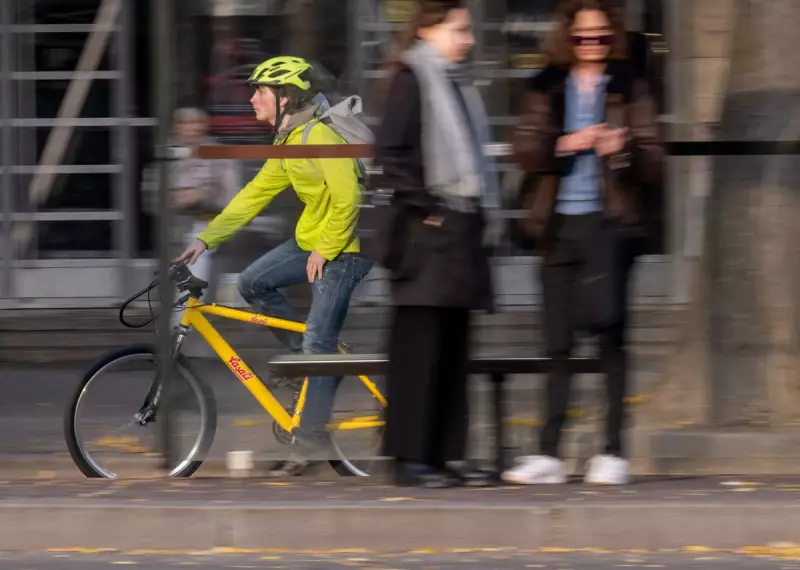
Slovakia has passed a new law that will impose a strict speed limit on pavement users, including cyclists, skateboarders, and e-scooter riders, drawing widespread criticism and online mockery. The legislation, which comes into effect on 1 January 2026, sets a maximum speed of just 6km/h for those sharing footpaths with pedestrians.
New Rules and Potential Fines
The Slovakian parliament approved the measure with the stated aim of improving pedestrian safety. Under the new rules, users of "roller blades, kick scooters, skateboards and similar sport equipment" as well as cyclists permitted on pavements—such as children under ten and accompanying adults—must adhere to the slow pace. Those caught exceeding the 6km/h limit could face fines of up to 100 euros (approximately £85).
However, a significant point of contention is how the law will be enforced. The interior ministry has not yet clarified how police will monitor speeds on pavements once the legislation is active.

Public Backlash and Practical Concerns
The law has been met with derision from cycling advocates and safety groups. Dan Kollar, president of the cycling advocacy group Cyklokoalicia, labelled the law "nonsensical" and argued the changes were not justified "in any way".
Kollar highlighted a major practical flaw, stating, "At such a low speed, it's hard to maintain balance and even three- to four-year-old children on bikes routinely exceed it." He expressed concern that the legislation effectively criminalises young children, creating a situation "where children will break the law every day, and we'll teach them it's OK."
The group Concerned Mothers has also joined the opposition, formally asking the country's president not to sign the law into effect.
Safety Statistics and Political Context
Official police statistics indicate that last year, 67 pedestrians and 22 cyclists or scooter riders died in traffic accidents within Slovakia. However, police do not separately record how many of these incidents occurred on pavements, making it difficult to assess the specific problem the new law aims to solve.
This legislation arrives amidst a wave of other legislative changes passed by the government of nationalist Prime Minister Robert Fico, who took office in 2023. His administration has already amended the constitution and criminal code, moves that have previously sparked public protests.