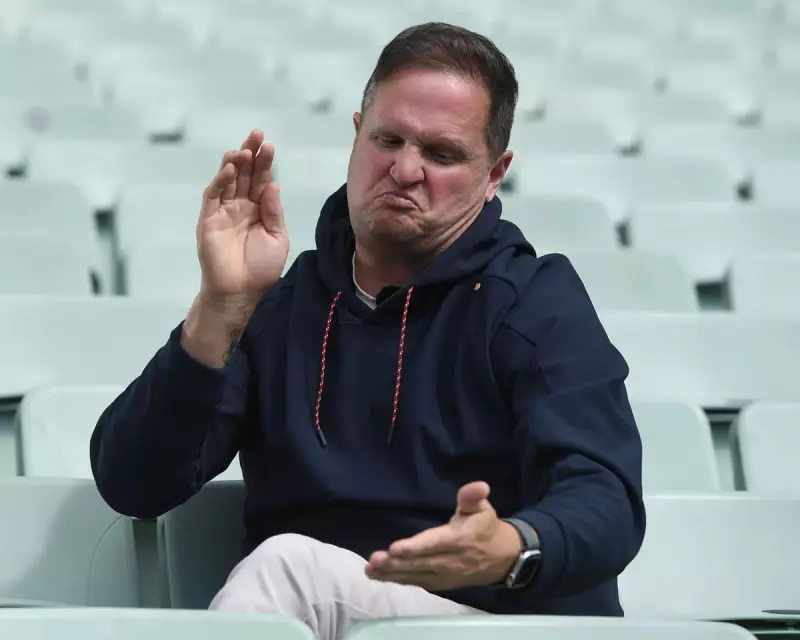
England's managing director of men's cricket, Rob Key, has delivered a post-mortem of the failed Ashes tour that has drawn comparisons to the fictional rock band Spinal Tap for its perceived lack of substance and detail.
A Performance Light on Detail
Speaking from the Melbourne Cricket Ground, Key offered a review that many observers felt failed to address the fundamental structural issues within the system he oversees. The session was characterised by evasive language and a notable reluctance to discuss the 'nuts and bolts' of England's preparation and performance. Analysts noted the presentation seemed to confuse the roles of broadcaster and administrator, with Key appearing to comment on a collapse he himself presided over.
The Noosa Interlude and a 'Seriously Under-Briefed' MD
A significant point of contention was Key's handling of questions regarding the mid-series break taken by players in Noosa. He came across as seriously under-briefed on the details of the trip, a fact seen as symptomatic of a setup that operates without rigorous attention to particulars. While stating he would investigate the matter, this pledge inadvertently created a new headline – 'England Investigate Noosa Trip' – adding another layer of narrative to a tour already mired in failure.
Key, a known non-drinker, expressed a personal view that athletes should not be 'boozing', yet seemed unclear on the specifics of who authorised what during the break. This episode highlighted a pattern of what critics called slackness and 'winging it' at the administrative level.
Spinal Tap Parallels and Systemic Failure
The hour-long briefing was peppered with hesitant language, including 131 'you knows', 76 'I thinks', and 20 'probablys' or 'maybes'. This linguistic prevarication, combined with a steadfast refusal to critique the overarching structure, painted a picture of an administrator embodying the limits of the system that appointed him. The analysis suggested the England and Wales Cricket Board had hired 'a broadcaster' to explain a failure, creating a circular logic where Key was the perfect person to explain the mistakes of Key.
There was resolute backing for head coach Brendon McCullum, with Key adamant the coach could not be held responsible for players being ill-prepared for Australian conditions. He defended the 'Bazball' philosophy of focusing on the 'top two inches' (mental approach), even as the tour's results suggested a glaring lack of tactical and technical readiness.
On a rare point of detail, Key did push back on criticism of his pre-Ashes comments dismissing medium-paced bowling, arguing that Australia's Michael Neser and Scott Boland proved terrifyingly effective by hitting the pitch hard, even at modest speeds. This moment showed a media-savvy awareness of online discourse, but stood in stark contrast to the broader vagueness.
Admissions of Fault and a Glimpse of Reality
Buried within the performance were some genuine admissions. Key conceded that the setup had not got the most out of the players available and had not given them the best chance to succeed, particularly in Perth. He also acknowledged the touring party might have been 'a bit too stripped back' in terms of specialist support staff, a nod to the 38-person huddle seen at Lord's.
Ultimately, the review concluded that the failure was not solely Key's doing, but a symptom of a system that appoints 'non-details' men to manage a highly detailed performance environment and expects that to be sufficient. The event served as a metaphor for a governing body that values presentation over process, leaving fundamental questions about England's Test cricket future unanswered. The stage is set for a similar script to unfold in another four years.