Trump Declines to Apologise Following Racist Obama Video Controversy
Former US President Donald Trump has firmly refused to issue an apology after a deeply controversial video was posted on his Truth Social platform, depicting Barack and Michelle Obama as apes. The incident has ignited fierce condemnation across the political spectrum and raised serious questions about accountability within Trump's circle.
Video Shared and Swiftly Removed Amid Outrage
The offensive two-second clip appeared towards the conclusion of a longer video that propagated debunked claims about the 2020 presidential election. Set to the tune of The Lion Sleeps Tonight, the segment showed the Obamas portrayed as apes bobbing up and down. Initially, the White House defended the post, with press secretary Karoline Leavitt dismissing criticism as "fake outrage" and claiming it was part of an internet meme depicting Trump as the "King of the Jungle."
However, approximately twelve hours after its initial sharing, the post was deleted. A White House official subsequently stated that a staff member had "erroneously made the post," which was then taken down. This explanation has been met with widespread scepticism from political opponents and commentators alike.

Trump's Defiant Response and Lack of Contrition
While travelling aboard Air Force One, Trump addressed the growing backlash. He stated that "of course" he condemned the racist elements of the video but explicitly told journalists he would not be apologising. Furthermore, he declined to comment on whether the staffer responsible for posting the video would face termination.
"No, I didn't make a mistake," Trump asserted. "I looked at the beginning of it. It was fine... I looked in the first part and it was really about voter fraud in, and the machines, how crooked it is, how disgusting it is. Then I gave it to the people. Generally, they'd look at the whole thing. But I guess somebody didn't, and they posted. We took it down as soon as we found out about it."
Widespread Political Condemnation and Calls for Denunciation
The video provoked immediate and severe criticism from prominent Democratic figures. Vice President Kamala Harris, Trump's rival in the 2024 election, dismissed the White House's explanation, stating: "No one believes this cover-up from the White House, especially since they originally defended the post. We are all clear-eyed about who Donald Trump is and what he believes."
California Governor Gavin Newsom took to social media to accuse the president of "disgusting behaviour" and issued a direct challenge: "Every single Republican must denounce this. Now." Senate Democratic leader Chuck Schumer described the content as "Racist. Vile. Abhorrent," questioning where Senate Republicans stood on the issue and urging Trump to apologise to the "two great Americans."
Criticism also came from former Obama administration officials. Ben Rhodes, who served as deputy national security adviser, labelled Trump "a stain on our history," while George Conway highlighted previous writings describing the former president as a racist. The group Republicans Against Trump succinctly commented: "There's no bottom."
Historical Context of Trump's Attacks on Obama
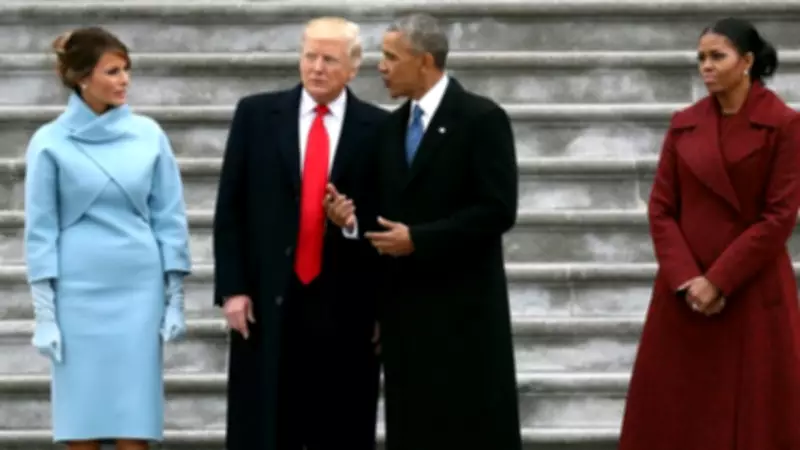
This incident is not an isolated event but fits into a long pattern of Trump targeting his predecessor. Most notably, Trump was a vocal proponent of the "birther" conspiracy theory, which falsely claimed Barack Obama was not born in the United States and was therefore ineligible for the presidency. Although Trump eventually publicly accepted Obama's Hawaiian birth in 2016, after the release of the long-form birth certificate in 2011, the recent video controversy underscores the enduring and racially charged nature of these attacks.
The fallout from this episode continues to resonate, highlighting deep political divisions and raising fundamental questions about the normalisation of racist imagery in political discourse. The refusal to apologise has only intensified the debate surrounding accountability and the boundaries of acceptable political communication.