The Day Cricket Was Rattled by Metal
When 12-year-old Brendan Foster arrived at Perth's WACA Ground in 1979, he anticipated witnessing Australian fast bowler Dennis Lillee's fiery pace. Instead, he became part of cricket history as Lillee strode to the crease wielding something that would cause uproar - an aluminium bat.
The first Test between Australia and England in December 1979 was part of a hastily arranged three-match series. This came after Cricket Australia's compromise with media mogul Kerry Packer, granting him television rights in exchange for disbanding his revolutionary World Series Cricket. England agreed to participate under two strict conditions: the Ashes weren't contested, and coloured uniforms wouldn't be worn.
The Combat Bat That Caused Chaos
As Lillee resumed his innings on the second morning, neither spectators nor English players initially noticed anything unusual about his equipment. The aluminium 'Combat' bat, designed by Lillee's business partner Graeme Monaghan, had been previously questioned by both the Western Australian Cricket Board and Australian captain Greg Chappell.

Cricket folklore suggests teammate Rod Marsh encouraged Lillee to use the metal blade, though Lillee later admitted in his autobiography 'Menace' that the entire incident was a carefully orchestrated publicity stunt. The first indication of trouble came when Ian Botham delivery produced a resounding 'clunk' rather than the familiar wooden thwack.
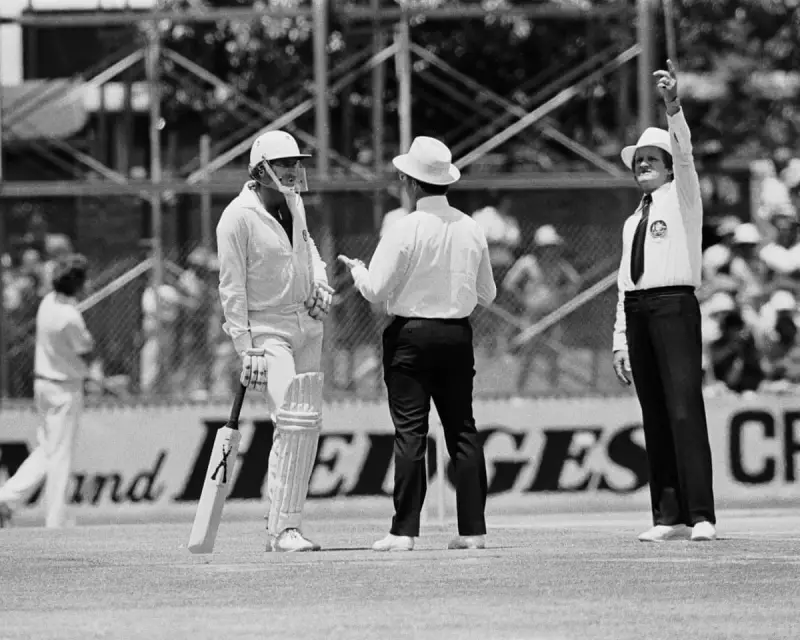
England captain Mike Brearley immediately complained to umpires Max O'Connell and Don Weser that the unconventional bat was damaging the ball. Meanwhile, Lillee leaned casually on his metal blade, helmet askew and shirt unbuttoned, appearing like a welder on break.
Confrontation and Resolution
The WACA crowd initially responded with confusion and hostility. For young Foster, the atmosphere turned frightening as moustachioed spectators resembled characters from spaghetti westerns. The situation might have escalated dangerously had it occurred later in the day when spectators had consumed more Swan Lager.
Umpires instructed Lillee to replace the bat, but the recalcitrant paceman refused. After ten tense minutes, Greg Chappell marched onto the field carrying three traditional willow bats, forcing Lillee to reluctantly surrender his metal weapon, which he hurled away in disgust.
Cricket commentators later speculated that Chappell allowed the drama to continue precisely to fire up his star bowler. The tactic proved effective - when Lillee later took the ball, he demolished England's top order, dismissing openers Geoff Boycott and Derek Randall for ducks.
The hostile crowd atmosphere transformed into celebratory chanting as shirtless fans roared Lillee's name like a deity. Australia ultimately won the match by 138 runs, with particular satisfaction coming from seeing Boycott stranded on 99 in England's second innings.
For young Foster, this dramatic Test match represented finding his tribe and understanding cricket's fierce competitiveness. He attended every subsequent Ashes Test in Perth except 2017, when the historic WACA Ground hosted England for the final time. The bat itself became cricket legend, preserved in the Bradman Museum while the memories endure for those who witnessed this extraordinary chapter in Ashes history.