England's Cricket Leadership Under Fire After Ashes Debacle
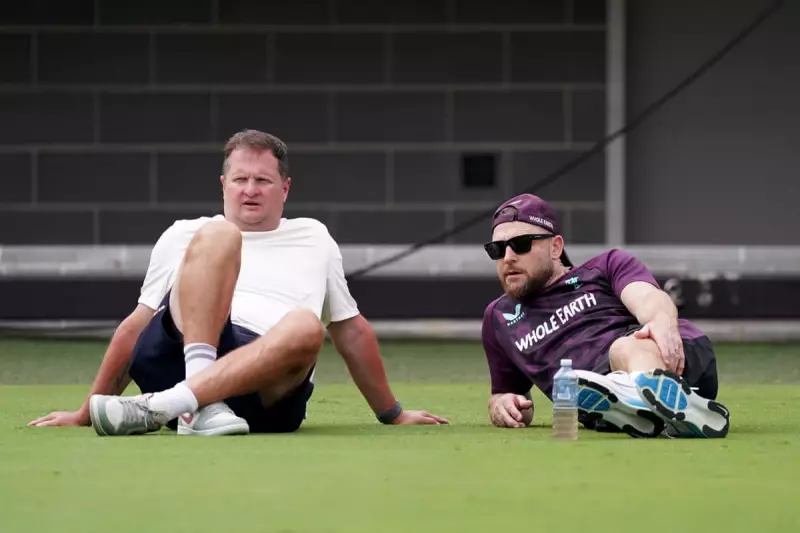
Rob Key, England's managing director, and Brendon McCullum, the head coach, are grappling with the aftermath of a devastating Ashes series defeat. The pair face mounting pressure as they attempt to steer the national team forward amidst a wave of criticism and introspection. This situation highlights deeper structural problems within English cricket, mirroring broader societal issues in the country.
The Immediate Fallout and Ongoing Challenges
Despite the crushing loss in Australia, the relentless schedule of international cricket offers little respite. A white-ball series in Sri Lanka is imminent, with McCullum retaining his coaching role, Key continuing as managing director, and Harry Brook leading as captain. Zak Crawley's return to the 50-over side, despite not featuring in the format for over a year, underscores the peculiar dynamics at play. The circus, as it were, marches on without pause, leaving wounds unhealed.
Financial considerations loom large in this context. McCullum's contract extends to the 2027 Ashes, with termination costs reportedly exceeding £1 million. This economic reality may influence his steadfast public stance, reflecting a landscape where franchise cricket's allure and a shortage of elite coaches bolster his position. Losing in Australia is not uncommon—it has afflicted many teams, barring exceptional squads like certain Indian or South African sides. Yet, England's campaign was marked by a carelessness that felt particularly galling, sparking a fierce backlash from fans and pundits alike.

Examining the Bazball Philosophy and Its Limitations
The Bazball era, born from a desire to revitalise a team battered by Covid-19 and declining interest, championed a bold, aggressive approach. It initially brought success, but the Ashes exposed its flaws. When a team is built on a culture of minimal consequences, as critics argue, it risks unraveling under pressure. The reckless shots and lax preparation witnessed in Australia seemed almost inevitable, given the philosophy's emphasis on freedom over discipline.
This raises fundamental questions: can such a style thrive in modern cricket, dominated by franchise leagues and financial imperatives? The grassroots of English cricket tell a troubling story. Of the current under-19 World Cup squad, only four players did not come through private schools, where resources like turf pitches and qualified coaches are abundant. Meanwhile, promised funding from the government has failed to materialise, and the sale of Hundred franchises has not alleviated financial strains, as seen with Sussex's recent troubles.
Broader Implications for English Cricket and Society
English cricket serves as a metaphor for the nation itself—hollowed out, with disparities between elite institutions and neglected communities. The sport reflects a society of VIP privileges and struggling high streets, where public engagement wanes. As people tune out, living paycheck to paycheck, the cricket team's struggles resonate beyond the boundary.
Ultimately, the debate is not merely about whether Key, McCullum, or Ben Stokes are the best individuals for their roles, but whether they are the right fit for this moment. In a results-driven business, ignoring outcomes can only last so long. Yet, if facing the truth is too painful, perhaps maintaining the illusion offers temporary solace. As the travelling circus continues, one thing is clear: a country ultimately gets the cricket team it deserves, for better or worse.