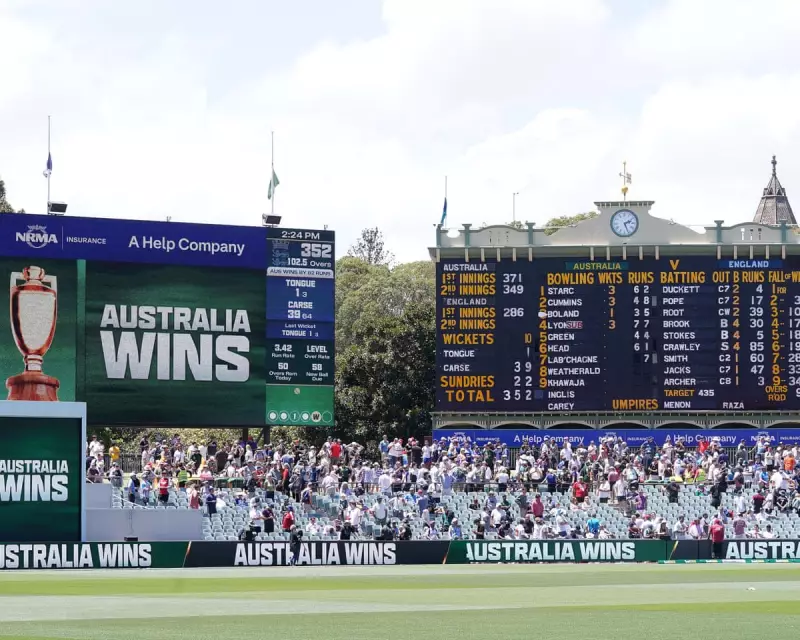
The England and Wales Cricket Board (ECB) is set for another bout of soul-searching following the Ashes tour, but its capacity to enact meaningful change appears severely limited. The governing body, which will convene next month to review the series, has seen its control over the sport's governance and operations diminish, leaving it with few levers to pull to arrest a recurring cycle of heavy defeats in Australia.
A History of Reviews with Limited Impact
Over the past two decades, the ECB has tried multiple avenues to address England's struggles down under, with the notable exception of Andrew Strauss's victorious 2010-11 campaign. In 2007, it commissioned an external inquiry led by Ken Schofield, formerly of golf's European Tour. His review produced 19 recommendations, 17 of which the ECB endorsed. Key outcomes included creating the role of director of cricket and establishing full-time selectors, changes credited with helping England recover from a whitewash to win in Australia four years later.
More recently, Strauss himself led a high-performance review in 2022. This was more streamlined but proved less effective, as the counties rejected its core proposals. These included reducing the County Championship and creating a six-team top division designed to better prepare players for Australian conditions. Following the latest Ashes defeat, Strauss took to LinkedIn to argue that systemic change, not just swapping coaches and captains, is essential to break the "depressingly one-sided story."

Power Ceded Upwards and Downwards
The ECB's current predicament stems from a significant loss of control. Structural authority has been ceded both above and below the national board. A pivotal moment was the £520 million sale of a 51% stake in the eight Hundred franchises this summer. This deal has an unintended consequence: for the first time since central contracts began in 2000, England's management will not have the power to withdraw players from the franchise competition next year. This could directly impact preparation for a Test series, such as one against Pakistan starting just two days after the Hundred final.
Furthermore, the ECB has handed responsibility for shaping the domestic schedule to the counties themselves. Despite the board and the Professional Cricketers' Association favouring a streamlined season closer to Australia's Sheffield Shield model—10 four-day games plus a final—the county chairs have resisted. After the Strauss review was rebuffed, the ECB tasked the counties' Professional Game Board with proposing new schedules. All five options were rejected, meaning the County Championship will remain at 14 matches next season, mostly crammed into the season's margins.
A Constitutional Impasse and a Glimmer of Leverage
For now, meaningful structural change appears off the table unless the ECB amends its own constitution to reclaim control. This would require a vote from its 41 members, including the 18 first-class counties, the MCC, the Minor Counties Association, and recreational boards. Such a move is not without precedent; it was achieved to create the Hundred in 2017. The ECB's control over the distribution of hundreds of millions in revenue gives it considerable leverage in any such negotiation.
The central dilemma remains unchanged. As Strauss identified years ago, deep reform of the domestic structure is required to fix the cycle of Ashes losses. Yet, with power fragmented, the ECB's scope for action is currently restricted to the more superficial changes of personnel, leaving the root causes of England's Australian woes unaddressed.