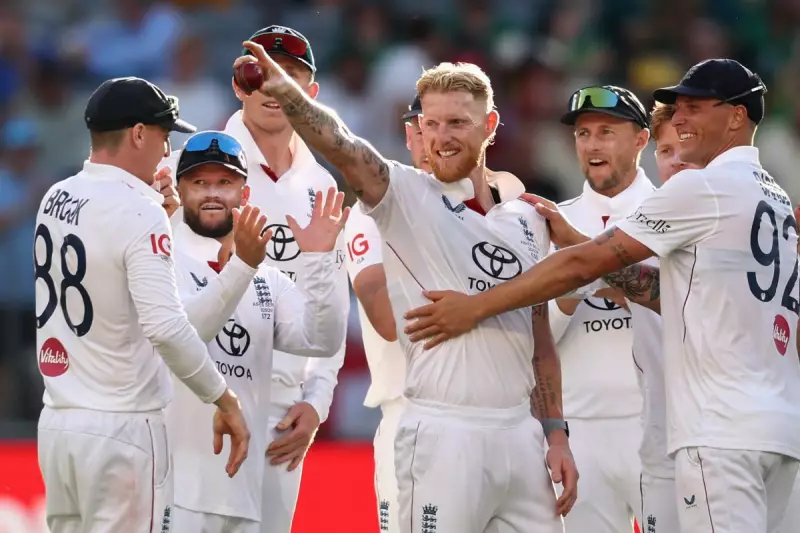
Traditional British sports are enjoying a significant resurgence, with cricket and rugby union surging into the nation's top 10 most popular activities, according to new research. The findings from the latest EY-Parthenon Sports Engagement Index offer a tonic for established games, highlighting a broadening landscape of fan interest across the United Kingdom.
Top 10 Shake-Up: Hiking Climbs, Traditional Sports Return
The 2025 index reveals a notable reshuffle in the nation's sporting preferences. Football, Formula 1, swimming, and tennis remain unchallenged in the top four positions. However, hiking has made a significant leap to claim fifth place, overtaking running and athletics.
The most dramatic moves came from cricket and rugby union. Cricket climbed an impressive six places to secure eighth position, while rugby union jumped three spots to enter the top 10 at number ten. Boxing, which dropped one place to ninth, sits between them in the ranking.

Simon Mantell of EY commented on the shift: "While football, Formula 1 and swimming remain dominant, the rise of hiking and the resurgence of sports like cricket, rugby and golf signal a broadening definition of engagement."
Digital Drives Growth: Basketball and Youth Engagement
Beyond the top 10, the report identified basketball as the highest climber overall. The sport soared seven places to rank 13th, driven largely by its popularity with Generation Z. Mantell attributed this growth to digital content and live experiences, underlining the critical role of innovation in connecting with new fans.
Yoga also entered the rankings for the first time, appearing at 14th place, while darts completed the top 15 after rising two positions. The overall picture suggests organisations must adapt to diverse participation trends and evolving fan behaviours to maintain relevance.
Engagement Trends and Demographic Insights
The report noted that while overall engagement with sport dipped slightly from 90% to 88%, it remains robust—a trend potentially bolstered by the draw of the Olympic Games. A significant gender gap was observed among younger adults: 92% of men aged 18-24 engaged with sport often or very often, compared to 77% of women in the same age group.
The study suggests this disparity may stem from stronger grassroots programmes and greater television coverage dedicated to men's sports. However, the gap narrows across all age demographics, indicating a more balanced engagement level over a lifetime.
These insights present a clear mandate for the sports industry. "These shifts show that sports organisations must embrace diversity in participation and engagement, invest in wellbeing-focused activities, and adapt to changing fan behaviours," Mantell concluded. "Those that fail to respond risk losing relevance in an increasingly competitive and inclusive sporting environment."