Zuffa Boxing's Ambitious Plans Face Scrutiny Over Fighter Treatment
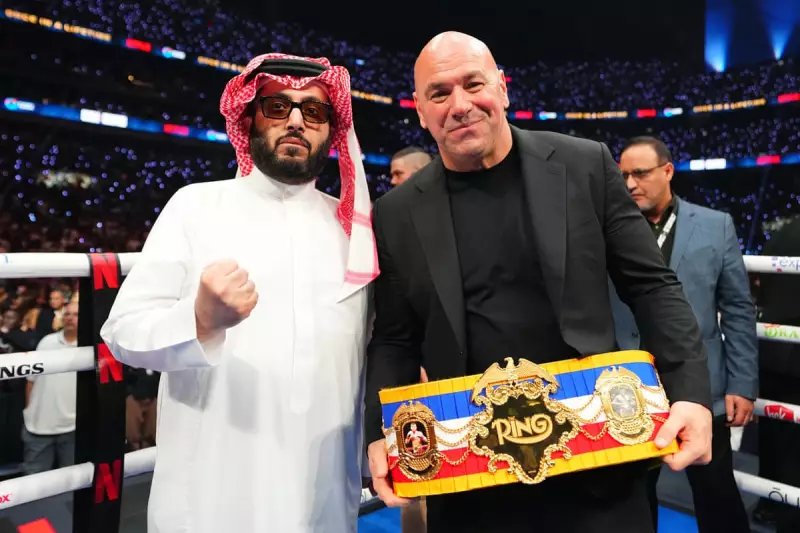
In a high-profile move that has sent shockwaves through the combat sports world, Zuffa Boxing has emerged as a new promotional force backed by TKO Group Holdings and Saudi Arabian interests. The venture, overseen by UFC president Dana White, aims to reshape professional boxing in the United States through a series of league fights and super-fights. However, beneath the glossy surface of this ambitious project lies a contentious reality that has fighters, promoters, and regulators deeply concerned about the future of the sport.
The Saudi-TKO Alliance and Legislative Push
Zuffa Boxing represents a joint venture between TKO Group Holdings, the Saudi Arabian General Entertainment Authority, and Sela, a live-experiences company owned by Saudi Arabia's Public Investment Fund. With Sela holding 60% ownership and TKO controlling 40%, the organisation has secured a substantial $100 million annual media rights deal with Paramount+ to broadcast 12 fight cards yearly starting in January 2026. This financial backing provides Zuffa with significant resources to implement its vision for boxing's future.
The organisation's plans, however, face a significant legal hurdle: they conflict with existing protections under the Professional Boxer Health and Safety Act and the Muhammad Ali Boxing Reform Act. These landmark pieces of legislation were specifically designed to prevent the exploitation of fighters by promoters and establish crucial safeguards. In response, Zuffa and its allies have launched an extensive lobbying campaign to amend the Ali Act, proposing the creation of "unified boxing organizations" (UBOs) that would operate under modified rules.
Controversial Contract Terms Revealed
Documents obtained by The Guardian reveal that Zuffa Boxing is offering fighters contracts containing numerous provisions that critics argue could significantly disadvantage athletes. These agreements, spanning over 30 pages of standard terms and conditions, grant Zuffa extensive control over fighters' careers and financial opportunities.
The contracts provide Zuffa with exclusive worldwide rights to promote all of a fighter's bouts during the contract term, while prohibiting participation in any other combat sports competitions. Perhaps most concerning is the provision allowing Zuffa to designate opponents, with fighter approval "not to be unreasonably withheld." If a fighter declines a proposed bout, it counts against Zuffa's obligation to offer fights that year, creating potential pressure to accept unfavourable matchups.
Additional concerning provisions include:
- Zuffa may declare its bout obligation satisfied without compensation if a fighter claims injury
- Extensive ancillary rights allowing Zuffa to use fighters' identities for broad promotional purposes
- Merchandise revenue splits as low as 15% of gross revenue for fighters
- Requirements for fighters to wear only Zuffa-approved equipment with Zuffa-controlled branding
- Mandatory promotional appearances without additional compensation beyond expenses
- Contract extension mechanisms that could prolong agreements well beyond initial terms
Legislative Changes and Industry Response
The proposed amendments to the Ali Act would fundamentally alter boxing's regulatory landscape by allowing UBOs like Zuffa Boxing to combine the roles of sanctioning body, promoter, manager, and ranking authority. This represents a dramatic departure from the original legislation's intent to create firewalls between these functions to prevent conflicts of interest.
Prominent figures within boxing have voiced strong opposition to these changes. Former champion Chris Algieri stated, "The Muhammad Ali Act does need changing. But it needs to be expanded and tightening up, not weakened in a way that will harm those who actually fight." Boxing legend Evander Holyfield added, "The loudest voices pushing for this rewrite aren't boxers but the promoters of mixed martial arts."
Oscar De La Hoya offered perhaps the most direct criticism, declaring, "The bill would allow promoter-controlled Unified Boxing Organizations to own rankings, titles and fighters essentially duplicating the UFC's single-entity model inside boxing. It would legalize the very conflicts of interest the original Ali Act was written to outlaw."
Early Events and Future Implications
Zuffa Boxing launched its Paramount+ series with "Zuffa Boxing 01" in January, featuring a main event between Callum Walsh and Carlos Ocampo that received mixed reviews. Despite Dana White's enthusiastic promotion of the event as "great," many observers noted the card's quality fell short of the standards set by Saudi-backed Riyadh Season events.
The organisation has shifted its focus from established stars to what it calls "exciting young prospects," but even this approach has drawn criticism from experienced promoters. Frank Warren, one of boxing's leading promoters, stated, "I'm still not putting any of my fighters in it. And if you're a responsible manager, you wouldn't put a young prospect in it. That's simply not how you build a prospect as an attraction or as a fighter."
As the legislative process continues, with the House of Representatives already moving the bill forward for a full vote, the boxing community faces a pivotal moment. The proposed changes could reshape the sport's economic structure, potentially concentrating power in ways that critics argue would disadvantage fighters in the long term. With Zuffa's substantial financial backing and aggressive expansion plans, the outcome of this legislative battle may determine whether boxing maintains its traditional promoter-fighter dynamics or transitions to a more centralized model similar to UFC's approach to mixed martial arts.