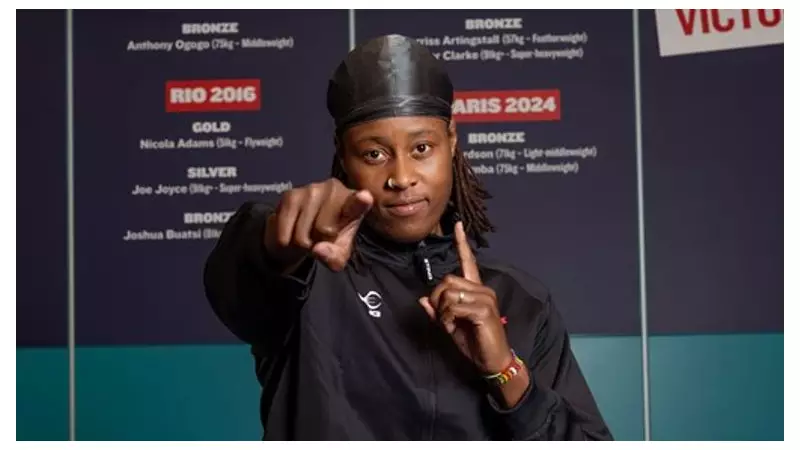
For those dreaming of a career change, the reality of life inside the ring might be more gruelling and less lucrative than imagined. This week, we speak to Grace Buckle, a three-time national amateur heavyweight champion for England, who pulls no punches about the sacrifices and rewards of her sport.
The Financial Jab: Sponsorship and Side Hustles
Contrary to popular belief, Grace Buckle does not get paid to box for England. As an amateur athlete, her income from the sport is minimal. Financial support comes from a Hurricane sponsorship, alongside backing from England Boxing and Sting Sports. However, the amounts can vary wildly.
"For amateur boxers with minimal virtual presence, it's usually anywhere between £500 and £2,000 a year," Buckle explains. This sum, or its equivalent in gear and travel support, typically comes from smaller brands. An athlete's calibre, Olympic aspirations, and online following significantly influence their earning potential.
To cover her daily living expenses, Buckle works as a British Sign Language interpreter. This side career is essential, allowing her to pursue her dream of one day becoming a world champion—a goal she edges closer to despite not medalling at her recent World Championship appearance, which she counts as her biggest achievement so far.
A Week in the Life: Discipline and Diet
The path to the top demands extreme consistency. Buckle's regimen involves training five or six days a week, with some days requiring double sessions, totalling around 18 to 20 hours. When preparing for a fight, she focuses on a sturdy breakfast and constant refuelling.
Her pre-fight routine includes warming up, shadow boxing, and pad work, often accompanied by music. She is keen to incorporate more mindfulness and breath work to manage fight nerves. "Sacrifice is extreme but needed... if you want to be taken seriously," she states. "Sometimes you have to get up early for that run, miss that birthday party and lock in."
The Changing Face of Boxing
Buckle is boxing in an era where female competitors are gaining significant traction. Pioneers like Katie Taylor and Amanda Serrano have paved the way, and Buckle has witnessed the shift firsthand. She attended the landmark Shields v Marshall fight in 2022 and the women's-only card for Jonas v Price at the Royal Albert Hall, events stacked with female talent.
While the sport is male-dominated, Buckle says she has rarely felt discrimination in recent years. A notable exception was a decade ago when a gym refused her entry, claiming they had no changing room for girls. She notes that much has changed since then.
The amateur circuit offers unique perks: international travel, training gear, and the camaraderie of a shared pursuit. "There is a lot of camaraderie between boxers... whether they are men or women," she observes, noting that even fierce rivals often find mutual respect after a bout.
Future Plans and Life After Boxing
With an eye on the future, Buckle plans to retire in five to six years. Her immediate goal is to finish the season strong and turn professional. Financially, she is mindful of the long term, having paid into a pension she cannot access until state pension age. Her post-boxing ambitions include property investment and one day owning her own gym.
Reflecting on her journey from childhood squabbles with her sister to sanctioned ring battles, Buckle's philosophy is clear. "Nowadays, I only fight in the ring. It's not worth it otherwise." Her only fear is losing, a motivator that diminishes with every hard training session. For her, any fight discipline—boxing, judo, or jujitsu—builds essential confidence and self-safety skills.
As a representative of her country, Buckle is mindful of her image and reputation, a point emphasised by England Boxing. Yet, she remains grounded: "I am human and will not always get it right. Being open to growth and learning is even more important to me. I can only be myself."