The Spectacle That's Dividing Boxing
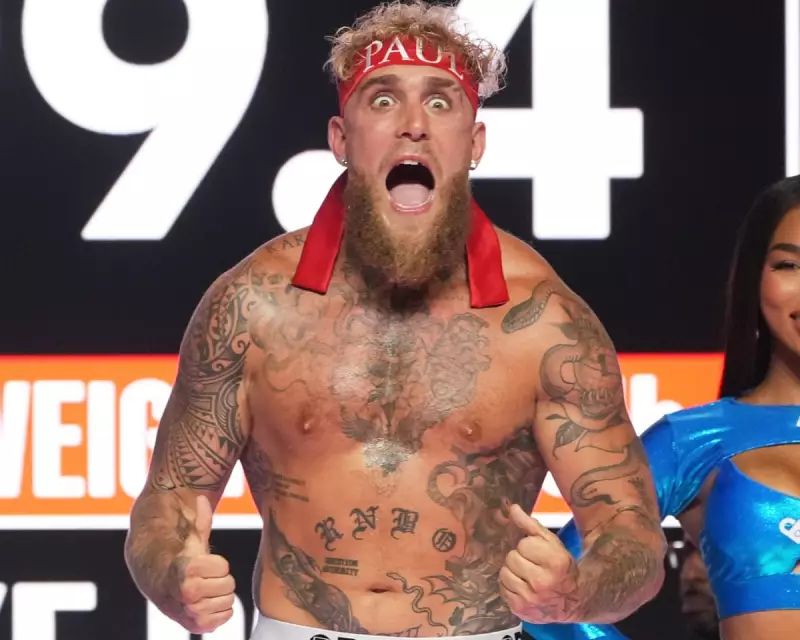
When YouTube sensation Jake Paul steps into the ring with two-time world heavyweight champion Anthony Joshua next month, it won't just be a boxing match. According to experts and former champions, it could be downright dangerous for the 28-year-old internet celebrity. Barry McGuigan expressed genuine concern, stating that if the fight proceeds properly, Paul could have his "head taken off."
Carl Froch went even further on his YouTube channel, warning of potential broken jaws, caved-in skulls and even brain bleeds. Meanwhile, David Haye told Sky News this could potentially be Paul's "last day on Earth," delivering the grim prognosis with appropriate gravity.
Performance Art Meets Professional Boxing
Despite the dire warnings, those who understand both boxing and internet culture recognise this event for what it truly represents: the ultimate collision between athletic prowess and performance art. The match brings together two distinct forms of fame and power - the pure athlete in Joshua versus the algorithm-native performance artist in Paul.
What makes this spectacle particularly fascinating is how it blurs the lines between genuine sport and elaborate stunt. The perceived danger isn't just a byproduct; it's the entire point. The possibility that Paul might suffer serious harm scandalises traditional boxing fans, which exactly why promoters emphasise this narrative to sell tickets and generate outrage.
Paul has built his career on understanding dark desires and hard numbers. His YouTube journey since 2014 shows a clear evolution from wholesome content like "I Graduated High School" to increasingly extreme stunts including "Hanging From 300ft Cliff" and "I Spent 24hrs BURIED IN SOLID CONCRETE." Even his marriage to fellow content creator Tana Mongeau in 2019 was later revealed to be a content creation sham.
The Algorithm Behind the Spectacle
As Paul himself declared on his reality TV show: "This is America. The currency isn't being liked. It's attention. What can you do with attention? The answer is anything." This philosophy underpins the entire event, which represents sport stripped of niceties and traditional inhibitions.
Unlike traditional boxing matches focused on creating fair competitions, internet culture thrives on outlandish mismatches. This fight follows the same pattern as other viral content where ordinary people attempt extraordinary challenges against impossible odds.
Former boxer Tony Bellew remains sceptical, saying "I don't believe a single thing until I see them in the ring. Even if they come together for a presser. It won't happen. It can't happen." This uncertainty adds another layer to the spectacle, keeping audiences guessing about whether the fight will actually occur.
Even if it does proceed, questions remain about whether Joshua will train properly or carry Paul through rounds as Floyd Mayweather did with Conor McGregor in 2017. Would Joshua actually maim his biggest potential payday in the sport?
This event represents a new frontier where viewers don't necessarily believe what they're seeing, but watch anyway. It's a grift that audiences willingly consume because, on some level, this bizarre collision of worlds is exactly what the attention economy demands.