The world of sports investment is witnessing a new contender that promises to revolutionise the game, but its language is straight out of a Silicon Valley pitch deck. Project B, a startup global women's basketball league, is emerging from what its founders call "stealth mode" with grand ambitions and even grander rhetoric.
The AI Comparison and Tech Bro Vernacular
Co-founder Grady Burnett, a former top executive at Facebook and Google, recently claimed that women's basketball is growing as fast as artificial intelligence. This eyebrow-raising statement came during promotion for Project B, which aims to create a "Formula 1-style circuit played on a global stage".
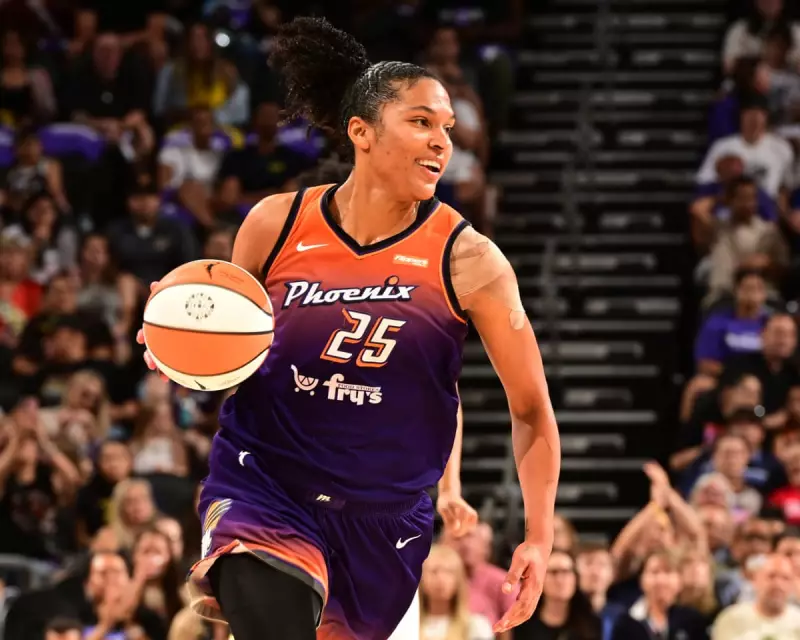
The league has attracted players like Alyssa Thomas and was briefly associated with LeBron James and Maverick Carter before their involvement ended. Burnett's promotional blitz has been characterised by a stream of tech industry clichés, including references to "supply-demand mismatch", Web3, and having a "focus on eyeballs".
He's described working with investors who can "lean in" and drive a "platform shift", while suggesting the league could discover culture through basketball in the manner of Anthony Bourdain's approach to food.
The Financialisation of Modern Sport
Project B enters a women's basketball landscape already crowded with new competitions like Unrivaled and Athletes Unlimited. This explosion of new formats isn't driven by popular demand for sporting innovations but by the financialisation of professional sports.
Investors are sniffing for value beyond traditional major leagues, exploring opportunities in sports including:
- Padel
- Volleyball
- Professional bull riding
- Pickleball
- Mountain biking
David Eisen, an investor in the North American Pro Padel League, typified this approach by focusing on league valuations rather than participation or cultural influence. According to co-founder Marcos Del Pilar, the same league serves as a "networking superconductor for athletic, like-minded, like-moneyed masters of the universe".
Language as the First Casualty
The invasion of sports by tech investment hasn't just changed ownership structures—it's fundamentally altered how we talk about competition. Where sports were once the realm of proudly inarticulate athletes and coaches, today's discourse revolves around ecosystems, value-adds, and core unlocks.
This linguistic shift reflects the broader financialisation affecting sports across the US, Europe, Asia, and the Middle East. Greg Bettinelli of The Chernin Group, which has invested in Barstool and Unrivaled Sports, predicts "an expansion of the definition of sports to be more focused around fandom and engaged consumers".
Meanwhile, established leagues are thinking bigger too. NBA deputy commissioner Mark Tatum recently outlined visions for European expansion featuring "world-class infrastructure" and future "supersonic travel".
Former Milwaukee Bucks owner Marc Lasry summarised the investment thesis simply: "I think you can make a fortune of money investing in sports. You just don't have much competition right now." Against this financial onslaught, the first casualty appears to be the English language itself, as the authentic spirit of sport becomes increasingly obscured by the sticky web of capital and tech jargon.