Two decades after the National Basketball Association introduced a controversial dress code that initially sparked accusations of policing Black culture, the policy has unexpectedly inspired a global fashion revolution that transformed player expression.
From Controversial Beginnings to Cultural Shift
The NBA's dress code, implemented by then-commissioner David Stern at the start of the 2005-06 season, required players to wear business or conservative attire when arriving and departing games, on the bench when injured, and during official NBA business. The policy specifically banned oversized T-shirts, do-rags, jerseys, and other hip-hop-inspired clothing that had become synonymous with basketball culture.
Many players and observers viewed the move as a direct critique of Black culture and particularly targeted Philadelphia 76ers guard Allen Iverson, whose signature style of tattoos, braids, and baggy clothing had influenced an entire generation of athletes. In a recent interview, Iverson recalled how his influence triggered the league's response: "David Stern and the rest of the NBA were like, 'No,' because it was all right when I was doing it. But then everybody else said, 'OK, if he can do that, we can do this.'"
The backlash was immediate and deeply personal. Former Cleveland Cavaliers forward Ira Newble, who played when the ban was introduced, remembers the tension: "Everyone seemed upset and up in arms about the dress code. No one wanted to have a dress code. It was a big deal."
The Unexpected Evolution
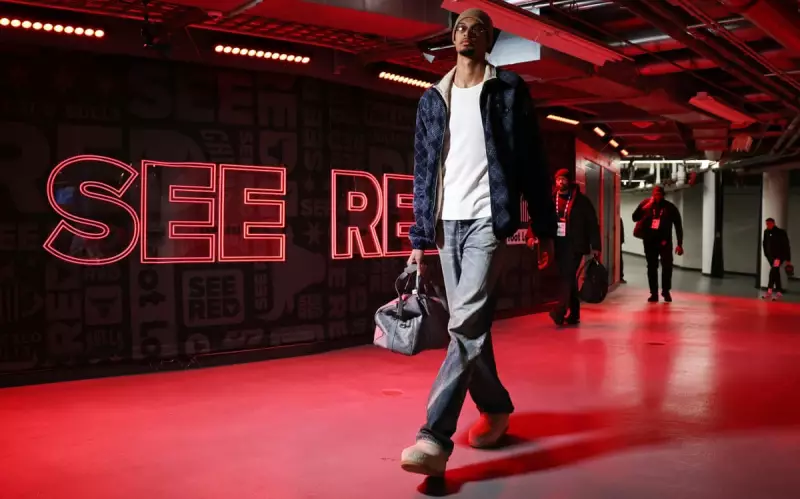
Rather than suppressing individuality, the dress code inadvertently created a fashion renaissance that reshaped both the NBA and global style. What began as a mandate for professionalism evolved into tunnel walks lined with photographers, endorsement deals with high-fashion brands, and players driving worldwide trends.
Kathy Behrens, the NBA's president of social responsibility and player programs, acknowledges the league didn't anticipate this outcome. "The reality is our players embraced the change very quickly and truly raised the level much higher than we anticipated," Behrens says. "Pre-game 'fits' became a thing. It soon became a competition over who could dress the best."
The policy has been relaxed since Adam Silver succeeded Stern in 2014, allowing for more creative expression while maintaining professional standards. Current players like Cleveland Cavaliers guard Darius Garland appreciate the freedom: "Now we can put on our own stuff. We can express ourselves."
Fashion as Business and Cultural Influence
Today, the runway to the locker room has become one of the most influential stages in global fashion, with players securing deals with brands like Lululemon and Armani. Garland notes the economic impact: "A lot of guys have different avenues of revenue with clothing pieces. With the dress code not being a dress code anymore, it's giving us money we can put in our pockets."
The transformation is particularly striking to veterans like Jameer Nelson, now assistant general manager for the 76ers, who witnessed the initial implementation. "You can see now how the personalities are being shown through fashion," Nelson observes. "Getting dressed is art. It's how you express yourself without even speaking."
Even current players like Lonzo Ball of the Cleveland Cavaliers were unaware the dress code still existed, demonstrating how seamlessly players have incorporated fashion into their professional identities. Ball acknowledges Iverson's foundational influence: "You can trace the swag back to him. The tattoos, the braids, the baggy stuff. We came a long way from the NBA punishing him for expressing himself."
Twenty years after what many perceived as an attack on hip-hop culture, the NBA dress code has ultimately amplified rather than suppressed player expression, creating a multi-million dollar fashion ecosystem that continues to influence global style trends.