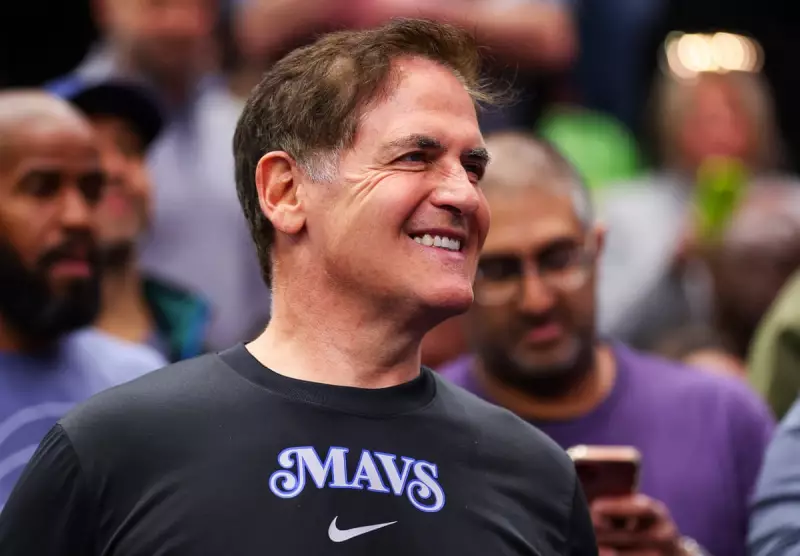
When Mark Cuban purchased the Dallas Mavericks in January 2000, he promised to transform the struggling NBA franchise from irrelevant afterthought to championship contender. For years, he delivered on that bold vision, but as his tenure potentially nears its end, questions swirl about whether his legacy has ultimately turned rotten.
The Transformation: From League Laughing Stock to Champions
Cuban's arrival immediately injected energy and ambition into a franchise that had won just 40 games total across two seasons before his purchase. The tech billionaire brought his signature courtside passion, deep pockets, and marketing genius to an organisation desperately needing direction.
The Mavericks' ascent was dramatic. Under Cuban's ownership, the team became perennial playoff contenders, culminating in the 2011 NBA Championship that cemented their place among basketball's elite. Cuban's hands-on approach and willingness to spend whatever it took to win earned him admiration from fans and players alike during these glory years.
The Cracks Begin to Show: Controversies and Questionable Decisions
Despite the on-court success, troubling patterns emerged throughout Cuban's stewardship. The organisation became known for a toxic workplace culture, particularly under former CEO Terdema Ussery, who faced multiple allegations of inappropriate behaviour toward female employees during his tenure from 1997 to 2015.
More recently, the Mavericks faced significant backlash for their association with sports streaming service Runline. The company, which Cuban backed heavily, collapsed amid fraud allegations in 2024, leaving employees unpaid and investors facing substantial losses. This controversy raised serious questions about Cuban's judgment and due diligence.
A Legacy of Contradictions: Innovation Versus Instability
There's no denying Cuban's innovative impact on the NBA business model. He pioneered the use of advanced analytics, transformed the fan experience at American Airlines Center, and leveraged social media to build the Mavericks brand globally. He made basketball matter in Dallas in ways it never had before his ownership.
Yet these achievements now sit uncomfortably alongside the organisation's cultural failures and recent controversies. The very passion that drove the franchise's success sometimes manifested as volatility, with Cuban accumulating over $2 million in fines from the NBA for his outspoken criticisms of officiating and league management.
As potential ownership changes loom, the assessment of Cuban's legacy remains deeply divided. Did he save the Mavericks from obscurity only to tarnish their reputation with later missteps? The answer likely depends on whether you focus on the championship banner hanging in American Airlines Center or the damaged reputations left in Cuban's wake.
The final chapter of Mark Cuban's ownership story continues to unfold, but the debate about his true impact on the Dallas Mavericks franchise is already generating passionate arguments from all sides of the basketball world.