Inside the 'Zero Bills' Homes Revolution: A Glimpse into Britain's Energy Future
The government's long-awaited Warm Homes plan, unveiled on Wednesday, aims to transform British housing by making homes cheaper, warmer, and more efficient. But is this ambitious vision a realistic blueprint for the future, or merely a distant dream? Climate reporter Victoria Seabrook investigates the emerging world of 'zero bills' homes and the challenges ahead.
The Reality of Living Bill-Free
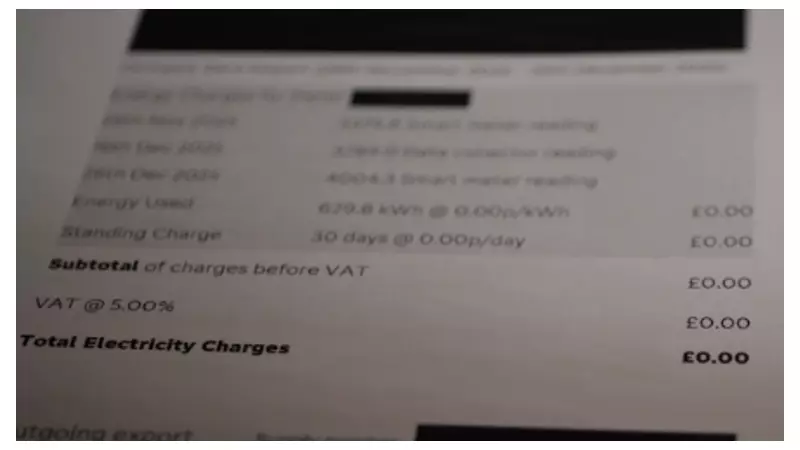
Elliott Wood, a 26-year-old resident of Milton Keynes, experiences something most Britons can only imagine: a monthly energy bill of £0. Living in a one-bedroom rental with his partner, Elliott benefits from a new breed of 'zero bills' homes equipped with solar panels, heat pumps, and batteries. This technology generates more electricity than he uses, with the excess sold back to the grid under a specialised tariff with Octopus Energy.
"It's amazing… you just don't have to worry," says Elliott. "There is no stress at the end of each month, [wondering] 'have we had too many showers, has the heating been on too much, have we used the microwave too many times?'"
However, this scheme comes with caveats. The tariff is guaranteed for only five to ten years and excludes electric vehicle charging. Octopus Energy estimates that an average two- to three-bedroom household could save approximately £1,758 annually on bills based on current Ofgem price cap rates.
The Stark Contrast: Britain's Leaky Homes
Despite these innovations, only a few hundred such homes are operational, leaving the 'zero bill' concept a pipe dream for most. Britain's housing stock remains among the most inefficient in Western Europe, with approximately 85% of homes relying on gas for heating. More than half of this gas is imported, and much of the heat is lost through uninsulated Victorian brickwork.
This inefficiency results in cold, damp homes that are expensive to maintain, contributing to a staggering 2.7 million UK households living in fuel poverty. Additionally, housing and buildings are the second-largest polluting sector in the UK, after transport, posing a significant barrier to meeting climate targets.
The Government's Warm Homes Plan: A Comprehensive Strategy
The government aims to address these issues through its £14.7 billion Warm Homes plan, designed to upgrade homes to be cheaper, better, and warmer. While not achieving zero bills like Elliott's home, the strategy includes measures such as insulation, solar panels, batteries, and heat pumps to lower bills and reduce gas dependency.
Key components of the plan include:
- £5 billion for fully funded solar panels or batteries in low-income, fuel-poor homes.
- £2 billion towards cheap loans for households to cover upfront costs of solar panels, heat pumps, and batteries.
- An extension of heat pump subsidies under the Boiler Upgrade Scheme.
- New minimum energy efficiency standards for rental homes by 2030.
Ministers claim the plan will upgrade five million homes and lift up to one million families out of fuel poverty by 2030. Campaigners and industry experts have broadly welcomed the initiative, citing its potential to slash bills and improve living conditions.
Challenges and Skepticism
Previous attempts to upgrade homes have faltered, raising questions about enforcement, trust in insulation providers, and the affordability of electricity for heat pump users. Dhara Vyas, CEO of Energy UK, emphasised the need to tackle artificially high electricity costs to realise the plan's full potential.
"Supporting better access to clean heat systems, solar panels, batteries, and insulation will help millions of households across the UK bring down their energy bills," she said. "But to ensure the plan realises its full potential, it will be important to tackle the factors that currently make electricity artificially expensive."
Broader Implications: Energy Security and Geopolitics
Transitioning from gas heating to electric heat pumps could reduce the UK's reliance on imported gas, enhancing energy security. This shift holds geopolitical value, particularly as gas imports from sources like Russia and the US become less predictable. However, a risk remains that as fewer people pay gas bills, those still on the system may face higher costs to maintain infrastructure.
The Warm Homes plan is still in its infancy, and its success hinges on effective implementation. Prime Minister Sir Keir Starmer has staked the government's reputation on easing the cost of living, stating, "This is a government bearing down on the cost-of-living crisis… giving people the security and the fair shot they need to get on in life."
Ultimately, the plan's impact will be judged by its ability to deliver tangible results, transforming Britain's housing landscape while addressing fuel poverty and climate goals.