The UK government has launched a comprehensive new strategy to tackle child poverty, pledging that its series of measures will lift more than half a million children out of poverty by the end of the decade. The plan, which was delayed from its original spring publication, focuses on providing direct support to families struggling with housing and childcare costs.
Core Measures to Support Families
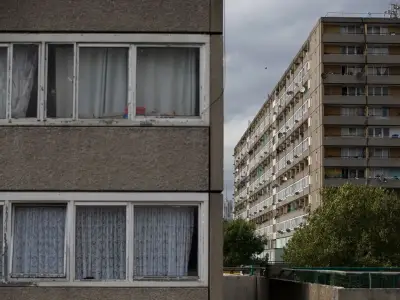
At the heart of the strategy is a significant shift in housing policy for vulnerable families. A new £8 million pilot scheme will operate across 20 local councils with high numbers of homeless families in temporary bed and breakfast (B&B) accommodation. The explicit goal is to ensure these families are moved into suitable housing within six weeks.
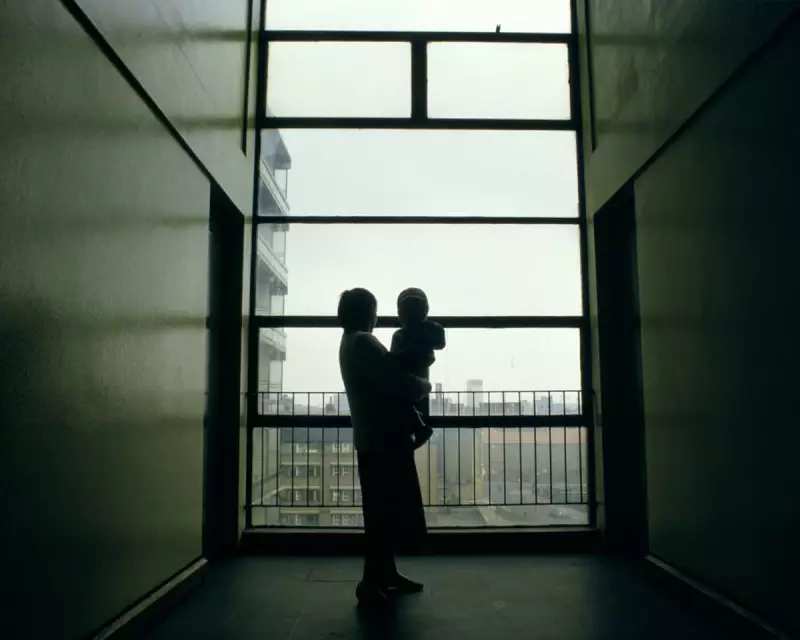
In a parallel move, the government will work with the NHS to prevent new mothers with newborn babies from being discharged back into B&Bs or other unsuitable temporary housing. A new legal duty will also be placed on councils to inform schools, GPs, and health visitors whenever a child is placed in temporary accommodation with their family.

Another key pillar is reform to childcare costs for working parents. Rules governing Universal Credit will be changed to make it easier for parents to access help to pay upfront childcare costs, removing a significant barrier to employment.
Reversing Previous Policies
The strategy builds on recent announcements, most notably the abolition of the controversial two-child limit on some benefits, a Conservative-era policy. Chancellor Rachel Reeves confirmed the end of this near decade-old rule, which campaigners argued had pushed over 300,000 more children into poverty. The reversal is estimated to cost £3 billion during this parliament and has been hailed by poverty charities as the single most effective step the government could take.
Other recently announced policies folded into the wider strategy include the expansion of free school meals in England, funding for more breakfast clubs, and a project to establish a new wave of family hubs inspired by the Sure Start model. Prime Minister Keir Starmer also confirmed this week that the government would adopt Competition and Markets Authority (CMA) recommendations to help parents identify cheaper baby formula alternatives to well-known brands.
A "Moral Mission" and Charitable Response
Prime Minister Keir Starmer described the fight against child poverty as a "moral mission" for his government. In a statement, he said he would not stand by while families struggled without basics like a secure home and warm meals, stating that "the cost of doing nothing is too high for children, for families, and for Britain."
Poverty charities have responded positively to the unveiled plan. Katie Schmuecker of the Joseph Rowntree Foundation said the government had "put its money where its mouth is" and that scrapping the two-child limit was the most effective decision ministers could have made.
While welcoming the strategy, leaders also sounded a note of caution. Lynn Perry, Chief Executive of Barnardo's, noted that close to four million children are still projected to be living in poverty in 2029 even with these changes. Similarly, Alison Garnham of the Child Poverty Action Group called the moves invaluable but "only the first step," emphasising the need to build on this momentum for tangible change.
Downing Street estimates that the combined measures will lift 550,000 children out of poverty by 2030, which it claims would be the biggest such reduction in a single parliament since comparable records began.