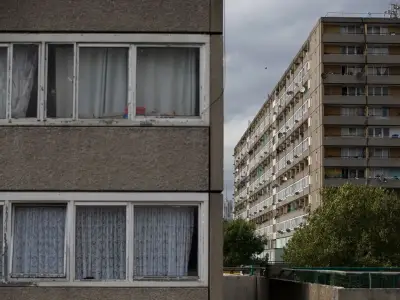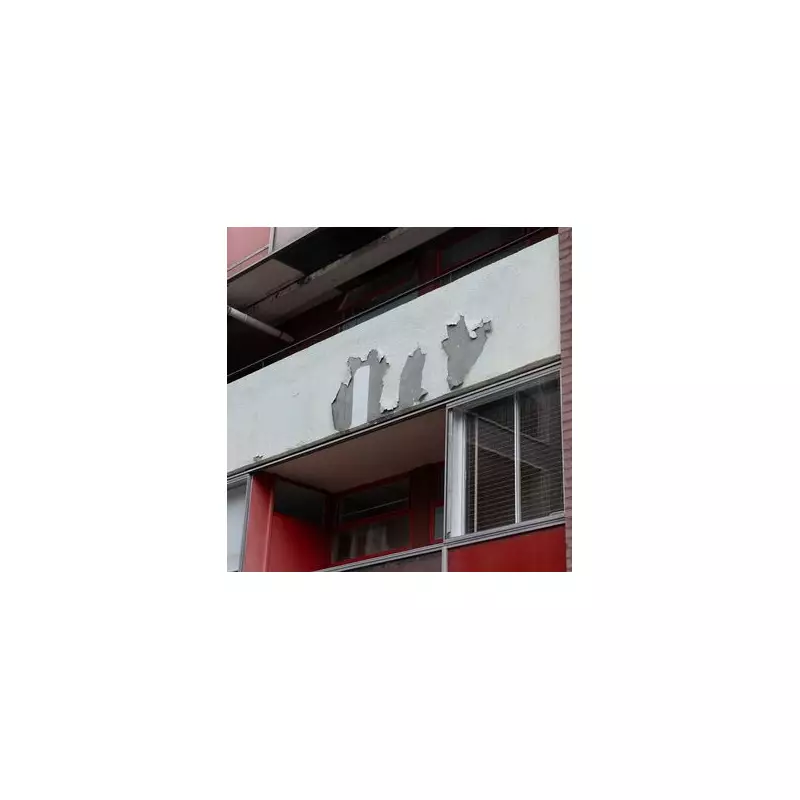
The City of London Corporation is facing a growing housing crisis as the proportion of its social homes classified as 'non-decent' has nearly doubled within the past year, according to recent reports.
Alarming Spike in Substandard Housing
The percentage of non-decent tenanted homes managed by the Corporation jumped dramatically from 9.6% in 2024 to 17.6% as of October 2025. This concerning trend affects residents living on estates including Golden Lane, Middlesex Street and York Way.
Officials attribute this sharp increase primarily to significant delays in major refurbishment projects, though they confirm plans are now progressing. The situation appears particularly stark when compared to national averages - while 10% of socially rented homes across England failed the decent homes standard in 2023, and London's rate stood at 9%, the Corporation's current figure of 17.6% represents a substantially worse performance.

Major Refurbishment Delays and Funding Challenges
According to documents presented to the Housing Management and Almshouses Sub-Committee, three major refurbishment projects have experienced substantial delays due to increasing complexity, changing regulations and funding constraints.
Peta Caine, Director of Housing at the Corporation, stated clearly: "In summary our Decent Homes performance has dropped as a result of not doing the major works programme works on a number of estates, and the longer we don't do those works the higher the non-decent homes number will rise."
The Golden Lane Estate, a Grade II/Grade II*-listed property, has become a symbol of these challenges, suffering from years of delays that have caused significant stress for residents dealing with disrepair and uncertainty about potential costs.
Future Challenges and Improvement Plans
The Corporation faces additional pressure from upcoming government changes to the Decent Homes standards, scheduled to take effect between 2035 and 2037. These revised standards, while welcomed in principle, are expected to "increase the compliance burden on landlords and put further pressure on already stressed resources," according to the Corporation's report.
A government consultation has recently concluded, proposing to maintain and update the current four Decent Homes criteria while introducing a fifth standard specifically addressing damp and mould. While specific impact data for the Corporation isn't available, this change is expected to significantly increase non-decent home numbers nationwide.
The Corporation has allocated £110 million for housing improvements over the next decade, targeting essential upgrades including:
- New windows, kitchens and bathrooms
- Modernised heating systems
- Refurbished lifts and electrical enhancements
- Roof replacements and communal area improvements
A Corporation spokesperson emphasised their commitment: "As a proud social landlord, we are already investing over £110m in our 12 housing estates, supporting residents across the Square Mile and six London boroughs. We recognise the increase in the number of homes currently classified as non-decent and understand the concern this raises."
With 293 additional homes currently assessed as 'potentially non-decent' - compared to the 338 already classified as non-decent - the situation may deteriorate further before improvement programmes take full effect. The financial implications of the government's revised standards remain uncertain, presenting what officials describe as "one of those risks that we can't quite calculate at the moment."