Positive Shift in London's Homelessness Crisis
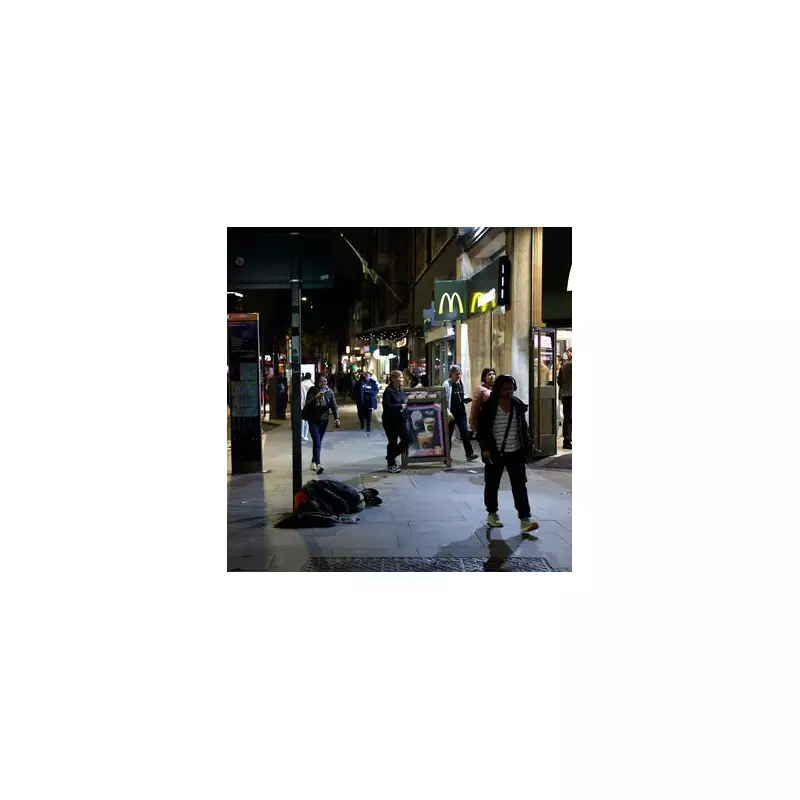
For the first time in three years, London has witnessed a year-on-year decrease in the number of people forced to sleep rough on its streets. This significant shift, revealed in the latest official data, breaks a persistent trend of double-digit annual increases that has plagued the capital since 2021.
Breaking Down the CHAIN Report Data
The critical figures come from the Combined Homelessness and Information Network (CHAIN), which monitors London's homeless population. Their report for the period July to September recorded 4,711 people sleeping rough in the city.
This represents a one per cent drop compared to the same quarter in 2024. Perhaps even more encouraging is the data on new rough sleepers. The report found a substantial 10 per cent decrease in the number of people newly forced onto the streets, with the total standing at 2,116.

Of these new cases, a significant 74 per cent spent only a single night sleeping rough, suggesting that intervention efforts for new arrivals are having a measurable effect.
A Concerning Counter-Trend and Expert Warnings
However, the report also highlights a worrying counter-trend. The data categorises those who are 'living on the streets' – individuals who have sustained a street lifestyle, which can include begging – separately from the overall count of rough sleepers.
In this category, the numbers have moved in the opposite direction. The CHAIN report identified 759 people living on the streets between July and September, which is an 11 per cent increase on the same period in 2024.
John Glenton, chief care and support officer at the charity Riverside, described the overall drop as "quite an achievement". He noted it is the first year-on-year fall since 2022 and the first decline during the summer months since 2017.
Despite this progress, he issued a stark warning about the fragility of these gains. "We are deeply concerned to see homelessness services being decommissioned by cash strapped local authorities in London and nationally," Glenton stated.
He pointed to the end of ring-fenced 'Supporting People' funding as a critical factor, revealing that its removal has led to a 47 per cent decrease in local authority commissioned contracts for homelessness services over the past decade.
To build on this positive development, Glenton and others are calling for urgent action: "To further prevent rough sleeping, we desperately need to re-introduce ring-fenced funding for supported housing and homelessness services again. This will help to further reduce rough sleeping and grow the supply of bed spaces for people affected by homelessness and prevent the closures of vital services."