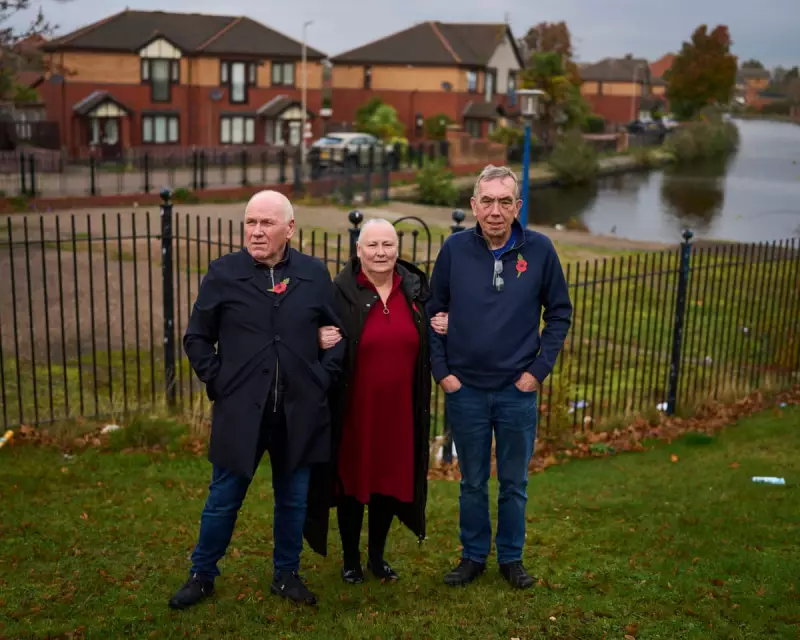
The Eldonian village in north Liverpool, once celebrated as a pioneering community housing project, is now fighting for survival amid allegations of governance failures and the mysterious transfer of community assets to offshore companies.
From utopian dream to community crisis
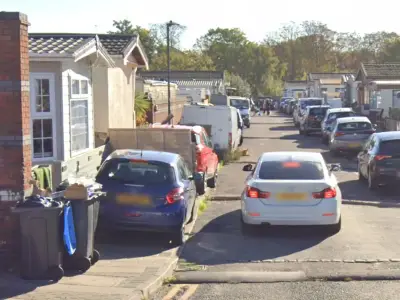
Built during Liverpool's post-industrial decline in the 1980s, the Eldonian village represented an ambitious vision of community-led regeneration. The development featured 400 redbrick homes centred around a village hall, leisure centre and playing fields - all owned and managed by residents through their community trust.
The project earned royal recognition, with the then Prince Charles describing it as "a leading example of a successful, community-led, bottom-up approach to neighbourhood regeneration." Residents, facing displacement from slum-clearance programmes, had chosen to stay together and rebuild their community from derelict land beside the Leeds and Liverpool canal.

The mysterious disappearance of community assets
The first signs of trouble emerged around 2016 when residents began noticing changes. Football pitches were ripped up, the school was demolished, and the village hall was shuttered. What they didn't initially realise was that leases and land had been quietly transferred to private hands.
Documents reveal a paper trail showing community assets - including shops, nursery, leisure centre, gym, bowling green and sports pitches - were offloaded to offshore firms based in the Caribbean, with some directors living in Switzerland. Several apparently valuable assets had changed hands for as little as £1.
"It all happened so quietly. It was gradual," said Maureen Price, a long-term Eldonian resident. "Every time we asked who was responsible, no one answered. We wanted to know who approved those sales, why was nobody told and what happened to the income from our amenities?"
The legal battle for survival
The search for answers led residents on a complex legal journey through the high court, Charity Commission, and offshore jurisdictions. Their investigation was met with apparent intimidation, including graffiti labelling Price as "Maureen the grass" and the destruction of a nativity crib outside a church where campaigner Brian Jones volunteered.
The crisis culminated in a winding-up petition brought by Anthony McGann, son of the project's original pioneer Tony McGann, who claimed the charity owed him nearly £14,400 in legal fees. However, the case collapsed when a judge discovered the key invoice had been altered, with law firm Mishcon de Reya disowning the document.
Judge Halliwell dismissed the petition, stating: "I have treated Mr McGann's case and the evidence which he now deploys in support of his case with a great deal of caution."
A community determined to rebuild
The Charity Commission has now opened a statutory inquiry into concerns about the trust's governance. David Holdsworth, the commission's chief executive, emphasised: "We stepped in to make sure the charity could protect its assets for the public benefit."
Despite the challenges, residents remain determined to restore their community. "We built this place with our own hands," said Billy Little, whose father was an original trust member. "We are not going to let anyone take it away, not then and not now."
Lord Rennard, the Liverpool-born peer now chairing the trust, praised residents' resilience: "Credit is due to their bravery and determination to fight back. The charity has turned a new page in its history and we are determined to restore hope and look to the future."
As the Charity Commission inquiry continues, the Eldonian community faces the difficult task of rebuilding both their physical assets and the trust that once made their village a model for community-led regeneration.