Community Steps Up as Food Stamp Uncertainty Grips Las Vegas Families
In the shadow of Las Vegas's glittering Strip, a different reality unfolds for teenagers and young adults facing food insecurity. The Huntridge neighbourhood in downtown Las Vegas recently witnessed an unusual Halloween tradition where volunteers distributed non-perishable meal bags alongside traditional sweets.
The initiative came as 196,000 Nevadans faced uncertainty about their Supplemental Nutrition Assistance Program benefits, commonly known as food stamps. With the government shutdown threatening November payments, families across the state prepared for potential hardship.
Adriana Chavez, one of the meal bag volunteers, explained the motivation behind their efforts. "It was important to me to physically pack up food bags and to be in the presence of those who came to get them," she said. "I'm not so different than they are. Two months of no income and I might need assistance too."

The Human Face of Food Insecurity
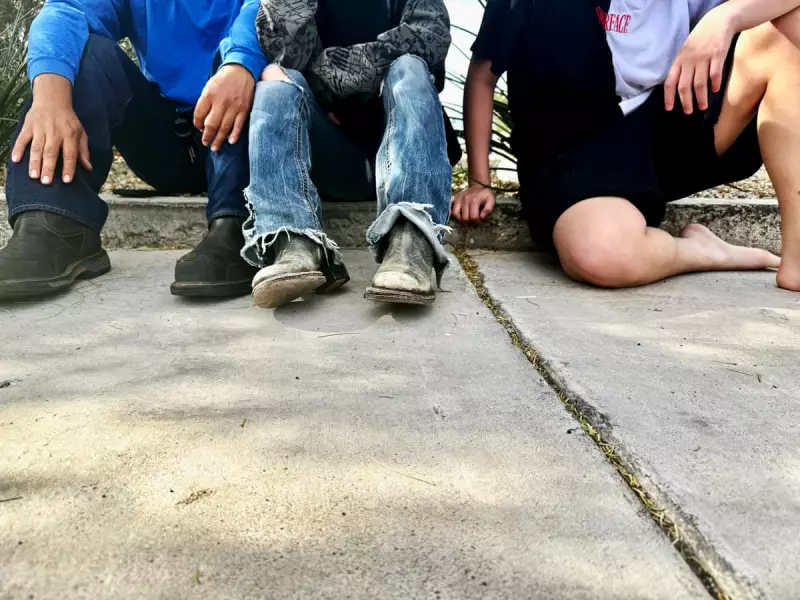
Fifteen-year-old Lola* and other local children eagerly selected meals from the Halloween distribution. The bags contained ingredients for six different dinners, including chickpea curry, child-friendly snacks with shelf-stable milk and cereals, and enhanced ramen packages with tinned BBQ pork and vegetables.
"We need this food," said a boy named Saul. "My mom doesn't know how she's going to feed my sisters and me if she don't get her stamps."
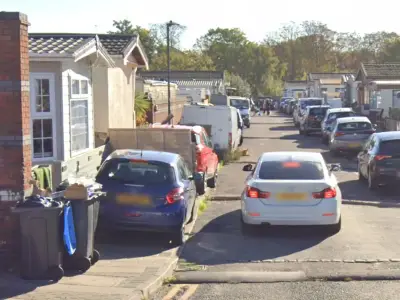
The children came from nearby Naked City, a neighbourhood once known for its showgirl residents but now struggling with poverty and social challenges. Many carried multiple bloated bags half a mile home, determined to help their families through uncertain times.
Volunteer Kia reminded the young recipients, "Y'all help your moms. This is a blessing."
A Family's Struggle for Stability
Naomi, a 34-year-old single mother of three, represents the working poor caught in the benefits gap. Despite earning over $18 per hour, inconsistent hours leave her family relying on EBT benefits that typically provide less than $800 monthly for food.
"I don't like it when she doesn't eat," Lola confessed about her mother while picking at her nail polish. "She's tired and angry at everybody and tells me to go to my room and I ain't done nothin'."
Naomi's financial situation remains precarious. Without November EBT payments, she faces using rent money for food, potentially jeopardising their housing if she cannot save enough for December's rent. The family previously supplemented their income through DoorDash deliveries until their car broke down.
The Lasting Impact of Childhood Hunger
Research reveals that food insecurity creates profound and lasting effects on developing brains. Studies from South Carolina and the UK show that children as young as five understand when food scarcity threatens their households, leading to feelings of sadness and anxiety that affect cognitive functioning, emotion and behaviour.
Stanford neuroscientist Robert Sapolsky explains that chronic stress from potential hunger creates significant brain changes. Unlike short-term stress responses designed for immediate threats, ongoing food insecurity keeps the brain in a constant state of alert, compromising the prefrontal cortex responsible for decision-making and long-term planning.
For children and teens with still-developing brains, the consequences are particularly severe. Instead of focusing on growth and learning, their mental resources divert toward survival, potentially affecting them throughout their lives.
Lola's experience reflects this research. She helps with her younger brothers' homework and puts them to bed when her mother works nights, but struggles with insomnia and worry. "I sometimes worry someone will rob the store or shoot her, or she won't come home," she confessed.
Studies in the Journal of Nutrition and Dietetics confirm that children in food-insecure households often exhibit behavioural issues, including hyperactivity, concentration difficulties, higher absenteeism, anxiety and depression. Some become aggressive, while others internalise their stress to protect their caregivers from additional worry.

As Las Vegas families navigate uncertain government support and rising living costs, community initiatives like the Halloween meal distribution provide temporary relief. However, the underlying issues of poverty and food insecurity require more comprehensive solutions to protect vulnerable children from lasting harm.
*Names have been changed to protect privacy