The Labour government has launched a sweeping new strategy to tackle the deep-seated crisis of child poverty in Britain, a plan it describes as its core mission. The policy, which includes the politically contentious abolition of the two-child benefit limit, is projected to lift 550,000 children above the poverty line by 2030.
This would represent the most significant reduction in child poverty achieved within a single parliament. However, the scale of the challenge remains immense, with an estimated 4 million children still expected to be living in poverty by the end of the decade.
The Stark Reality of Modern Poverty
The strategy lays bare a fundamental shift in the nature of deprivation in the UK. It reveals that almost three-quarters of children in poverty now come from working families, dismantling the outdated stereotype that poverty is solely linked to unemployment.

This detail underscores a harsh economic truth: having a job is no longer a guaranteed escape from hardship. The document details the brutal consequences for young lives, linking poverty to poorer health, lower educational attainment, and reduced lifetime earnings. It even cites research showing British five-year-olds are now up to 7cm shorter than their European peers, highlighting the profound physical impact of deprivation.
A Strategy Built on Evidence and Facing Opposition
The decision to scrap the two-child limit on benefits was the central recommendation of Labour's child poverty taskforce, identified as the fastest way to rescue the most children from dire need. Yet the government acknowledges it is acting against prevailing public opinion; a YouGov poll found 56% of the public oppose removing the cap, with only 31% in favour.
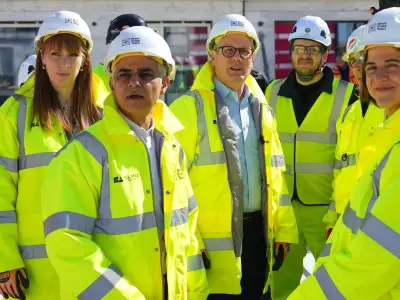
Ministers Liz Kendall, Alison McGovern, and Bridget Phillipson launched the strategy at the Jubilee children's centre in Brixton, a surviving example of the kind of community hub the new 'Best Start' programme aims to replicate. The plan is cross-departmental, linking initiatives from health and housing to transport, with a specific pledge to tackle the scandal of children living in squalid temporary accommodation far from their schools.
The Political Battle and a Long-Term Vision
The strategy is framed as a decade-long project, explicitly contrasting Labour's approach with the policies of previous Conservative governments. It references the savage benefit cuts of the George Osborne era and the toxic rhetoric of 'strivers vs skivers', which has been recently revived by figures like Kemi Badenoch.
The influence of right-wing media in shaping public attitudes is noted, with examples of hostile headlines from outlets like the Sun following the budget. The document argues that the cost of non-pensioner benefits has remained stable at 4-5% of GDP for 40 years, countering claims of a spiralling welfare bill.
With the cabinet containing more ministers from working-class backgrounds than any before, the government hopes to embed this focus on child poverty as its defining theme. The question, as with the Blair government's earlier efforts and the dismantling of the Sure Start network, is whether political time and public sentiment will allow the long-term commitment needed to turn the strategy into lasting change.