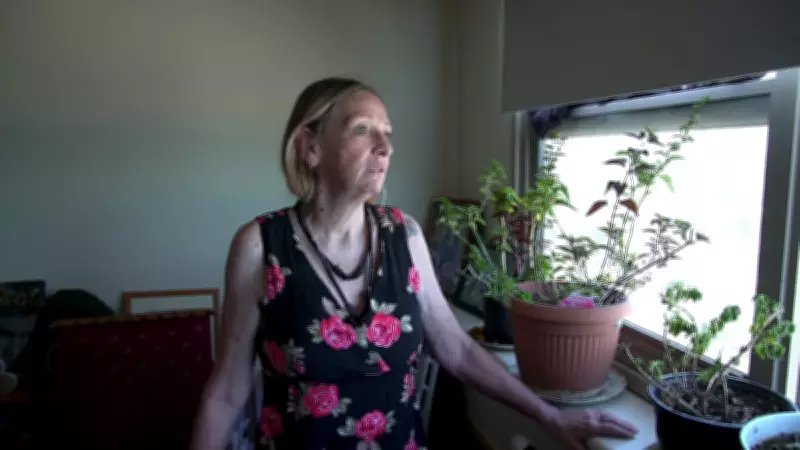
The Victorian government's announcement that seven public housing towers designated exclusively for older residents will be demolished has left elderly Melburnians facing daunting relocation challenges, with many expressing shock and concern about their ability to physically manage the moving process.
Sudden Announcement Leaves Residents Feeling Blindsided
Lana Sawyer, a 58-year-old resident of the Albert Park tower, discovered the news unexpectedly when she noticed officials in "lots of suits" gathering in her building's community room. "I felt completely blindsided," Sawyer revealed, explaining that she had previously been assured her tower would be among the last to be demolished under the government's redevelopment plan.
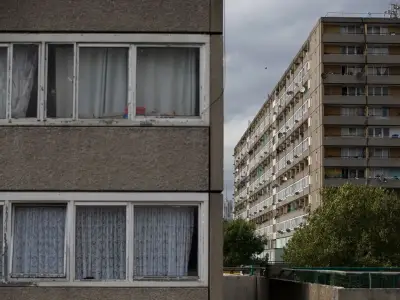
The seven affected towers, located across Albert Park, Flemington, Kensington, North Melbourne, Prahran and St Kilda, form part of the second phase of a comprehensive strategy to redevelop all 44 public housing high-rises by 2051. These buildings specifically accommodate residents aged 55 and over, with many occupants in their 80s and 90s who have lived in their apartments for decades.

Physical Challenges of Relocation for Elderly Residents
For Sawyer, who lives with chronic neck and back pain resulting from a car accident alongside complex PTSD, the practical aspects of moving present significant obstacles. "I've got serious health issues. I can't move heavy boxes and a fridge on my own," she explained, highlighting concerns about who will assist with packing and transporting her belongings.
Anne Downey, a 93-year-old resident who has lived at the Albert Park site for four years, expressed similar anxieties about the upcoming move. "At my age I don't really want to be moving around," Downey stated, adding that she initially believed her building would be among the last to undergo redevelopment. "I'm very happy where I am and I like the area," she emphasised.
Government Response and Relocation Support
Victoria's housing minister, Harriet Shing, defended the decision, stating that the government is replacing Melbourne's ageing housing towers with modern, energy-efficient and affordable homes "because people deserve homes that meet today's standards." She described the redevelopment as inevitable, noting that "our high-rise housing towers have reached the end of their useful lives."
The government has outlined a support package for affected residents, with relocations scheduled to begin in July. Each household will be assigned a dedicated relocations officer to help secure suitable alternative accommodation, with priority given to keeping people within their local communities if desired. Homes Victoria will also implement a peer-support program connecting affected residents with others who have already undergone relocation from similar buildings.
Legal Challenges and Community Concerns
The announcement coincides with ongoing legal challenges from public housing residents affected by the first phase of demolitions. Lawyers from Inner Melbourne Community Legal, who are running a class action for residents in three towers in North Melbourne and Flemington, plan to take their case to the High Court after an appeal was dismissed last month. The legal team intends to seek an injunction preventing Homes Victoria from serving eviction notices until legal proceedings conclude.
Housing advocates have raised concerns about the broader implications of the redevelopment program. The non-profit Housing For the Aged Action Group warned that "the impact of relocations on people in this age group cannot be underestimated," noting that many residents have chronic health conditions and age-related limitations. The group expressed particular concern about how some elderly residents "will survive the relocation process."
Broader Context and Implementation Timeline
Approximately 30 residents remain in the three towers from the first demolition phase in Flemington and North Melbourne, which are scheduled for redevelopment by 2031. For the seven towers in the second phase, Homes Victoria confirmed that staff have been deployed on-site to support residents and provide information about the relocation process.

In a statement, the agency emphasised that "no one is required to move straight away" and that supporting residents remains the priority. They noted that more than 600 residents will receive assistance during this next stage, with collaboration between Victorian and Commonwealth health departments alongside community partners Better Health Network and Cohealth.
The redevelopment program has sparked broader discussions about housing policy in Australia, with critics noting that the country spends more on tax breaks for landlords than on social housing, homelessness services and rent assistance combined. As Melbourne's public housing transformation continues, elderly residents face both the practical challenges of relocation and the emotional upheaval of leaving homes many have occupied for substantial portions of their lives.