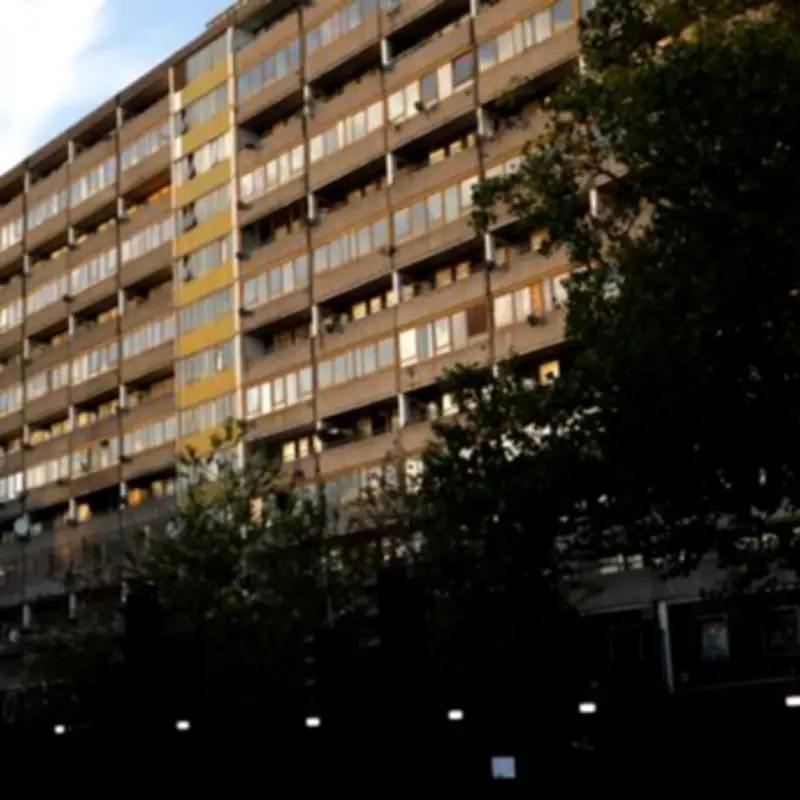
Southwark Council Seeks New Partners After Ditching Notting Hill Genesis From Aylesbury Estate Regeneration
Southwark Council is set to find new development partners to complete the final stages of the Aylesbury Estate regeneration following widespread complaints from residents about slow progress from housing association Notting Hill Genesis (NHG). The move will be formally agreed by the council's Cabinet members at a meeting on March 16.
Decades-Long Project Faces Major Shift
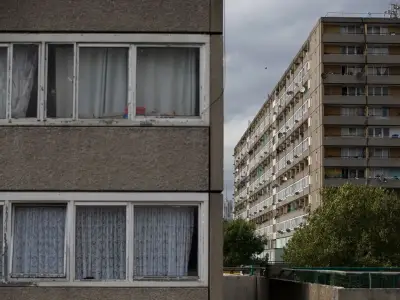
The Aylesbury Estate in Walworth, South London, was one of the largest public housing schemes in Europe, with approximately 11,000 residents at its peak. Built in the 1960s and 1970s, the estate has been undergoing regeneration since 2014 through a joint partnership between Southwark Council and NHG.
While NHG will continue work on three ongoing site projects—Plot 18, FDS C, and Phase 2B—new partners will be brought in to complete the remaining homes. The housing association's slow progress has led to antisocial behavior around empty blocks awaiting demolition, prompting council action.

Resident Concerns and Financial Realities
A spokesperson for the 35% Campaign, which advocates for 35 percent affordable homes in new developments, told the Local Democracy Reporting Service: "This divorce from NHG has been a long time coming and is not overdue. It's been apparent for some while that NHG have been lukewarm about the regeneration, despite holding an outline planning permission for over a decade."
The spokesperson added that Southwark Council has had to cover most costs for new social rented housing on the estate, noting the challenging funding environment for affordable housing where private developers seek large profits.
What Has Been Achieved So Far?
Since 2014, the partnership has delivered:
- More than 700 homes, including 581 new council homes
- New community facilities like the Una Marson Library and Harold Moody Health Centre
- 321 homes currently under construction
NHG's completion of three ongoing phases will bring the total to 1,664 new homes. The full regeneration program aims to eventually deliver around 4,200 homes, with 50 percent designated as affordable by habitable room.
Political Response and Resident Sentiment
Local ward councillors Sam Foster and Kezia Harper praised residents for showing "extraordinary strength and resilience" throughout the decades-long project but acknowledged they are owed an apology. They described the project as "a poor deal for Southwark Council and for residents" from its inception.
Councillor Foster separately noted: "This announcement will bring both relief and trepidation for Aylesbury residents. After years of asking what was happening with the regeneration, they finally have an answer... that the plans for future phases are definitively abandoned, as NHG cannot deliver them."
Historical Context and Financial Considerations
In 2001, Aylesbury residents voted against redevelopment plans in a ballot with 73 percent turnout. Southwark Council initially considered refurbishment but deemed it too expensive due to structural and design problems.
Recent reports indicate the council has spent £350 million on regeneration—the same amount estimated for refurbishment in 2005. The council argues this comparison is unfair, noting inflation adjustments would make the 2005 estimate approximately £625 million today.
Leadership Commitment to Community Engagement
Council Leader Sarah King emphasized: "The Aylesbury Estate is at the heart of our borough, and we're determined to build the community that residents and future generations deserve." She acknowledged resident concerns about slow progress and antisocial behavior while highlighting completed achievements.
Matthew Cornwall Jones, NHG's Chief Homes Officer, stated: "For us, residents are at the heart of the Aylesbury Estate regeneration and these changes will allow NHG to continue to build high quality, energy efficient homes that meet and exceed modern standards."
The council has committed to working closely with estate residents to determine the future of remaining phases, ensuring community input guides subsequent development decisions.