The New Reality for Britain's Older Generation
For a growing number of Britons, retirement doesn't mean mortgage-free tranquillity but navigating the volatile rental market and adapting to shared living with strangers decades their junior. The proportion of over-55s using flatsharing platforms has surged from 2.7% to 7.1% in just a decade, according to SpareRoom data, painting a stark picture of a generation squeezed by housing costs.
Personal Stories: From Retirement Dreams to Harsh Reality
Deborah Herring, a 65-year-old retired religious studies teacher, exemplifies this trend. After leaving her rented house near Banbury, she now shares a London flat with a couple in their thirties. "I would rather do anything than live out the rest of my life in the country," she states, embracing the urban vibrancy despite the compromises. Herring pays £1,000 monthly from her teacher's pension and part-time examining work, soon moving to a four-bedroom Bermondsey flatshare where she'll likely be the eldest resident.
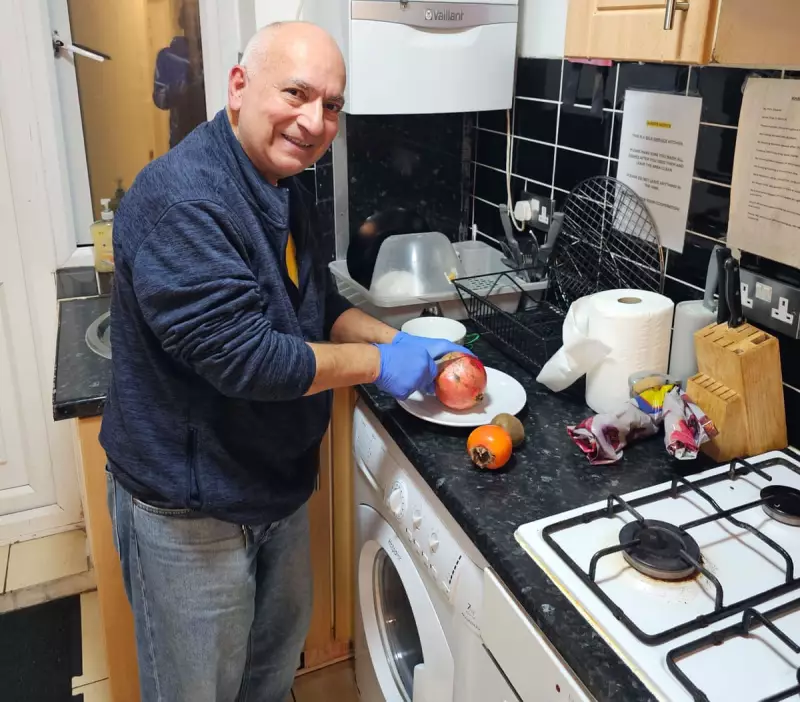
Meanwhile, 68-year-old Andreas Savva faces grimmer prospects. Paying £800 monthly for a mould-infested east London house, his ankylosing spondylitis is worsening in the damp conditions. "I should be retired, but I'm paying rent. I need to keep working," says the Cyprus-born patient transport worker, who was forced into renting after his brother's death. With London one-bedrooms routinely exceeding £1,300, he dreads the inevitable move to shared accommodation.

The Systemic Failure Behind the Crisis
This phenomenon has deep roots in decades of housing policy. The Pensions Policy Institute forecasts private renting among over-65s will nearly treble from 6% to 17% by 2040. Anna Brain of the PPI explains: "The UK pension system is based on the assumption that people reach retirement without housing costs." The right-to-buy policy of the 1980s created a generation of homeowners, but subsequent cohorts face entirely different circumstances.
The financial implications are staggering. Covering rental costs through retirement would require approximately £180,000 extra in pension pots - an impossible sum for many lower-income households. The crisis extends beyond finances to practical living conditions, with just 12% of households headed by someone over 75 having step-free access.
The Human Cost: Discrimination and Displacement
Tamara Kocsubej, a 63-year-old charity worker, experiences the emotional toll firsthand. After flatmates made ageist comments in a previous six-bedroom houseshare, she now anxiously checks her SpareRoom account "all day, every day." Despite wanting community, she finds most prospective housemates in their twenties won't consider living with someone her age. "Every day I check and I wait. That's all I can do," says Kocsubej, who is 146th on a waiting list for affordable housing.
The discrimination extends to property viewings, where 55-year-old paralegal Sarah (name changed) faced repeated rejections. "They may as well have said, 'You're too old,'" she recalls after her beloved bedsit of twelve years was reclaimed by her landlord. She now participates in a care-and-share scheme, providing companionship to an octogenarian in exchange for affordable rent.
Glimmers of Hope in Community Living
Despite the challenges, some find silver linings. Digital marketer Nick Henley founded Cohabitas, a homesharing platform for over-40s, after witnessing his mother's loneliness. "The oldest person I've ever helped find a flatmate was probably 88," he reveals, noting increased demand driven by rent hikes and connection-seeking.
Herring embodies this adaptable spirit: "It's just nice knowing there are bodies around. I've been surrounded by people all my life." Yet her positive outlook can't mask the systemic failure leaving thousands of older Britons in housing precarity, fundamentally redefining what retirement means in modern Britain.