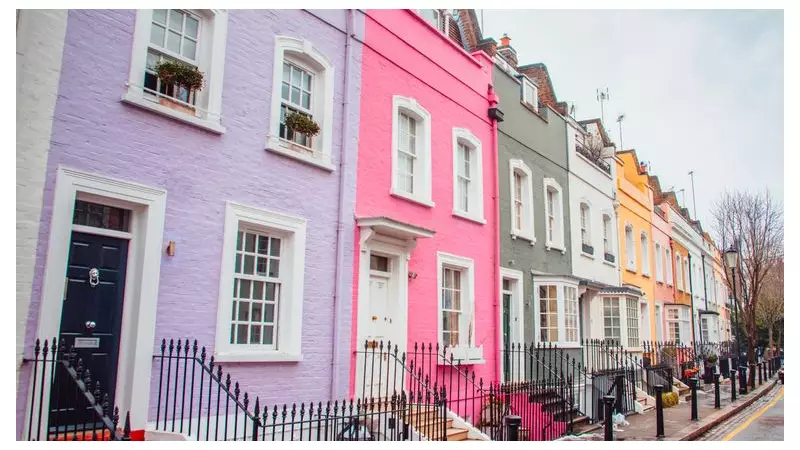
Imagine putting your home on the market, only to find that a neighbour's bold colour choice has become an unexpected barrier to selling. This is the frustrating reality for one homeowner, who reports that a neighbouring property painted in a striking shade of purple has left them unable to secure a single offer, despite similar homes in the street selling quickly. Drivers slow down to gawk, and passers-by laugh, turning what should be a straightforward sale into a consumer dilemma.
Understanding the Legal Landscape for Property Disputes
When faced with such a situation, it's natural to wonder about legal recourse. Unfortunately, homeowners in the UK generally have broad discretion over how they decorate their properties. In most cases, painting a house does not require planning permission, regardless of the colour chosen. However, there are specific exceptions that might apply, as highlighted by Mary-Lou Press, president of the National Association of Estate Agents.
When Planning Permission Might Be Required
According to experts, consent for painting could be necessary under certain circumstances. These include if the property is listed, located within a conservation area, subject to an Article 4 direction that restricts external alterations, or bound by specific conditions in the original planning permission. Homeowners are advised to check with their local planning authority to confirm whether any of these restrictions apply. If consent was required but not obtained, the council may have the power to take enforcement action, though this is not guaranteed.

The Challenge of Proving Nuisance Claims
Another potential avenue is pursuing a claim for statutory or private nuisance. For such a claim to succeed, the issue must unreasonably interfere with the use or enjoyment of your home and cause more than mere annoyance or dislike. Courts and councils rarely consider colour alone to meet this high threshold, making it a difficult path to follow. As Press notes, a bright or unusual colour typically does not qualify as a legal nuisance, so homeowners should manage their expectations accordingly.
Practical Steps and Communication Strategies
Before escalating matters legally, consider a polite conversation with your neighbour. Approach them calmly and avoid implying any unlawful behaviour unless you have confirmation from authorities. This is crucial because if a prospective buyer inquires about neighbourly relations, you must provide an honest answer. Cosmetic disagreements, such as paint colour disputes, do not usually need to be declared on the TA6 form unless they have escalated into a formal dispute.
Working with Estate Agents to Mitigate Impact
If discussions with the neighbour prove unfruitful, lean on your estate agents for support. They can implement practical strategies to draw attention away from the neighbouring property. For instance, improving your home's curb appeal can help focus buyers on the strengths of your own property. Agents can also provide buyers with information that highlights local comparables and the home's positive features. Recording explicit feedback from buyers who cite the neighbour's house as a negative factor can guide your overall sales strategy effectively.
Key Considerations for Homeowners
It's essential to avoid taking any action, such as filing a complaint with the council, without understanding that this may need to be disclosed to future buyers. This could further complicate the selling process. Instead, focus on constructive approaches that maintain good neighbourly relations while addressing the saleability of your home. Remember, this advice is intended as an overview of considerations and not as formal financial guidance.
For those facing similar money problems or consumer disputes, sharing your story can provide valuable insights and support from experts in the field.