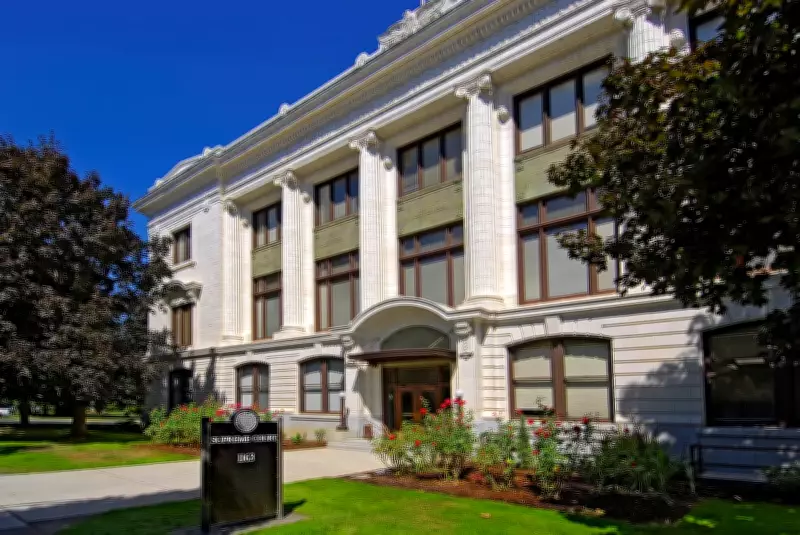
Oregon Supreme Court Ruling on Attorney Shortage: A Legal Crisis
The Oregon Supreme Court has recently delivered a significant ruling that tackles the pressing issue of attorney shortages across the state. This decision comes at a critical time, as many residents face challenges in accessing legal representation, which is essential for upholding justice and fairness in the legal system.
Background and Context of the Ruling
In recent years, Oregon has experienced a growing crisis with a lack of qualified attorneys, particularly in rural and underserved areas. This shortage has led to delays in court proceedings, increased costs for legal services, and barriers for individuals seeking legal aid. The ruling by the Oregon Supreme Court aims to address these systemic problems by implementing new measures and guidelines.
Key Aspects of the Court's Decision
The court's ruling includes several important provisions designed to mitigate the attorney shortage. These measures focus on improving the recruitment and retention of legal professionals, as well as enhancing training and support for new attorneys entering the field. Additionally, the decision emphasizes the need for collaborative efforts between legal institutions, educational bodies, and government agencies to ensure a sustainable solution.

Implications for Legal Services and Access to Justice
This ruling is expected to have far-reaching implications for legal services in Oregon. By addressing the attorney shortage, it aims to improve access to justice for all residents, regardless of their location or socioeconomic status. However, challenges remain in implementing these changes effectively, and ongoing monitoring will be crucial to assess their impact over time.
Future Outlook and Recommendations
Looking ahead, stakeholders in Oregon's legal community are encouraged to work together to support the court's initiatives. This includes investing in legal education, providing incentives for attorneys to practice in underserved areas, and fostering innovation in legal service delivery. The ruling serves as a call to action for a more equitable and efficient legal system in the state.