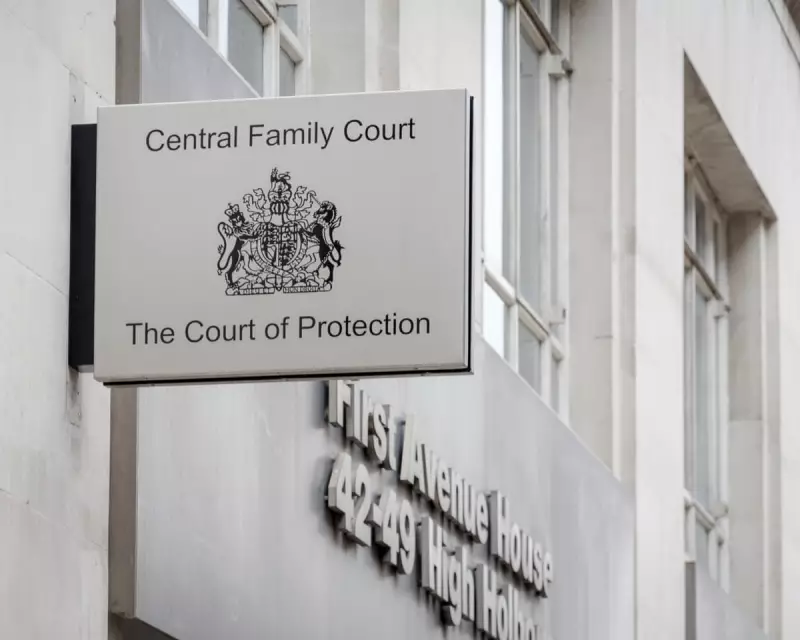
The leading body for barristers in England and Wales has issued a stark warning, demanding an urgent expansion of legal aid for all family court cases involving domestic abuse. This call for reform comes alongside shocking new statistics revealing the scale of the crisis.
A System in Crisis
The Bar Council, representing 18,000 barristers, has published a new policy paper outlining a series of critical recommendations. It highlights that currently, only 15% of families are eligible for legal aid. This severe restriction, combined with a shortage of specialist family solicitors, has created vast legal advice deserts across the UK.
This access-to-justice crisis forces countless individuals to represent themselves in court as litigants in person. The Bar Council stresses that this not only consumes precious court time and resources but can also be a deeply retraumatising experience for victims and survivors of abuse.

The Human Cost Behind the Statistics
Official government data underscores the urgency of the situation. In the year ending March 2024, it is estimated that more than 1.2 million women and over 550,000 men aged 16 to 59 were victims of domestic abuse. A report from the domestic abuse commissioner further revealed that domestic abuse is a factor in nearly 90% of family court cases.
Barbara Mills KC, the Chair of the Bar Council, stated, Violence against women and girls is not a private issue, it is now a public emergency. We know that women and girls are hurt by men who profess to love them in the place they call home.
Proposals for a Survivor-Centred System
The Bar Council's recommendations are comprehensive and aim to create a more effective and compassionate family justice system. Key proposals include:
- Extending legal aid to all family cases involving domestic abuse for both parties.
- Abolishing means testing for alleged victims and survivors.
- Increasing overall legal aid funding for family law.
- Properly financing the rollout of specialist pathfinder courts and Family Drug and Alcohol Courts (FDAC).
- Improving support services for those navigating the family justice system.
Barristers have also raised alarming concerns about the physical state of many courts. Issues cited include victims and alleged perpetrators being forced to share waiting rooms, a lack of privacy in meeting rooms, and some courts having no drinking water or handwashing facilities. A lack of security was also noted, putting both lawyers and clients in danger.
Mills concluded, In its current state, the system cannot function as it should. A long record of underfunding has left a dilapidated and understaffed court estate. Investment is urgently needed to ensure we have accessible, survivor-centred justice.