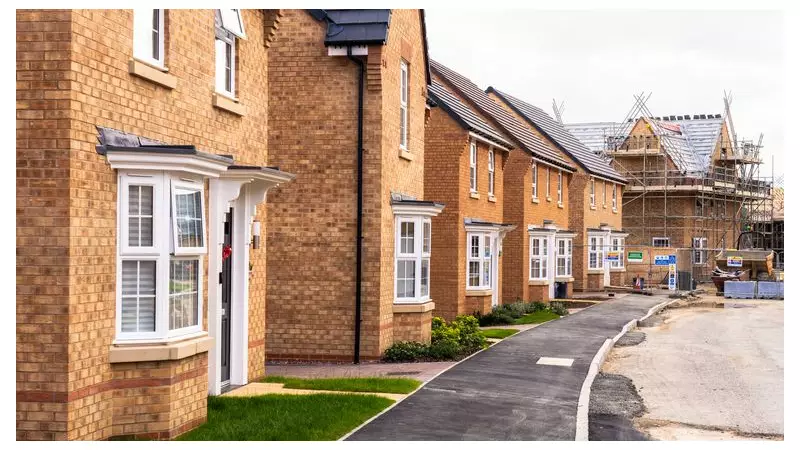
The government has unveiled radical planning reforms that will make it significantly harder to oppose new housing developments located near train stations across England.
What the changes mean for housing development
Under the new rules announced today, housing projects within a 15-minute walk of well-connected train stations will effectively receive automatic approval from planners. This "default yes" approach represents one of the most significant shake-ups to the planning system in recent years.
Housing Secretary Steve Reed, who is scheduled to appear on Sky News' Mornings With Ridge And Frost programme, stated: "I promised we'd get Britain building and that's exactly what we are doing. But it has to be the right homes in the right places and nearby transport links are a vital part of that."

Stronger powers for ministers and councils
The reforms include giving ministers stronger powers to intervene when local authorities delay approving new homes. Councils intending to refuse planning permission for developments containing more than 150 properties will be required to notify the government, effectively giving ministers the final decision.
Additionally, the changes will see some organisations removed from the mandatory consultation list for planning applications. Sport England and The Gardens Trust are among the bodies that may no longer be automatically consulted on proposed developments.
Political controversy and housing targets
The Conservative opposition has criticised the measures, accusing the government of attempting to "railroad through unpopular developments" as Labour strives to meet its ambitious target of building 1.5 million homes by the next election.
Recent figures reveal the scale of the challenge facing the government, with only 231,000 homes built between last year's general election and September 2025. The planning changes involve amendments to the National Planning Policy Framework and could potentially apply to green belt land in certain circumstances.
The reforms mark a significant shift in how housing decisions are made near transport hubs, prioritising housing delivery while raising questions about local community input in the planning process.