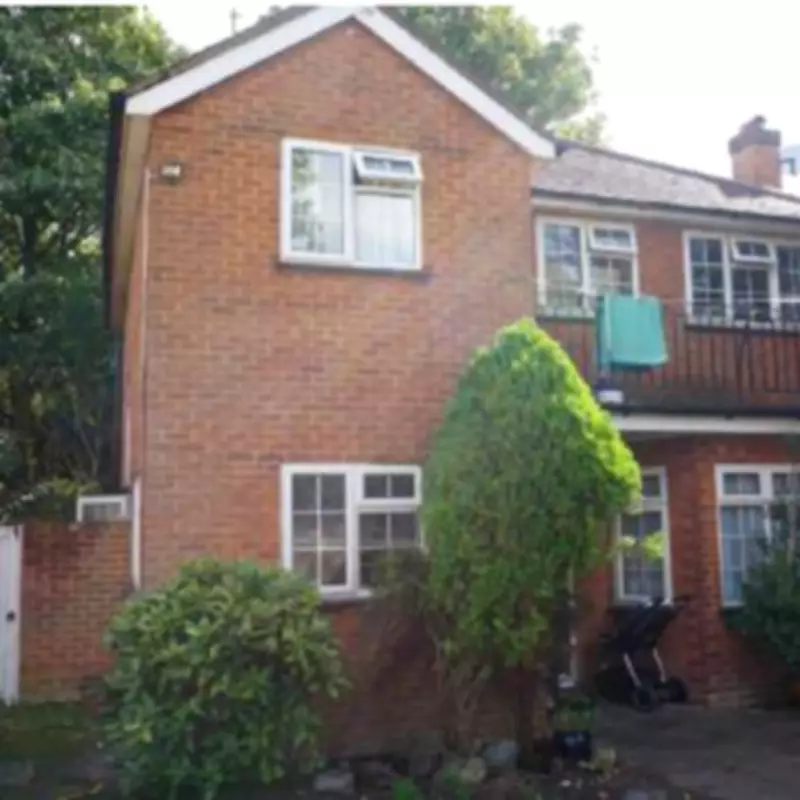
A West London family home in Isleworth is set to be demolished and replaced with a block of seven flats, following approval by Hounslow Council's Planning Committee, despite significant concerns from local residents and councillors over privacy and construction access.
Controversial Plans Approved Amid Objections
The decision, made on Thursday, February 5, 2026, has sparked local debate, with residents voicing strong objections to the development at 51 Thornbury Road. John, a representative for the community, presented six key reasons for rejection, including the loss of a family home, reduced outlook and light for neighbouring properties, and the creation of what he termed a "voyeuristic view" into nearby homes due to the building's height and design.
Privacy and Access Concerns Highlighted
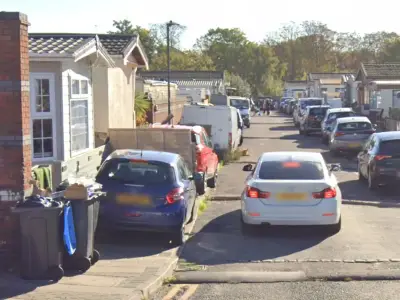
Councillors shared some of these worries, particularly regarding the narrow private driveway that serves as the sole access point to the site. Cllr Tom Bruce, Deputy Leader of Hounslow Council, noted that construction logistics posed a "genuine concern" given the limited entry and exit routes. However, planning officers and the applicant assured that topographic surveys had been conducted to ensure safe access, down to millimetre precision.

Development Details and Compromises
The new block will consist of three two-bedroom flats, two one-bedroom flats, and two studio flats, with two of these units designated as family-sized to partially offset the loss of the original house. In response to feedback, the plans were modified to include increased amenity space, frosted windows to address privacy issues, and a consolidation from two buildings into one.
Sustainability and Procedural Points
Despite the removal of 11 trees, the development aims for an 80 per cent reduction in carbon emissions and a biodiversity net gain, alongside a car-free policy. Procedural concerns were raised by Cllr Tony Louki, who questioned last-minute changes to the plans, though the planning department disputed this claim.
Ultimately, the Planning Committee voted unanimously in favour, balancing the perceived "limited" harm against the benefits of new housing in the area.