Planning Inspectorate Backs Greenwich Council in Tower Block Refusal
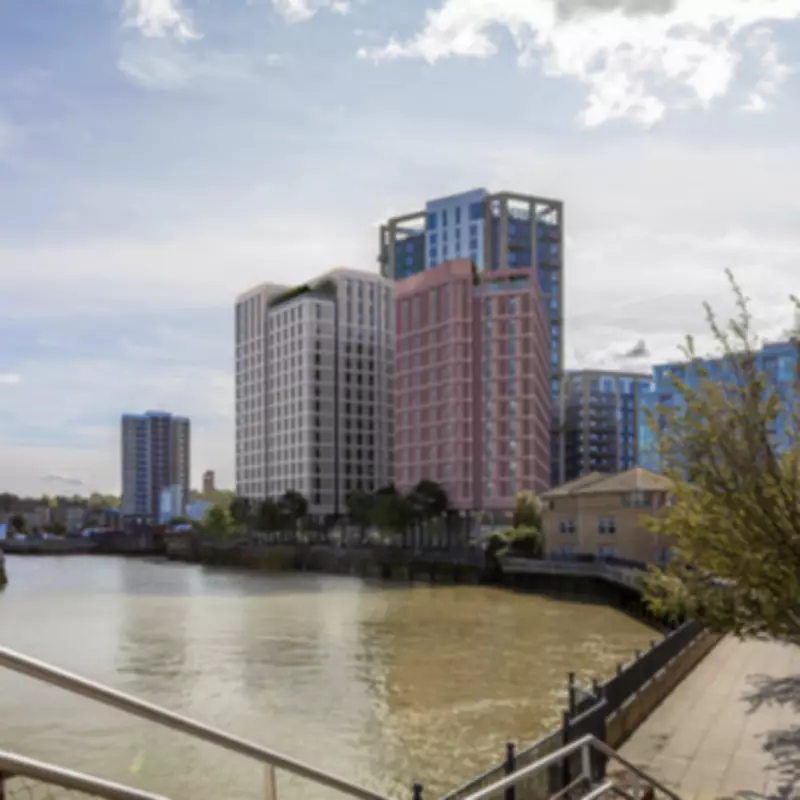
The Planning Inspectorate has firmly upheld Greenwich Council's decision to refuse permission for two high-rise student accommodation tower blocks near Deptford Creek. This decisive ruling comes eight months after the council's initial rejection, with inspectors concluding that the proposed 17 and 13-storey towers would cause unacceptable harm to the visual setting of Greenwich Park and the Maritime Greenwich UNESCO World Heritage Site.
Preserving Historic Greenwich Views
Greenwich Council's Planning Board originally refused the application in June 2025, which sought to demolish three low-rise residential buildings at Greenwich Quay by Clarence Road. The proposal from luxury student accommodation provider YourTRIBE and development firm Redington Capital aimed to construct 590 purpose-built student units across two substantial tower blocks.
Councilor David Gardner expressed significant concerns during the initial decision, stating: "I am concerned about the impact on the views from the National Maritime Museum, One Tree Hill and Lover's Walk, and I think those views are really important. They are part of what makes Greenwich."
Heritage Assessment and Appeal Process
Following the council's refusal, the developers appealed to the Planning Inspectorate, triggering a comprehensive review of the proposal's impact on local heritage assets. The planning inspector conducted detailed assessments from multiple vantage points, including views from the Queen's House at the National Maritime Museum, the historic Cutty Sark, and the Grade I listed Church of St Alfege in Greenwich town centre.
While the inspector acknowledged that some heritage assets would remain visually preserved, they determined that the towers would substantially harm the significance of the National Maritime Museum, Greenwich Park, and the UNESCO World Heritage Site of Maritime Greenwich. The inspector noted that heritage assets represent an irreplaceable resource that must be conserved appropriately according to their significance.
Balancing Development Needs with Heritage Protection
The planning inspector recognized the substantial public benefits associated with the proposed development, particularly the provision of 590 residential units in the borough, including 207 affordable units. These benefits carried significant weight in the overall assessment.
However, the inspector ultimately concluded that the harm to designated heritage assets could not be justified or outweighed by these benefits. The ruling emphasizes the critical importance of protecting London's cultural and historical landscapes from inappropriate development, even when addressing housing needs.
This decision reinforces the protective measures surrounding UNESCO World Heritage sites and establishes an important precedent for future development proposals in historically sensitive areas of London. The case highlights the ongoing tension between urban development pressures and heritage conservation priorities in one of London's most historically significant boroughs.