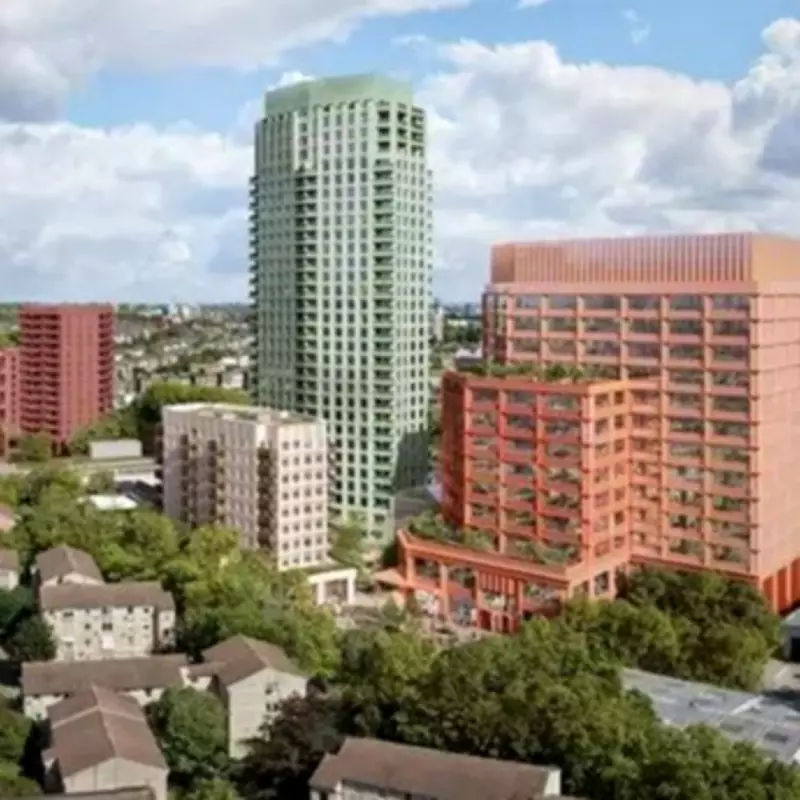
Major King's Cross Regeneration Project Gets Green Light
Camden Council has officially approved a flagship regeneration scheme in King's Cross that will deliver hundreds of new homes while raising significant concerns about blocked sunlight for existing residents. The ambitious project, which received planning permission on Thursday, January 29, represents a substantial redevelopment of post-industrial land at Cedar Way and Camley Street.
Development Details and Housing Mix
The approved plans include six new buildings, with a prominent 31-storey residential tower forming the centrepiece of the development. In total, the scheme will provide 401 new homes, with exactly half of these designated as 'affordable' housing. The affordable portion breaks down into 30% at social rent for households on Camden's waiting list and 20% at intermediate rent specifically for key workers. The remaining 50% of properties will be sold at market value.
Joint developers Ballymore and Lateral have committed to creating approximately 1,000 new job opportunities through what they describe as a "high-tech industrial hub." This will include new laboratory spaces designed to support start-ups and small businesses in the science and technology sectors.

Community Benefits and Economic Opportunities
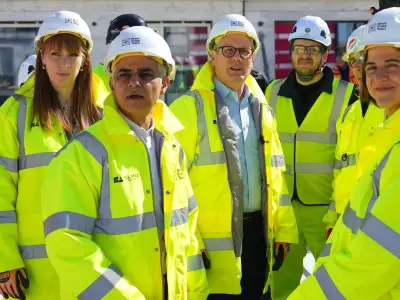
Councillor Nasrine Djemai, Cabinet Member for New Homes and Community Investment, emphasised the scheme's potential to boost local growth and create pathways into "booming" science and tech industries. The project includes commitments to provide school placements, apprenticeships, and training opportunities for local residents.
The regeneration will deliver more than 100 construction apprenticeships, with developers pledging to fill at least 20% of these roles through local recruitment. Additionally, the plans involve creating new commercial space for a maker's market by demolishing several car repair shops currently in poor condition. Camden Council has engaged London-based charity Tree Shepherd to assist displaced garage owners with business relocation.
Controversial Aspects and Resident Concerns
The approval has not come without controversy. Local residents objected to what they described as "overdevelopment" of the area, raising specific concerns about loss of sunlight and privacy. One community group highlighted that the 31-storey tower at Cedar Way appears to breach local planning policy, a concern echoed by City Hall which noted the site was not designated as suitable for tall structures.
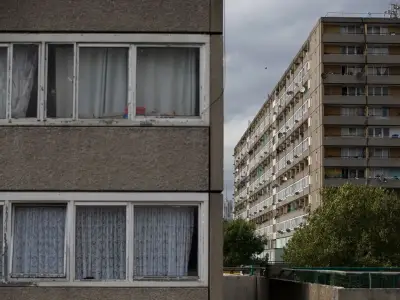
Planning documents reveal that 16 nearby properties will experience significant daylight loss, with the scheme breaching BRE light standards for these homes. Dozens more neighbours face at least some reduction in natural light.
Rail Operator Objections and Council Responses
Network Rail and European freight giant DB Cargo both raised objections to the development, expressing concerns about building residential properties close to an "important" freight yard. The rail operators warned that new residents would likely complain about noise from industrial operations, while also highlighting the potential danger of sunlight reflecting off the new buildings' surfaces and blinding passing train drivers.
Camden Council responded to these concerns by noting that noise assessments had already been conducted, finding that passenger trains would generate more noise than the freight yard operations. The council guaranteed that developers would soundproof the new homes to mitigate existing railway noise. Regarding solar glare, planning officers stated this could be avoided through careful selection of facade materials.
Planning Justifications and Policy Context
The council's planning team acknowledged that several neighbours would experience significant daylight reduction but argued this was an inevitable consequence of developing low-rise brownfield land. Officers maintained that planning authorities have "flexibility" when applying suburban guidelines to urban, inner-city areas like London.

Camden Council stated that its new draft local plan supersedes previous "out-of-date" guidance and that after a "careful" and "rigorous" pre-application process, they determined the impact of additional tall buildings in the area would be acceptable. The authority also emphasised that the redevelopment would reinforce the area as a "strong green corridor" by connecting new developments to the Camley Street Natural Park.
This approval represents a significant milestone in North London's ongoing urban transformation, balancing ambitious housing delivery against legitimate concerns about urban density and resident amenity.