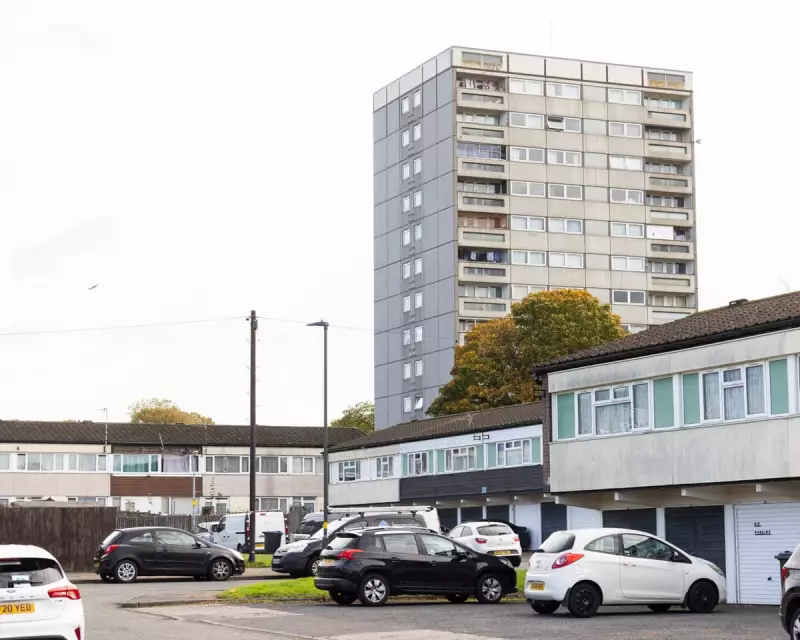
Birmingham City Council has narrowly approved controversial plans to demolish most of the Druids Heath estate, sparking anger and uncertainty among residents who face being displaced from their homes.
Narrow Vote Seals Estate's Fate
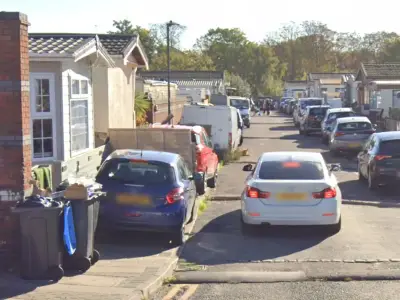
After years of discussions, councillors voted by a majority of just one to grant planning permission for the wholesale redevelopment of the postwar housing estate on Birmingham's southern edge. The decision will see 1,800 homes demolished to make way for 3,500 new properties in a higher density scheme.
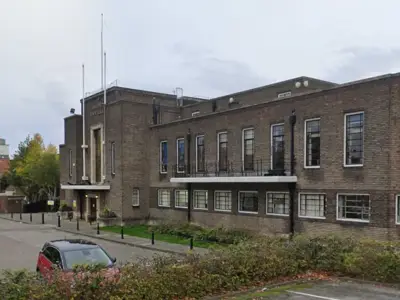
The planning committee meeting witnessed emotional scenes as dozens of Druids Heath residents packed the room and adjoining corridor to voice their opposition. Shouts of "these are our homes" and "it's not enough" echoed through the chamber during the heated debate that ultimately saw the committee split on the decision.

Affordable Housing Concerns Take Centre Stage
According to planning documents, only 400 of the new homes (11%) will be designated as affordable - representing 800 fewer affordable properties than currently exist on the estate. This reduction proved to be the main point of contention for residents and campaigners.
Council officials have insisted they remain committed to eventually delivering 1,785 affordable homes through a partnership agreement with the developer and Homes England. Nicky Brennan, cabinet member for housing and homelessness, stated unequivocally: "The scheme will not go ahead without those remaining affordable homes being delivered."
However, residents remain deeply sceptical, noting that outline planning permission has been granted without this commitment being legally binding. Many fear financial pressures could see the promise reneged upon in future.
Residents Face Uncertain Futures
For homeowners like Xylia Legonas, who was just years away from paying off her mortgage, the news came as a devastating blow. "The first thing I thought: 'Don't tell me you're going to knock my house down'," she recalled of the 2023 door-knock that informed her of the regeneration project. "He basically said yes and I thought: 'What am I going to do? Where am I going to go?'"
All affected homeowners have been offered market value plus 10% for their properties, but many doubt this will enable them to purchase equivalent homes in Birmingham's current property market.
Corin Ennis, who lives with his girlfriend and two-year-old son in a house they bought seven years ago, faces receiving £180,000 for his three-bedroom home. "With the best will in the world, £180k is not going to touch the sides of what these new houses are going to cost," he said. "We're not going to be able to really buy anything for that in Birmingham."
The council has offered shared ownership options for homeowners wishing to return, but many - particularly those who own their homes outright - remain unconvinced by this alternative.
Council Tenants Face Long Wait
For the estate's 1,200 council tenants, including Rita Patel who lives in a specially adapted accessible property, the uncertainty stretches even further into the future. While council tenants have been promised a right to return, Patel's home falls within one of the project's final phases, meaning she could face a 15-20 year wait.
"I could be living here in a building site for a very long time, with the looming thought of eventually having to move," she explained. "My life is getting harder as I'm getting older - 10 years ago I had a lot more energy than I do now. So it's going to be a massive upheaval for me."
Broader Regeneration Pattern Emerges
Druids Heath represents just one part of Birmingham's wider regeneration ambitions, with other areas including Ladywood, Digbeth and the city's markets also earmarked for large-scale demolition projects.
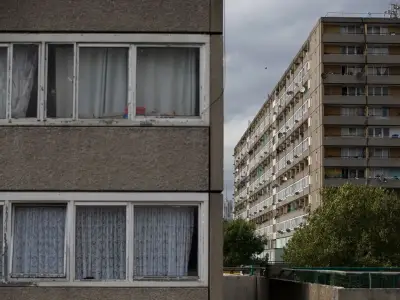
The estate itself sits on one of Birmingham's highest points and contains the city's most deprived neighbourhood. Built in the 1960s as the country's biggest industrialised housing scheme, the area has seen little investment since its construction.

While most residents acknowledge that change is needed, many question whether wholesale demolition represents the best approach. Campaigner Jayne Murray from a local arts centre argued: "Investment is a completely different thing to demolition. It is really extreme and harmful."
As Birmingham moves forward with its ambitious regeneration plans, residents like Rita Patel are left questioning the fundamental purpose: "What are you building? Who are you building it for? And are you building communities or are you just building houses?"