London is witnessing a dramatic and potentially costly mismatch in its commercial property market, with the start of new office construction plunging to its lowest level in over two decades just as corporate demand for workspace intensifies.
A Skyline of Contrasts
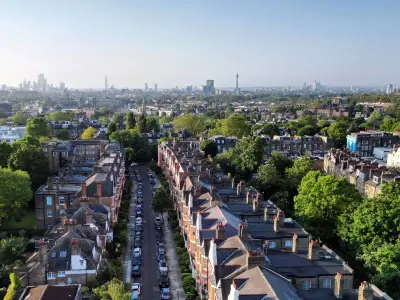
The view from landmarks like Alexandra Palace may still be dotted with cranes, but the reality on the ground tells a different story. According to the latest data from real estate analytics firm CoStar, new office construction starts in London fell to just 3.1 million square feet in 2025. This represents a sharp 35% drop from the previous year and marks the lowest volume of new beginnings since 2004.
Patrick Scanlon, CoStar's Senior Director of Market Analytics, points to a challenging economic climate. "Persistently high borrowing, construction and labour costs, along with prolonged economic uncertainty, have caused developers to pause for breath," he explains. The total office space currently under construction in the capital now stands at 15.6 million sq ft, the smallest pipeline since the pandemic severely disrupted the market in 2020.

Soaring Demand Amid a Supply Squeeze
This steep decline in new development is occurring against a backdrop of robust and growing demand from businesses. Research compiled for City AM by property consultancy JLL estimates that current office demand in central London has reached 13.4 million square feet. This staggering figure is equivalent to more than ten towers the size of 22 Bishopsgate, the City's tallest building, and sits 36% above the long-term average.
Jeremy Attfield, Head of City Office at JLL, describes a rapid "flight to quality." He states, "Companies are paying premium rents for high-quality spaces in central London because these locations deliver measurable advantages: access to skilled workers, enhanced productivity through in-person teamwork, and professional environments that support client relationships." This demand is being led by the banking, finance, and professional services sectors, which account for two-thirds of all active requirements.
The Two-Tier Market and Future Outlook
The supply crunch is creating a stark divide in the market. While premium, modern buildings with strong environmental (ESG) credentials are highly sought after, older stock is struggling. James Strevens, Head of City Leasing at BNP Paribas Real Estate, warns, "A growing proportion of London’s office stock is at real risk of obsolescence. Buildings that don’t meet modern standards are becoming increasingly difficult to let."
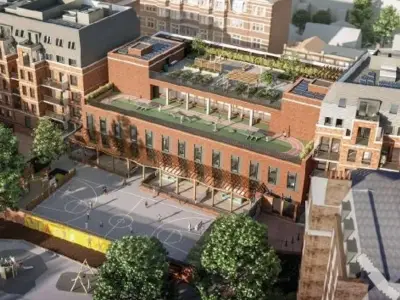
This dynamic is also driving a surge in refurbishment projects, with 3.9 million sq ft of lettings signed for refurbished offices in central London during 2025. "Well-located, secondary buildings with 'good bones' that are priced realistically can still appeal to cost-conscious tenants," adds Strevens.
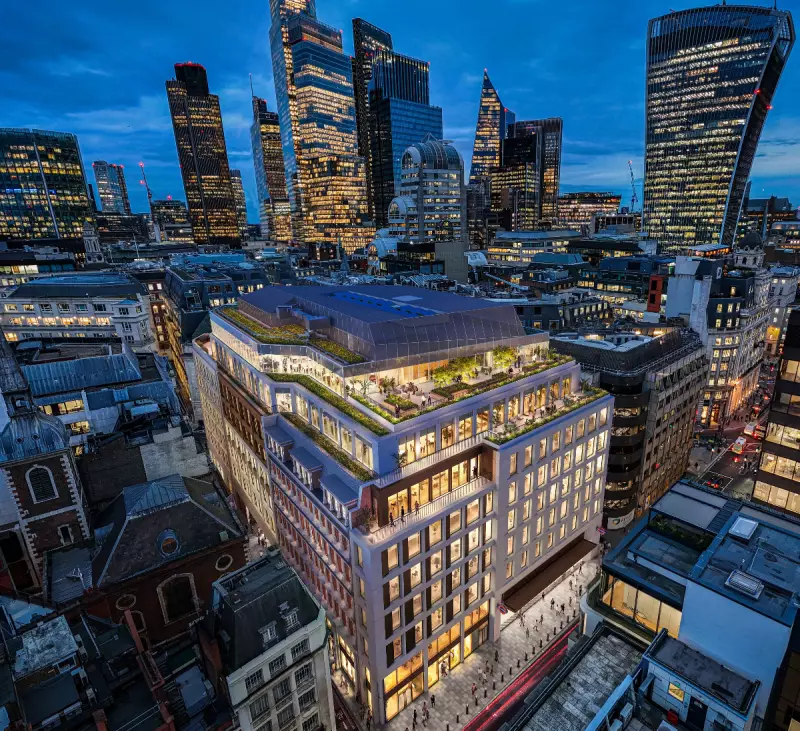
Prominent upcoming developments like the £300m 10 King William Street project, designed by Fletcher Priest for developers Helical and TfL's Places for London, are being closely watched by would-be tenants. Matthew Bonning-Snook, CEO of Helical, notes the "significant competition" for the best space due to the limited new pipeline.
There may, however, be light on the horizon. CoStar's Patrick Scanlon observes early signs that 2026 could see a rebound in new construction, spurred by strengthening tenant demand and falling borrowing costs, suggesting the capital's skyline may soon see more activity.