A colossal regeneration project that promises to transform a derelict West London site into a vibrant new district with thousands of homes has cleared a crucial planning hurdle.
Unanimous Approval for a New Neighbourhood
The first half of the ambitious £10 billion Earl's Court scheme was unanimously approved by Hammersmith and Fulham Council's Planning and Development Committee on November 26. This portion of the project, located within the borough, will see the construction of approximately 2,500 new homes on the long-dormant 40-acre site, which was once home to the iconic Earl's Court Exhibition Centres.
Rob Heasman, Chief Executive of the Earl's Court Development Company (ECDC), heralded the decision, stating the designs honour the area's legacy as a place that "dared – to showcase, to entertain and celebrate the spectacular". A second planning application for the remainder of the project is currently with the neighbouring Royal Borough of Kensington and Chelsea Council, with a verdict expected in December.
Cinema, Music Venue and a Sky-High Tower
The approved hybrid application includes both detailed and outline proposals that will radically reshape the skyline and local amenities. The detailed plans feature:
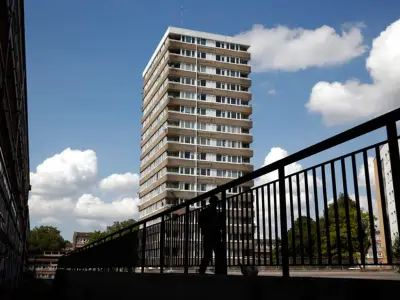
- Four buildings reaching up to 42 storeys in height.
- 456 new homes and 696 student accommodation rooms.
- A variety of food, drink, and retail spaces.
The outline proposals, which will require further approval, envision an additional 2,044 homes, housing for older persons, and a suite of community facilities. Key highlights include a new cinema and a live music venue, reviving the area's historic role as an entertainment hub.
In total, the full cross-borough project aims to deliver:
- 4,000 homes.
- 2.5 million square feet of workspace.
- Up to 12,000 new jobs.
Of the homes approved in Hammersmith and Fulham, 35% will be designated as affordable. While this falls short of the council's 50% target, officers confirmed this level was independently assessed as the maximum reasonable provision.
Community Reaction and Next Steps
The scheme has generated significant local interest, with 391 representations submitted to the council. While the majority (269) were in support, 74 objections were raised, primarily concerning the height and density of the proposed buildings, particularly the 42-storey tower, as well as design impacts on heritage.
Despite some opposition, local councillors spoke in favour of the project at the meeting. Councillor Daryl Brown stated it "represents a major investment in the future of this borough" and acknowledged that "communities don't stand still".
With this critical approval secured, the focus now shifts to the Kensington and Chelsea decision. If the entire project gets the green light, construction will be phased, with an expected completion date of early 2043, finally bringing life back to one of London's largest and most prominent brownfield sites.