UK Government Unveils Draft Housing Guidelines Emphasising Green Spaces and Community Design
The UK government has released new draft planning guidelines that advocate for green spaces, community amenities, and heritage preservation to become standard features in all new housing developments across England. The proposed framework, known as the Design and Placemaking Planning Practice Guidance, aims to elevate the quality of new neighbourhoods by integrating nature, local history, and essential services into residential projects.
King's Cross and Other Developments Highlighted as Models
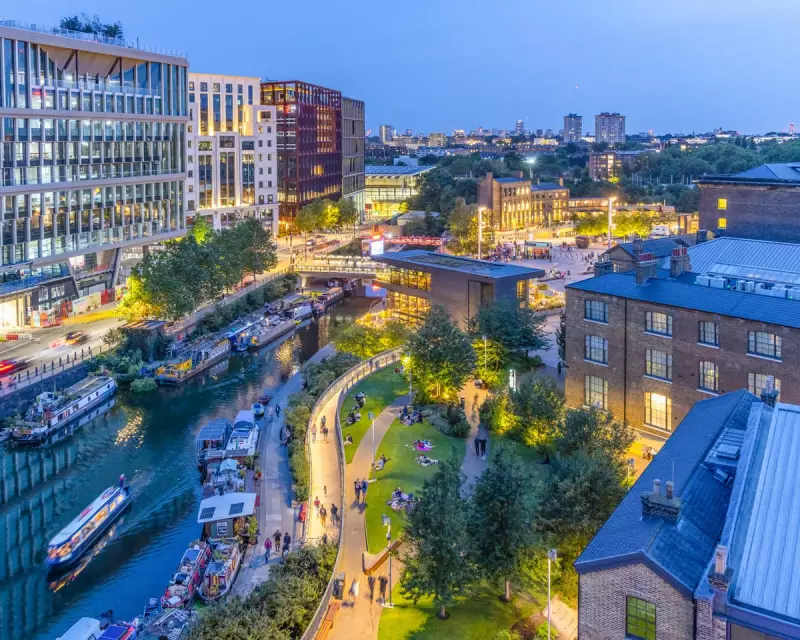
According to the draft guidance, exemplary projects such as King's Cross in London could serve as a blueprint for future housing developments. This area has successfully transformed industrial buildings into vibrant shops, restaurants, and public spaces, while blending social and private housing with schools, care homes, and access to a revitalised canal and nature reserve. Similarly, Temple Gardens near Bath has been praised for restoring a historic pub alongside new homes, reflecting the government's vision for community-focused development that honours local identity and landscape.
Other notable developments referenced in the guidelines include Kampus in Manchester and the Malings in Newcastle upon Tyne, both cited as examples of how new housing can foster a sense of place and connectivity. The guidelines stress that housing should ideally feature shops, schools, public transport, and possibly pubs within close proximity, alongside green spaces and nature access, to create sustainable and attractive communities.

Criticism Over Lack of Mandatory Requirements
Despite the ambitious vision, the guidelines have faced criticism from environmental experts due to their non-mandatory nature. The draft does not impose compulsory requirements, leaving developers free to ignore the recommendations. Anna Hollyman, co-head of policy and places at the UK Green Building Council, acknowledged that the plans recognise the need to integrate liveability with climate mitigation and nature but argued they fall short of addressing the urgent challenges highlighted in recent national security assessments on ecosystem collapse.
Rachel Hackett, a planning and development manager at the Wildlife Trusts, echoed these concerns, calling for more robust regulations. She emphasised that nature-friendly design measures, such as swift bricks and hedgehog highways, will only make a significant impact if they are made mandatory for all developments. Hackett pointed to years of optional guidelines that have coincided with ongoing nature decline, urging the government to adopt a bolder approach to embed nature firmly into housebuilding rules.
Guidelines Aim to Streamline Planning and Boost Sustainability
The guidelines are intended to assist local authorities in setting design codes for new homes in their areas, potentially making it easier for developers who adhere to the standards to obtain planning permission. Housing and Planning Minister Matthew Pennycook stated that exemplary development should become the norm, ensuring new homes and neighbourhoods are well-connected, sustainable, and built to last.
In addition to promoting green spaces and community amenities, the guidelines advocate for provisions to protect against flooding, which is increasingly prevalent due to the climate crisis. However, the government has yet to publish its long-delayed future homes standard, which is expected to mandate solar panels, heat pumps, and high insulation standards on nearly all new homes, with an anticipated release early this year.
Overall, while the draft guidelines represent a step towards more sustainable and community-oriented housing, the lack of enforceable measures raises questions about their effectiveness in driving meaningful change across the UK's property development sector.