Toledo's Housing Crisis: How LLCs Turned Affordable Homes Into Nightmares
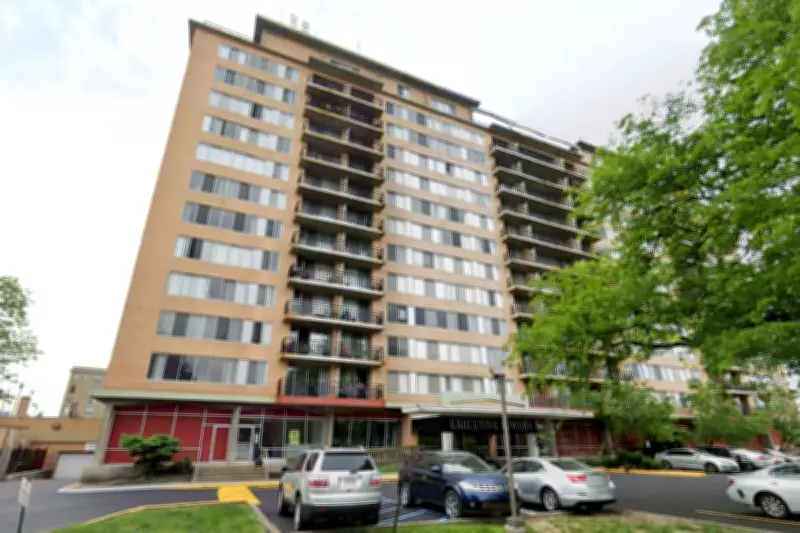
Executive Towers in Toledo, Ohio once represented urban luxury living with its gym, swimming pool, and heated underground parking. Built in 1963 by a premier luxury apartment constructor, its prime location near downtown Toledo and surrounding neighborhoods made it a desirable residential destination.
Kwiona Sprott moved into Executive Towers with her teenage son last July, paying $851 monthly for what promised to be an ideal living situation. "I was excited because they advertised a gym, swimming pool, laundry facilities, vending machines, and proximity to my job and my son's school," she explains.
From Promise to Disrepair
Today, Executive Towers stands as a symbol of neglect. The building's 12 stories feature rusted orange balconies and a deteriorating entryway facade. The parking lot remains covered in ice and crushed snow days after major winter storms. Inside conditions prove even more troubling.

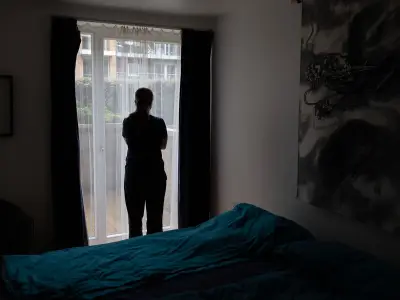
Sprott, who works at a group home for people with developmental disabilities, describes her six-month tenancy as a nightmare. "None of the gym equipment functions, and the pool is completely unusable," she reports. More alarming are the water leaks from air conditioners and radiators that have created standing water in her dining room and her son's bedroom. The soaked carpet remains unreplaced, and mold odors emanate from the radiators.
The property, containing over 140 units, belongs to M1M6 Executive Towers Holdings LLC, with mailing addresses in Indiana and Colorado. This limited liability company connects to corporations including Monarch Investment and Management Group, which faces allegations of illegally charging tenants fees at properties it owns in Minnesota.
Investor Invasion in Toledo
As home ownership becomes increasingly unattainable for working-class Americans, international and out-of-state investors have targeted Toledo, a regional city on Lake Erie's shore. These entities purchase homes en masse, pricing out local residents like Sprott.
More than 3,000 Lucas County properties have been acquired by LLCs based in countries including Saudi Arabia, Australia, and Israel. Last April, the Wall Street Journal identified Toledo as "ground zero" for Wall Street property investors. By December, Realtor.com ranked Toledo as the nation's fourth-best housing market for 2026, with median house prices jumping 13.1% year-over-year.
For Toledo residents, their city has transformed from an affordable, family-friendly community into an inflated investment property destination. This shift exemplifies the broader housing crisis affecting smaller U.S. cities, exacerbated during and after the COVID-19 pandemic as investors priced out of expensive coastal markets sought new opportunities.
Economic Context and Consequences
Toledo, like many industrial American cities, suffered severely during the 2008 Great Recession. Tens of thousands of automotive and manufacturing jobs disappeared over two decades, prompting resident exodus and leaving thousands of homes vacant for years.
Today, Toledo's median household income stands at $49,724, more than $30,000 below the national average. With an owner-occupied housing rate barely exceeding 53%, Toledo trails significantly behind similarly-sized cities nationwide.
Meanwhile, Toledo's unhoused population continues growing, with shelters reporting full capacity during recent Arctic weather conditions. "Residents keep hearing we have the hottest housing market for two consecutive years, yet they struggle to survive," says Theresa Gadus, a Toledo city councilmember. "Toledoans have experienced 43% rent increases since 2021 while our unhoused population has doubled. The widening gap between wages and rent makes the American Dream unattainable for most residents."
Legal Battles and Automated Neglect
Noah Woods, a staff attorney at Toledo's Fair Housing Center, asserts that out-of-state property investors and speculators like those owning Executive Towers have significantly worsened the situation. The Fair Housing Center's litigation against property companies on behalf of tenants surged from 20 cases in 2023 to 74 last year.

One company, SFR3, which operates property company American Ave, utilizes multiple LLCs that have purchased over 100 Toledo properties according to Lucas County auditor records. "These companies rely heavily on automated systems to reduce overhead," Woods explains. "But these systems prove completely ineffective when tenants receive unexpected charges that can escalate to hundreds of dollars if unpaid."
Woods continues: "Tenants face impossible choices: pay unreasonable amounts or risk eviction because they cannot reach a live person. This creates a direct path to eviction court."
Resident Resistance and Rising Costs
Sprott, whose family migrated north from Alabama during the Great Migration over a century ago, contacted Denizen Management, the property management company, requesting repairs for water leaks damaging her apartment's carpet. In January, she and other Executive Towers residents took Denizen Management to court over alleged failure to address water penetration issues.
Compounding her problems, Sprott's monthly water bill has skyrocketed to over $200. "My bill keeps escalating—increasing by $50 every month," she says. "I don't earn substantial income, and these extra fees consume my paycheck."
Sprott left her previous residence due to the owner's refusal to repair broken items, but finds herself trapped. "Finding decent housing with promised amenities in this neighborhood, close to my job, proves extremely difficult," she explains. "Since I don't drive, I essentially need to remain here."
This investigation reveals how housing in America's most affordable cities increasingly falls beyond reach for working residents. The second part will examine the investors systematically pricing out Toledo's working-class population.