Renters Demand Minimum Standards as Heatwave Exposes Housing Crisis
Housing advocacy groups across Australia are intensifying their calls for guaranteed minimum standards for rental properties, with a particular focus on ensuring homes remain habitable during extreme summer heatwaves. As temperatures soar to record-breaking levels, tenants are finding themselves trapped in properties that offer little protection from the elements.
Living in 'Glorified Tents'
The organisation Healthy Homes for Renters describes many rental properties as 'glorified tents' that become unbearably hot in summer and freezing in winter. This inadequate housing forces tenants to spend significantly more on energy as they struggle to maintain basic comfort levels. The situation has become particularly acute during the current severe heatwave affecting multiple states.
Personal Stories Highlight Systemic Failure
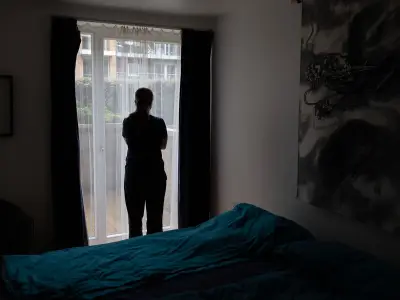
Melissa Fisher's experience in Elizabeth Vale, Adelaide, illustrates the human cost of inadequate housing standards. During South Australia's hottest January 26th on record, with overnight temperatures remaining at 31°C, Fisher found herself confined to her bedroom - the only space with any cooling capability. Her small, eight-year-old window air conditioning unit, purchased second-hand for approximately $30, provides minimal relief.

'My house is concrete walls inside and brick walls outside, with a tin roof,' Fisher explains. 'Once it heats up, it stays hot for days. I don't cook at all - I'm surviving on cereal and sandwiches.'
Fisher's situation is complicated by a skin condition that reacts badly to heat, making her living conditions particularly hazardous during extreme weather events.
Nationwide Heatwave Exposes Inadequate Housing
The current heatwave affecting multiple Australian states has brought the issue of inadequate rental standards into sharp focus:
- Victoria is preparing for temperatures potentially reaching 49°C in areas like Ouyen and Mildura
- New South Wales has extreme heatwave warnings in place, with some regions expecting temperatures in the high 40s
- South Australia has already experienced record-breaking heat, with more extreme conditions forecast
This widespread extreme weather is exposing how many rental properties fail to provide basic protection from temperature extremes.
Advocacy Groups Push for Legislative Change
A coalition of organisations including the Australian Council of Social Service, Better Renting, and Healthy Homes for Renters is calling for federal government intervention. They want funding and support for states and territories to enforce minimum energy performance standards in rental properties.
Pas Forgione, coordinator of the Anti-Poverty Network SA, emphasises the urgency of the situation: 'Across South Australia, renters, especially those on the lowest incomes and those with chronic health conditions, are suffering from unhealthy, poor-quality homes that are scorching in summer and freezing in winter.'
A 2024 report by Better Renting found that rental homes often become hotter than outdoor temperatures, sometimes exceeding World Health Organization safety limits for indoor environments.
Political Responses and Legislative Efforts
The South Australian government points to what it describes as 'the most significant reforms to rental laws and the most significant investment in public housing stock in a generation.' A spokesperson highlighted a $35.8 million investment to deliver energy-related improvements to over 3,000 public homes, with many new builds meeting a 7-star energy rating.
However, legislative efforts to establish minimum standards have faced obstacles. The Residential Tenancies (Minimum Standards) Amendment Bill 2024, introduced by Greens MLC Rob Simms, failed to pass despite aiming to establish basic liveability standards for rental properties. Simms plans to reintroduce the legislation after the March election, arguing that 'a lot of the things we were proposing were no-brainers' that responsible landlords should already be providing.

The Human Cost of Inaction
For tenants like Melissa Fisher, the lack of minimum standards has real consequences. To offset air conditioning costs, she avoids using heating entirely during winter months. She advocates for mandatory minimum standards for heating and cooling, along with solar panel installation to reduce energy costs.
'I know some people who don't have air conditioning at all,' Fisher reveals. 'I've said 'come over and sit in my bedroom.''
As Australia faces increasingly frequent and severe heatwaves due to climate change, the call for guaranteed minimum standards in rental properties grows more urgent. Housing advocates argue that without legislative intervention, vulnerable renters will continue to suffer in homes that fail to provide basic protection from extreme weather conditions.