New government statistics have laid bare a deepening crisis in England's housing system, revealing a sharp increase in the number of children growing up without a permanent home. The latest quarterly figures, published in October, show the situation has deteriorated significantly over the past year.
A Record Number of Young Lives in Limbo
The data confirms that more than 172,000 children were living in temporary accommodation in England at the end of June 2024. This staggering figure represents an 8.2% rise compared to the same period last year. The number of households in this precarious situation has also soared, now exceeding 130,000 across the country.
Matt Downie, chief executive of the homelessness charity Crisis, responded to the figures with dismay. He stated that society has become "totally accustomed to seeing record levels of children growing up in temporary accommodation," a reality he described as tragic. Downie emphasised the profound daily impact, noting these are "children with no space to play, no place to do homework, no safe, stable place to call home."

The Human Cost Behind the Statistics
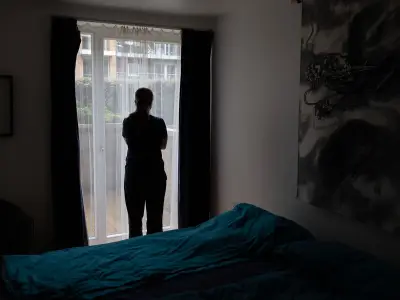
While the numbers paint a stark picture of systemic failure, they cannot capture the individual stories of disruption and stress experienced by families. Life in temporary accommodation—which can include hostels, bed and breakfasts, and other short-term housing—often forces families to live in cramped, unsuitable conditions far from their support networks.
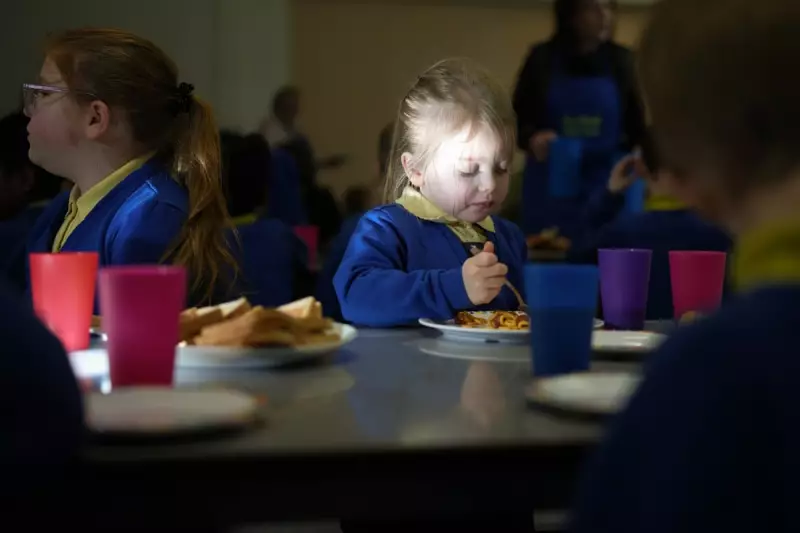
The instability can severely disrupt children's education, forcing them to change schools or endure long commutes if they are moved away from their original catchment area. The lack of a quiet, personal space to study and rest can hinder academic progress and affect emotional wellbeing and development.
Seeking First-Hand Experiences from Affected Parents
To better understand the national picture and the real-world consequences of this crisis, The Guardian is calling on parents across the UK to share their experiences. The publication is keen to hear from those currently living, or who have lived in the last two years, in temporary accommodation with children.
They are asking families to detail how long they have been in this situation and the impact it has had. Key questions include whether moves have separated children from their schools or relatives, and what effects the instability has had on education, wellbeing, and family life.
Contributors are invited to share their stories anonymously via a secure, encrypted form. The Guardian assures that all data provided will be used solely for this feature and that personal information will be deleted when it is no longer required. Alternative methods of contact, including WhatsApp and a Secure Messaging service, are also available for those wishing to participate.