Greens Challenge NSW Planning Laws for Berry Farms
The Greens in New South Wales are taking a stand against what they describe as a "deliberate massive carve-out" from planning regulations that benefits blueberry and other berry farms. According to the party, these agricultural operations can establish themselves across the state without needing council approval, leading to significant friction with local communities and authorities.
Proposed Legislation to Empower Local Councils
Cate Faehrmann, a Greens member of the NSW Legislative Council, is set to introduce a private member's bill next week. This legislation aims to grant councils enhanced powers to regulate the rapidly expanding berry industry, particularly on the mid-north coast. The move comes in response to growing concerns from residents and local governments about environmental hazards and land devaluation linked to intensive horticulture.
"People move into these beautiful valleys for the lifestyle and the environment but then wake up one day and within months they are looking at an industrial-scale blueberry farm," Faehrmann stated. She highlighted the inconsistency in planning rules, noting that while individuals must apply for council approval to erect a carport, berry farms can install hectares of infrastructure without notifying neighbours or seeking permission.

Environmental and Community Concerns
The bill calls for several key measures to address the impacts of berry farming:
- Mandated buffer zones between intensive horticulture farms and residential areas or waterways.
- Strict controls on chemical spraying, runoff, and irrigation practices.
- Increased monitoring of produce for pesticide residues.
- Greater regulatory authority for local councils over blueberry farm developments.
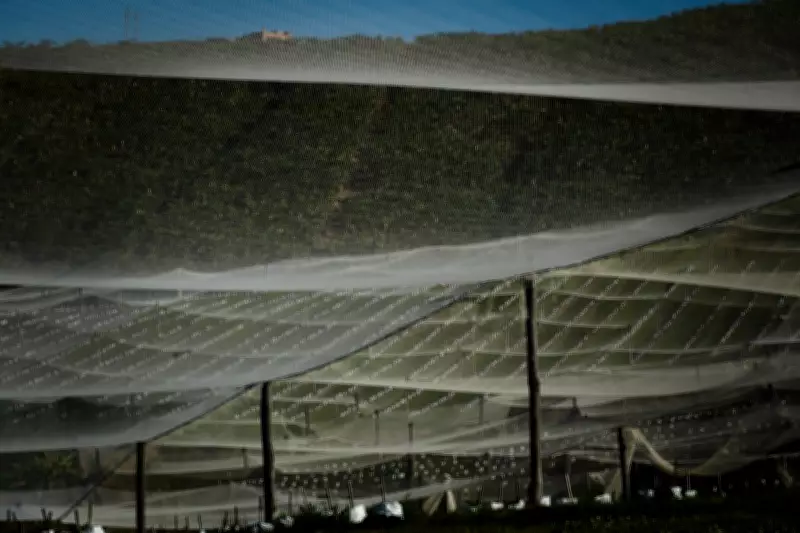
These proposals follow a recent legal setback for Coffs Harbour council, which lost a case in the NSW Land and Environment Court. The council had issued a stop-work order against raspberry farmers constructing polytunnels without development approval, arguing they constituted farm buildings. However, the court ruled in favour of the farmers, stating the structures were part of "intensive horticulture" and did not require consent under local planning laws.
Industry Expansion and Local Opposition
Blueberry farming, which originated around Coffs Harbour decades ago, is now spreading into neighbouring regions like the Nambucca Valley, Kempsey, Grafton, and Bellingen. This expansion has sparked alarm among locals such as photographer Zahn Pithers, who expressed dismay at the transformation of rural landscapes.
"It devalues the land because no one wants to live next to a blueberry farm – except another blueberry farm," Pithers remarked. He raised specific concerns about a large farm near Warrell Creek and South Beach National Park, questioning the effects of spray drift and runoff on waterways used for fishing and recreation.
While the NSW Environment Protection Authority has conducted some monitoring, detecting low levels of pesticides in local creeks, it concluded water quality was not significantly impacted. Nonetheless, Nambucca Valley council has sought to amend its Local Environment Plan to require development approvals for blueberry farms, though the planning department rejected an initial proposal citing insufficient evidence.
Government Stance on Farming Regulations
State Planning Minister Paul Scully acknowledged that councils can propose changes to their planning instruments to regulate horticulture. However, he cautioned against overly restrictive measures, emphasising the need to balance environmental protection with support for modern agricultural practices.
"Requiring mandatory development applications across all rural zones would hinder efforts to reduce regulatory burdens and support modern farming practices across NSW," Scully explained. He warned that excessive controls could delay farm upgrades, deter investment, and create uncertainty for landholders seeking to improve their operations.

Separately, the state Labor government is considering an inquiry into alleged worker exploitation in the berry industry, particularly involving Pacific Australia Labour Mobility scheme participants. This adds another layer to the ongoing debate about the sustainability and ethics of NSW's booming berry sector.