The recent budget announcement of a new 'mansion tax' by Chancellor Rachel Reeves has unleashed a torrent of media sympathy for a select group of affluent homeowners, starkly highlighting the disparity in attention paid to different housing crises across Britain.
The levy, estimated to affect around 165,000 property owners of homes valued over £2 million, has prompted a chorus of complaints in broadsheet newspapers and on airwaves. Yet, this outcry stands in sharp contrast to the muted response afforded to countless other Britons grappling with severe, tangible housing problems.
The Chorus of Affluent Discontent
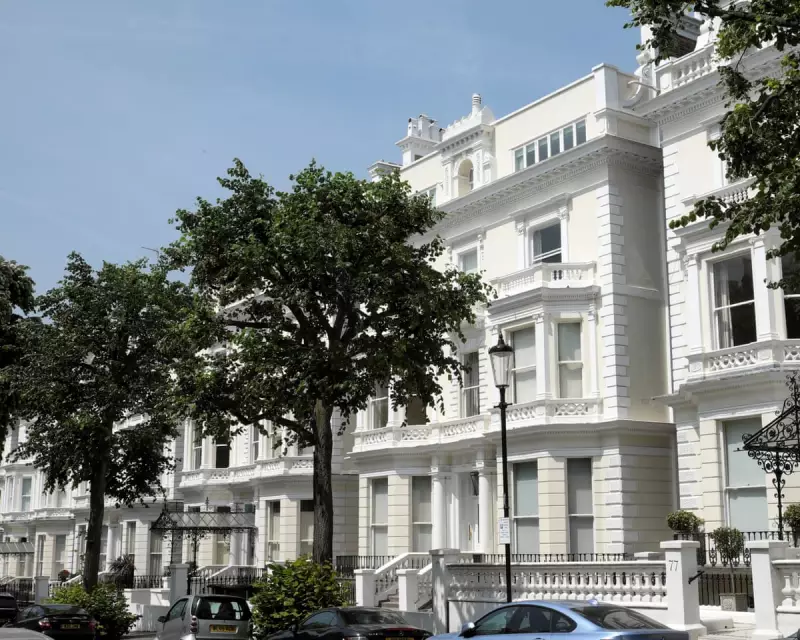
National newspapers have provided a platform for those facing the new council tax surcharge. The Telegraph quoted Philippa from Kensington, who fears the charge on her two mews houses will "wipe me out". Paul, a Cobham homeowner with a £2.5m property, told the same paper his retirement plans are now in havoc.

Meanwhile, the Times featured Mark, a Wimbledon-based property investor struggling to sell his £9.5m house, lamenting "almost no viewings in the last five or six months". The Sun framed the policy as a threat to "grannies being forced to sell up".
This narrative found a vocal champion in television presenter Kirstie Allsopp. On BBC Radio 5 Live, she argued that owners of expensive homes are national benefactors, "maintaining them" and "improving the gardens", thus preserving the picturesque streets that attract tourists. Her comments subtly painted wealthier, typically older homeowners in London and the South East as custodians of the economy.
A Deafening Silence Elsewhere
While media microphones cluster in Kensington and Cobham, a very different housing story unfolds with little national fanfare. On the Henford estate in Tyldesley, Wigan, residents are enduring a living nightmare.
Since summer, developer PLP has been constructing four vast logistics warehouses just metres from their homes and gardens. The 18-metre-high structures will block light and overlook a local primary school. Residents already report cracks in houses, flooded gardens, and the constant roar of around 250 lorries working 24/7.
Despite a 10,000-signature petition and relentless work by a local action committee, their plight has attracted scant national coverage. Wigan council insists no planning rules were broken and rejected a call for a temporary pause, fearing legal action. The residents, as one columnist wryly noted, perhaps "should have taken better care of their gardens" to merit attention.
The Real Housing Crisis Beyond the Headlines
The disparity in coverage underscores a broader structural issue. The furious debate over a £2,500 tax—which can often be deferred until sale—consumes oxygen needed for more urgent matters.
Across the UK, genuine housing injustices persist away from the spotlight:
- Students in York have seen rents nearly double in six years.
- New homeowners in Darlington are stranded on unfinished estates after a developer halted work.
- Elderly residents in Southend protest neglect in their sheltered housing, reporting at least eight lift breakdowns in a year.
This is not merely a failure of circumstance but a triumph of a system that amplifies certain voices over others. The reaction to the mansion tax poses a revealing question: who gets to shape the national conversation on housing? The answer, it seems, depends heavily on your postcode and your property's value.
The tax itself is a modest step, barely scratching the surface of the UK's profound wealth inequality. Yet, the furious response it has elicited from a privileged few, and the platforms readily given to them, exposes a deep imbalance in whose hardship is deemed newsworthy and whose is met with indifference.