London's Cladding Nightmare: A Path Forward for Unsafe High-Rises
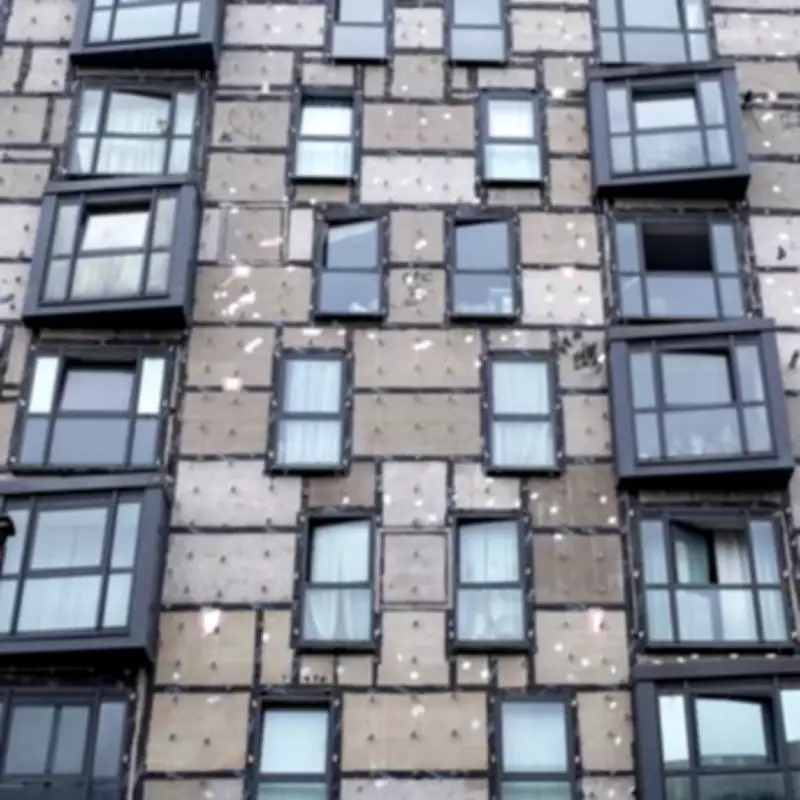
Londoners trapped in unsellable and unsafe high-rise buildings with dangerous cladding may finally see relief as new reforms aim to accelerate repair works. The Building Safety Regulator (BSR), which oversees higher-risk buildings across the UK, has unveiled a targeted package of measures designed to streamline both remediation projects and approvals for new residential developments.
Addressing Critical Bottlenecks in Building Safety
Established in the aftermath of the Grenfell Tower tragedy in 2017, the BSR has faced significant criticism for prolonged approval delays and insufficient practical guidance for developers. Mayor of London Sadiq Khan has been particularly vocal, describing the regulator's "botched implementation" as a "disaster" that has hindered new home delivery, making it "more difficult, slow and uncertain."
These delays have disproportionately impacted London, where 61% of England's high-rise buildings are located and 96% of new constructions are flats. "The BSR therefore made it harder and costlier to build flats over six storeys and deliver critical remediation works," Mayor Khan emphasized last year.

Strategic Leadership and Operational Reforms
Both government ministers and City Hall officials believe the appointment of Lord Roe, former commissioner of the London Fire Brigade, will help unlock bottlenecks in remediation and development nationwide. The newly announced reforms include:
- Recruiting additional case leads to manage workload more effectively
- Allowing projects to commence safely while resolving distinct technical issues during implementation
- Providing new guidance for the external remediation process
- Establishing a specialist external remediation multidisciplinary team
Officials anticipate these measures will facilitate quicker dispute resolution between the BSR and developers while improving application standards to minimize paperwork-related delays.
Ambitious Targets for Remediation Progress
The overarching objective is to reduce average decision times for remediation applications to less than 12 weeks, achieving an approval rating exceeding 65%. Lord Roe, who chairs the BSR, stated: "This plan represents a targeted and achievable package of measures to reset the system and clear older legacy remediation cases."
He further explained: "By doing so and then focusing on more recent applications, we can ensure high-rise residents see essential safety improvements they deserve without unnecessary or further delays."
Addressing Systemic Challenges
BSR officials have acknowledged that internal resource constraints and a backlog of non-compliant applications have slowed progress on older, more complex cases. Charlie Pugsley, Acting CEO of BSR, commented: "Collectively these measures will ensure current and future remediation applications can proceed as smoothly and quickly as possible."
Pugsley emphasized: "By launching a dedicated multidisciplinary team and introducing account managers, we are dramatically increasing our capacity to make faster decisions. But speed cannot come at the cost of safety. We will also publish further specific guidance and support to help industry submit higher-quality applications, ensuring thousands of residents can feel safe, and are safe in their high-rise homes."
London's Disproportionate Burden
Ministers have mandated that landlords must either remediate or establish completion dates for all residential buildings over 11 meters with unsafe cladding nationwide by 2029, facing severe penalties for non-compliance. However, Mayor Khan recently cautioned that "it will be some time" before substantial progress materializes in the capital.
"In London alone, we have more than double the amount of dangerous buildings than the rest of the country put together," he revealed during a People's Question Time event in Greenwich. "This is a London problem."
London residents confined to unsellable and hazardous high-rise properties now await whether these regulatory reforms will genuinely expedite their prolonged experiences with cladding delays, bringing much-needed resolution to one of the city's most pressing housing safety crises.