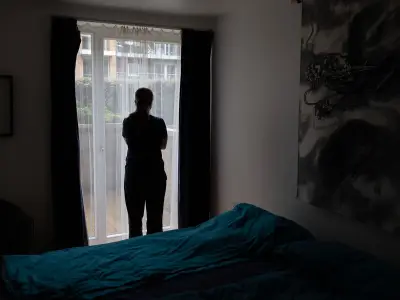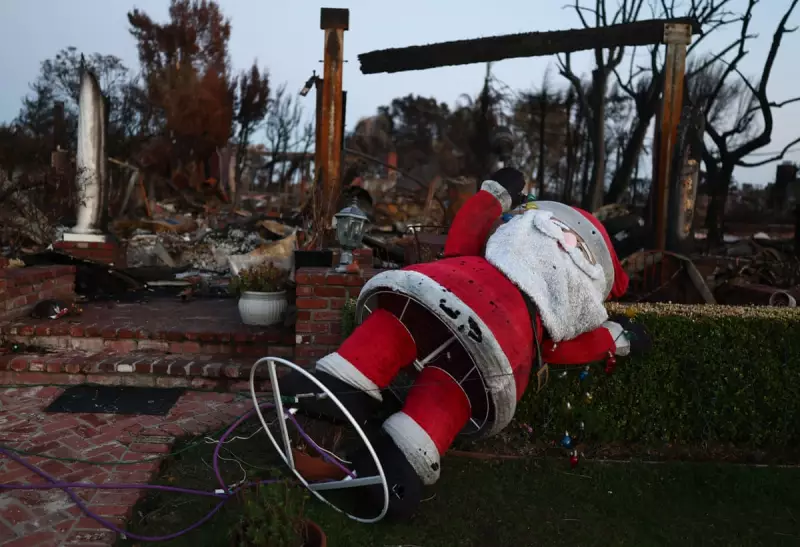
Hundreds of families who lost everything in a catastrophic Los Angeles wildfire are preparing for a bleak and emotionally fraught Christmas, still living in temporary accommodation with no clear timeline for permanent housing.
A Season of Loss and Uncertainty
The fire, which tore through neighbourhoods in late October 2025, left a trail of destruction, consuming over 2,000 structures and displacing thousands of residents. For survivors like Maria Gonzalez, the festive season is a stark reminder of all that was lost. Her family's home was completely destroyed, and they now reside in a government-provided temporary housing unit, a far cry from their cherished family home where they celebrated decades of Christmases.
"We try to put up a few decorations for the kids' sake, but it doesn't feel like Christmas," Gonzalez shared. "The tree, the ornaments, the stockings – they're all ash. We're just going through the motions." This sentiment is echoed throughout the temporary housing sites, where community workers report widespread anxiety, depression, and a sense of profound dislocation among residents.

The Slow Grind of Recovery
Local authorities and disaster relief agencies acknowledge the immense challenge. While immediate emergency shelters were set up efficiently, the transition to longer-term solutions has been frustratingly slow. Clearing debris and toxic materials from burned lots is a monumental task, delaying the start of reconstruction for many. Insurance claim processing has also been a major bottleneck, with complex policies and disputes over coverage leaving families in financial limbo.
Community organiser David Chen, who is coordinating volunteer efforts, notes the dual crisis. "There's the physical rebuilding, which will take years. But right now, during the holidays, the emotional rebuilding is even more urgent. People are reliving their trauma." Support groups and counselling services have seen a significant uptick in requests for help as the holidays amplify feelings of grief and loss.
Glimmers of Community Hope
Amid the gloom, stories of resilience and community support offer small beacons of hope. Local churches, charities, and unaffected neighbours have organised gift drives, communal meals, and festive events specifically for the displaced families. A donated community Christmas tree now stands in the central area of one of the largest temporary housing complexes, decorated with handwritten messages of hope and resilience from survivors.
"It's about creating new memories, however small," said Reverend Alisha Thompson, who helped organise a toy donation event. "We can't replace what was lost, but we can show these families they are not forgotten, especially at Christmas."
However, for most, the overarching reality remains one of waiting. The promise of a new home feels distant, and the path to normalcy is long. As one survivor put it, "Christmas this year isn't about celebration. It's about endurance, and hoping that next year will be different." The disaster's shadow will linger long after the last Christmas light is taken down, marking a painfully slow journey from survival to recovery.