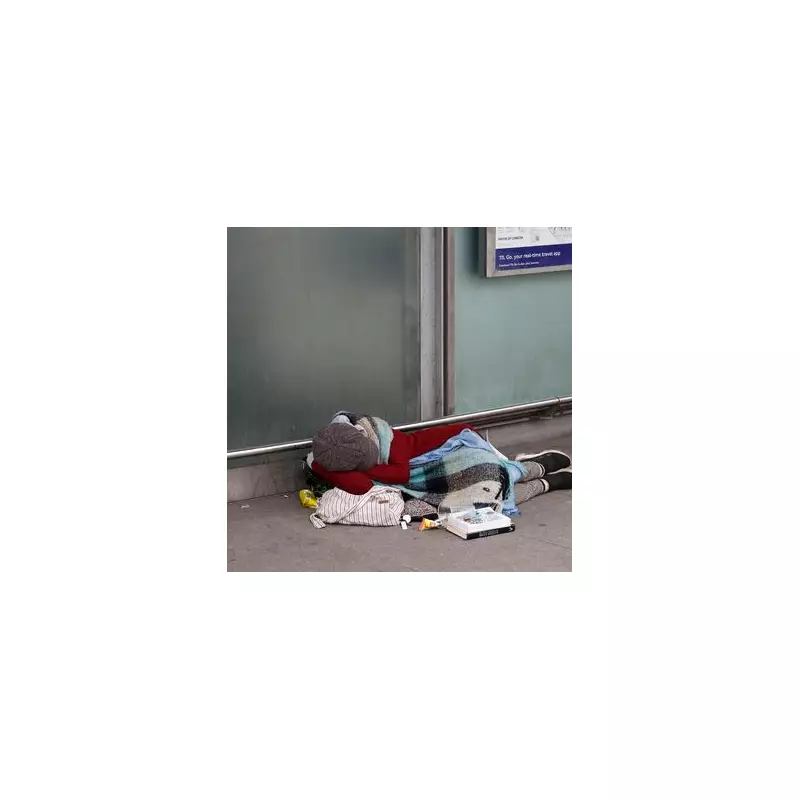
Homelessness Budget Triples in London's Second-Smallest Borough
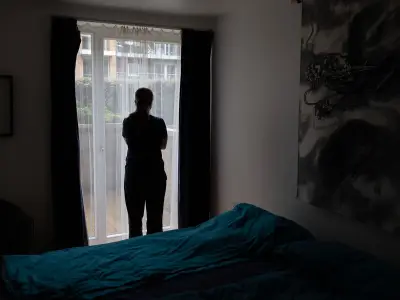
Islington Council has been forced to triple its spending on homelessness services in just one year, as London's housing crisis intensifies. Official data reveals the borough's budget for emergency housing and homelessness prevention skyrocketed from £5 million to £15 million between April 2024 and April 2025.
Spiralling Demand for Temporary Accommodation
The dramatic increase follows a huge spike in demand for temporary accommodation within the densely populated borough. During the 2024/25 financial year, the number of households placed in temporary accommodation reached a peak of 1,778.
More broadly, the council's overall spending on homelessness prevention has increased more than sixfold in three years. Figures show expenditure grew from £1.8 million in 2022/23 to £11.6 million by April 2025.

Council Claims Success Despite Soaring Costs
Despite the staggering financial figures, Islington's chief housing officer insists the borough's aggressive approach has yielded positive results. Ian Swift, Director of Housing Operations, recently told councillors that Islington should be "proud" of its preventative work.
Mr Swift highlighted that the borough's efforts have helped "stem the tide" of applications for temporary accommodation, despite Islington having the sixth-highest demand in London. The borough now reports lower levels of homelessness and fewer households in temporary accommodation than many other London authorities.
Those who do require temporary housing in Islington are spending less time there compared to the London average, according to council statements.
London's Wider Homelessness Crisis
The situation in Islington reflects a broader emergency across the capital. A recent report from charity Crisis revealed that London has become seven times more reliant on temporary housing than in 2020, with homelessness across the city rising by 35% since that year.
Mr Swift acknowledged that numbers are "still going up in the wrong direction" and described the situation as a "dramatic and real" crisis. He also warned of knock-on effects, noting that "homelessness and the lack of affordability doesn't just affect housing: it affects children's and adult's social care."
Comparative Spending and Housing Statistics
Despite the substantial budget increase, Islington spends a smaller percentage of its overall budget on homelessness than some neighbouring boroughs. The council allocates 1.8% of its total budget to homelessness services, compared to roughly 3% in Newham.
This difference is reflected in housing statistics, with data from Trust for London showing 5.6% of Newham households are in temporary accommodation, compared to 1.7% in Islington.
However, Islington does send more households to be housed by other local authorities than the London average, with 90% of these placements remaining within the city.
Council Determination Amid Resource Challenges
Councillor John Woolf, Executive Member for Homes and Neighbourhoods, emphasised the council's commitment despite mounting challenges. "In Islington, we're determined to ensure that everyone has a safe, decent place to call home," he stated.
"We work tirelessly to house those most in need. This is more challenging than ever before as we've seen a significant increase in the number of people experiencing homelessness at a time when our resources are stretched to the limit."
The council has had some success in combating rough sleeping, with Islington maintaining one of the lowest numbers of people sleeping rough in the country. In 2024, the authority was awarded £8.1 million to fund rough sleeping services - the fifth largest amount for any council in England.
However, the challenge remains substantial, with rough sleeping in Islington doubling from 85 to 162 people between 2023 and 2024. The borough is set to receive an additional £750,000 from the government's recently announced £84 million uplift fund for homelessness and rough sleeping.

With a population of 223,024 people and ranking as the second most densely populated borough in England and Wales after Tower Hamlets, Islington continues to face significant pressure in addressing one of London's most pressing social issues.