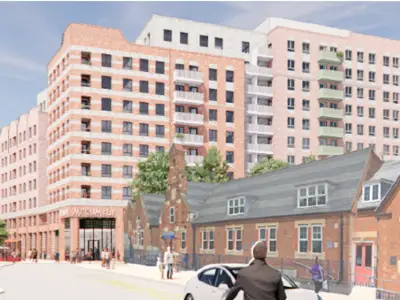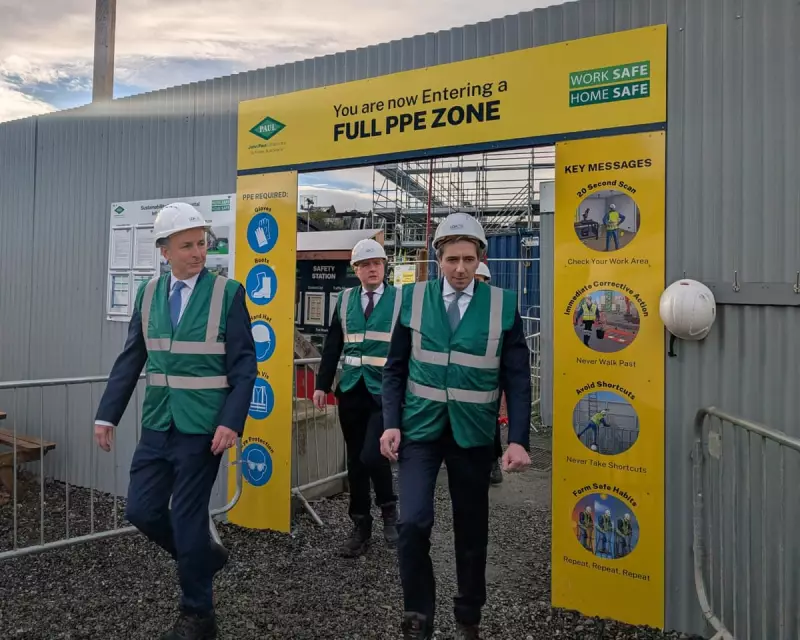
The Irish government has declared an unprecedented offensive against the nation's housing crisis, revealing plans to construct 300,000 new homes within a five-year timeframe. This radical initiative, announced by Housing Minister Darragh O'Brien, represents the most ambitious housing programme in modern Irish history.
The comprehensive strategy, titled 'Housing for All: A New Housing Plan for Ireland', aims to dramatically increase supply and make homeownership attainable for a generation currently locked out of the property market. The government has committed to delivering an average of 60,000 homes annually from 2026 through 2030.
A Multi-Faceted Approach to Construction
The plan outlines a detailed, multi-pronged strategy to achieve its staggering targets. A significant portion of the new homes will be delivered through state-backed construction projects, with local authorities and approved housing bodies playing a central role. The government is also implementing new measures to accelerate planning permissions and remove bureaucratic bottlenecks that have historically delayed construction.

Minister O'Brien emphasised that the plan is not merely about quantity but also about creating sustainable, well-connected communities. The strategy includes provisions for essential infrastructure, including schools, healthcare facilities, and public transport links, to be developed alongside new housing estates.
Tackling Affordability and Social Housing
At the heart of the new policy is a direct confrontation with the affordability crisis. The plan mandates that a substantial percentage of the new builds will be designated as affordable and cost-rental properties. This is a direct intervention aimed at middle-income earners who struggle to compete in the private rental market or secure a mortgage for a home.
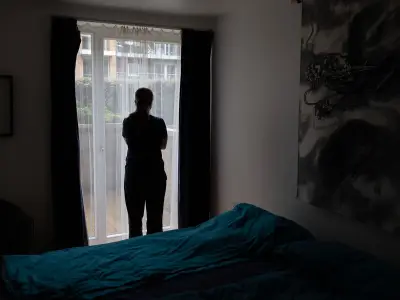
Furthermore, the social housing waiting list, which has been a source of significant public concern, is set to be addressed through the allocation of tens of thousands of new social homes. The government has stated that this will provide secure tenancies for families and individuals currently in emergency accommodation or on lengthy waiting lists.
The announcement has been met with a mixture of optimism and scepticism. While industry bodies have welcomed the government's ambition, some opposition politicians and housing charities have questioned whether the construction industry has the capacity to deliver on such a scale, given existing labour and material shortages.
The Economic and Social Imperative
The housing crisis has been identified as the single biggest domestic challenge facing Ireland, impacting everything from workforce mobility to international competitiveness. The government argues that this massive investment in housing is not just a social necessity but an economic imperative.
By increasing the overall housing stock, the plan aims to ease upward pressure on rental prices and house prices, which have soared in recent years. Success would mark a turning point for a country where stories of bidding wars and overcrowded rental viewings have become commonplace.
The Department of Housing will now begin the complex task of implementing the plan, with the first annual targets due to be assessed in 2026. The success or failure of this bold strategy is likely to define the political legacy of the current government and shape the lives of countless Irish citizens for decades to come.