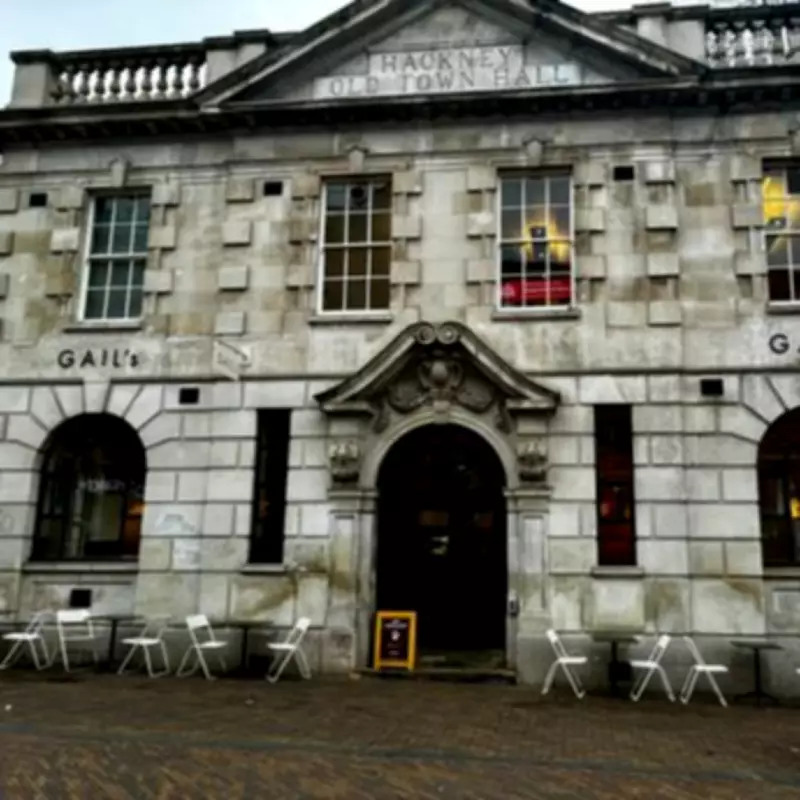
Gail's Bakery Arrival in Hackney Central Marks Gentrification Milestone
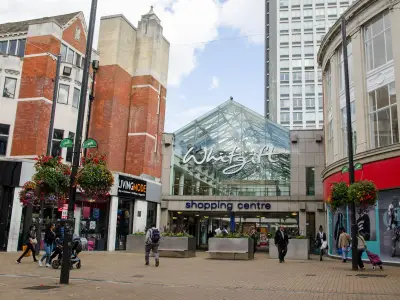
When a Gail's bakery opened its doors in Hackney Central's Narrow Way, it was immediately labeled the 'Final Boss' of gentrification by local residents and observers. For MyLondon reporter Ayo Oluwalana, who grew up in the area, this development signaled the completion of a long and complex transformation process that has reshaped the borough over the past decade.
From Deprivation to Destination
Hackney has historically been one of London's poorest boroughs, with deep-rooted socioeconomic challenges. According to the English Indices of Deprivation Report 2025, a staggering 64 percent of children in Hackney live in income-deprived households. As recently as 2019, Hackney ranked as the 22nd most deprived local authority in England, reflecting decades of economic hardship and limited opportunities for residents.
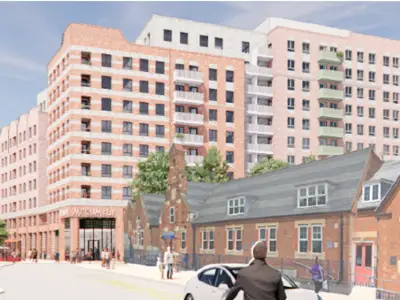
The 2012 Olympics served as a catalyst for change, triggering what many describe as a 'clean-up' of the area. New housing developments began appearing wherever land was available, particularly in Hackney Wick and Shoreditch, which rapidly transformed into trendy destinations. Hackney Central and Dalston initially resisted this wave of change but eventually succumbed to the pressures of urban renewal and rising property values.

The Gail's Phenomenon
For many Londoners, the arrival of a Gail's bakery represents a definitive marker of gentrification. While the chain already operates two locations in Hackney—in Victoria Park and Stoke Newington—the opening of a third branch in Narrow Way surprised even longtime residents familiar with the area's evolution.
The Narrow Way location occupies a site with a rich commercial history, having previously housed a pub, betting shops, and a bank before becoming home to the Hackney Castle establishment. When Ayo returned from traveling in August 2025 and encountered the transformed space, now featuring Gail's distinctive branding, the experience prompted him to share a video on TikTok that quickly garnered over 160,000 views.
Public reaction to the bakery's arrival has been mixed but largely incredulous. Comments on social media platforms reflect widespread surprise, with one user noting, 'I used to live in Hackney and the Narrow Way is no place for a Gail's!' Another observer remarked, 'Once a Gail's appears, it's over and mission accomplished,' capturing the sentiment that this development represents a point of no return in the area's transformation.
The Gentrification Debate
Gentrification, defined as the process by which poorer urban areas become wealthier through an influx of more affluent residents and businesses, remains a contentious issue in London. While surface improvements—such as better amenities, cleaner streets, and enhanced safety—are generally welcomed, the displacement of working-class communities raises serious concerns about social equity and cultural preservation.
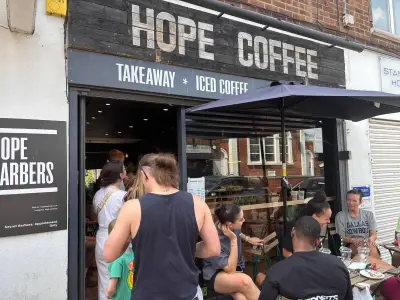
The proliferation of cafes and artisan bakeries replacing traditional establishments like Percy Ingles bakeries and builders' cafes illustrates this tension. As independent businesses struggle to compete with well-funded chains, and rising rents push out long-term residents, the character of neighborhoods undergoes fundamental change.
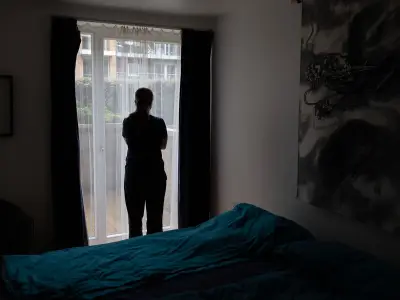
Ayo notes that Hackney now feels increasingly divided between wealthier newcomers and poorer residents who have managed to remain despite escalating costs. This socioeconomic stratification raises questions about who truly benefits from urban renewal and whether the improvements come at too high a social cost.
Looking Ahead
The durability of Gail's presence in Hackney Central seems assured, given the chain's financial resources and strategic positioning. As property values continue to rise and demographic shifts accelerate, independent businesses may find it increasingly difficult to survive, potentially leading to further homogenization of the commercial landscape.
Within five years, Gail's could become an established fixture in Hackney's community, not through organic integration but through the gradual pricing out of alternatives. This scenario highlights the complex dynamics of urban change, where visible improvements often mask deeper transformations in community composition and accessibility.

The arrival of Gail's in Hackney Central serves as both a symbol and symptom of London's ongoing gentrification processes. While it represents economic investment and physical improvement, it also underscores the challenges of preserving community identity and ensuring inclusive development in rapidly changing urban environments.