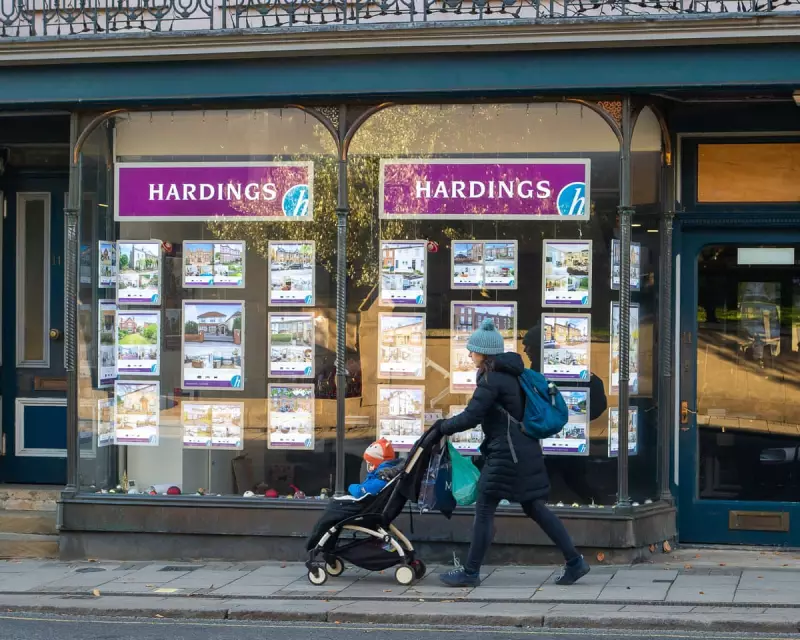
Fresh data released as December begins paints a picture of a cooling UK economy in the lead-up to the Chancellor's Autumn Budget. The housing market showed clear signs of stagnation while consumers tightened their belts on the high street.
Property Market Hits a Pause
According to the latest figures from lender Halifax, UK house prices were broadly unchanged in November. The average property price held steady at £299,892, marking a significant slowdown from the 0.5% monthly increase recorded in October.
On an annual basis, the rate of growth also decelerated sharply. Prices in November were just 0.7% higher than the same month last year, a notable drop from the annual inflation rate of 1.9% seen in October.
Amanda Bryden, Head of Mortgages at Halifax, commented on the findings. She stated that this price consistency reflects one of the most stable years for the housing market in the last decade. Bryden noted that property values remained steady despite changes to Stamp Duty in the spring and pre-Budget uncertainty.
A Silver Lining for First-Time Buyers
While the stagnation may disappoint existing homeowners, Halifax highlights a significant benefit for new entrants to the market. Affordability is now at its strongest level since late 2015 when comparing property prices to average incomes.
Furthermore, even accounting for today's higher interest rates, mortgage costs as a share of income are at their lowest point in around three years. This shift offers a potential window of opportunity for those looking to take their first step onto the property ladder.
High Street Spending Fails to Ignite
Parallel data from the business advisory service BDO reveals a similar story of economic caution among UK consumers. Its survey found that in-store sales grew by a meagre 1.3% in November.
This weak growth occurred despite the potential boost from Black Friday promotions. Crucially, the figure is well below the current rate of inflation, meaning the volume of goods actually sold saw a significant decline. Shoppers were effectively buying less, even if their total spend was slightly higher.
Economic Agenda in Focus
The release of these key UK indicators was part of a broader economic data schedule for Friday, 1st December. The day's agenda also included:
- German factory orders data for October.
- The UN food commodities price index.
- US PCE data, the Federal Reserve's preferred inflation measure.
- The University of Michigan consumer confidence report.
Together, the Halifax and BDO reports provide compelling evidence that economic momentum was waning as the year approached its close. The flatlining housing market and cautious consumer behaviour suggest households are feeling the prolonged pressure from higher living costs and borrowing rates.