Residents in the affluent London borough of Richmond have expressed mixed reactions to Chancellor Rachel Reeves's announcement of a new council tax surcharge on high-value properties, dubbed a 'mansion tax' by critics.
Not Mansions But Family Homes
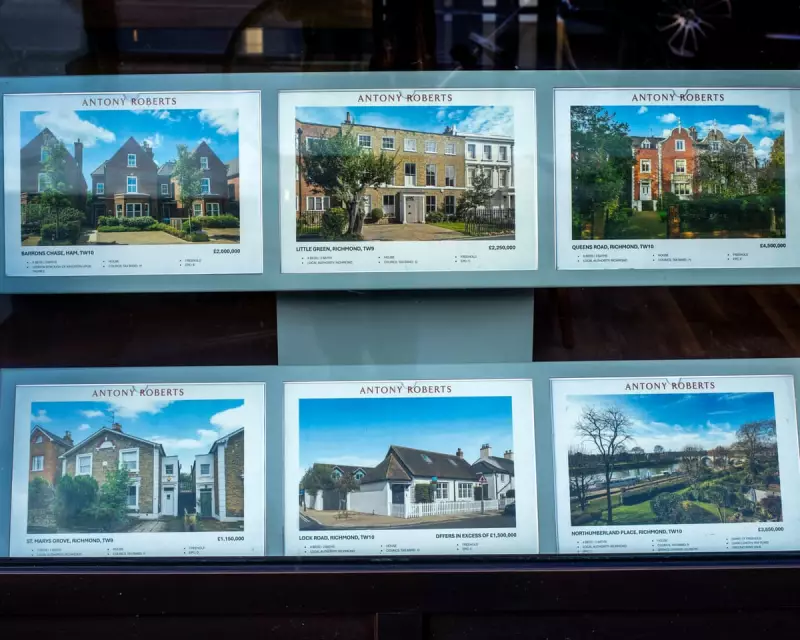
In this desirable southwest London area, where even one-bedroom flats routinely fetch £300,000, the term 'mansion' has been met with scepticism. Properties valued at £2m or more accounted for 6.4% of sales in Richmond-upon-Thames over the past five years, representing nearly one in fifteen transactions according to Land Registry data.
'It's laughable,' said local homeowner Nick Miller, whose five-bedroom 1930s family home is currently on the market for £2m. 'I don't live in a mansion. It's a 1930s house.'
Rory Clarke, a senior sales consultant at Hamptons estate agents in Richmond, echoed this sentiment: 'In Richmond, £2m to £2.5m gets you a lovely house, but not a mansion by any means.'
How the New Surcharge Works
Under the new regime announced in Wednesday's budget, owners of properties in England valued at £2m and above in 2026 will face an annual high-value council tax surcharge starting from April 2028. Property values will be determined next year by the government's Valuation Office Agency, not based on asking or sale prices.
The surcharge operates across four bands:
- £2,500 annually for properties valued between £2m-£2.5m
- Rising to £7,500 for homes worth £5m and above
The charge will increase yearly in line with CPI inflation and is projected to raise £400m in 2029-30, with revenues going to central government rather than local authorities.
Market Impact and Local Reaction
The budget announcement followed weeks of speculation that had already stalled the local housing market. Amy Reynolds, head of sales at Antony Roberts estate agents in Richmond, noted: 'The phone would be ringing off the hook if it was bad news. I'm grateful it isn't worse.'
However, Reynolds expressed concern about regional disparities, stating the surcharge means 'the north-south divide is getting sharper.' She advocated for comprehensive council tax reform instead, noting the system hasn't been comprehensively updated since 1991.
Long-term homeowners like Nick Miller and his wife Carolyn face particular challenges. After living in their detached East Sheen home for three decades, they've struggled to sell, reducing their asking price several times to the current £2m - keeping it within the surcharge bracket.
'It won't help our case - it's just more burden for buyers,' said Miller, a retired corporate financier.
Property analysts anticipate some sellers may reduce asking prices to just below £2m to avoid the surcharge, mirroring previous behaviour around stamp duty thresholds.
Lucian Cook, head of residential research at Savills, suggested the measures might 'act as slightly greater incentive for older homeowners to downsize' and could push some demand from London into commuter zones.
The Richmond Park constituency, including parts of Barnes, Kew, East Sheen and Richmond-on-Thames, is expected to be among the areas most affected by these property tax changes.