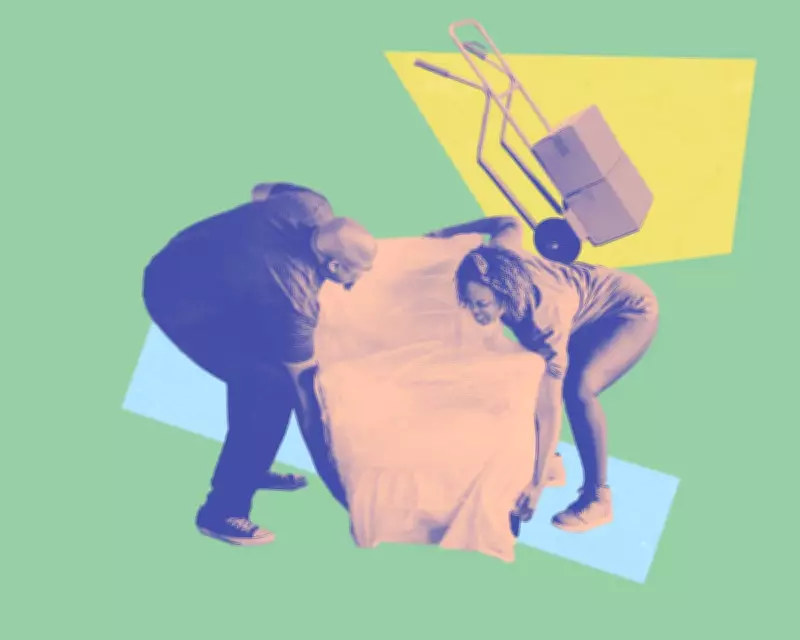
Relocating to a new home ranks among life's most daunting tasks, but with careful planning and expert guidance, it need not descend into chaos. Professional removal specialists offer their insider knowledge to help you transport your possessions from one property to another without breakages, injuries, or unnecessary stress.
Allow Ample Time for Packing and Unpacking
Manny Sahmbi, director of Slough-based removals firm Happy2Move, notes that his team can typically pack a four-bedroom house within a single day. For those undertaking the process themselves, he advises allocating significantly more time: a full week for a one-bedroom property, a fortnight for a two-bedroom home, and so forth.
Hannah Crawford, known professionally as Han With a Van and operating from north London, strongly concurs. "Book more than one day off work for the move; don't simply rely on a weekend," she recommends. "Packing, moving, and unpacking require substantial practical effort. Insufficient time leads to prolonged disarray in your new space." Crawford emphasises that decluttering and packing for relocation are distinct activities; attempting a major clear-out immediately before moving day is impractical.
Measure Furniture and Access Routes
A common pitfall during house moves involves furniture that cannot fit through doorways or navigate staircases at the new address. "Sofas frequently present this issue," Sahmbi observes. "We arrive at the property only to discover access is blocked by narrow stairs or awkward corridors." In such situations, he discourages long-term storage solutions, suggesting donation to friends or charity shops instead.
Select Appropriate Packing Materials
Crawford insists on using boxes rather than bags for transporting belongings. "Bags are not easier to carry," she states. "A large bag filled with irregularly shaped items cannot be stacked or carried efficiently." While sourcing free boxes from supermarkets may seem economical and environmentally friendly, Sahmbi warns that these are often flimsy, single-walled containers that collapse under weight.
"Invest in proper moving boxes," he advises. "They are double-walled, sturdy, and designed to protect contents during transit." For eco-conscious movers, he suggests searching Facebook Marketplace for used boxes or selecting removal companies with strong recycling policies. Crawford adds that high-quality, thick brown tape is essential for sealing boxes securely.
Pack Boxes Realistically and Label Thoroughly
Sahmbi explains the industry standard: small boxes for heavy, fragile items; larger boxes for lighter belongings like bedding. "Avoid overfilling boxes," he says. "If a box feels awkward to lift, it is too heavy." Henry Marino-Hacking of Selected Removals in Cambridge agrees, advising movers to fill any empty spaces within boxes with paper or soft items to prevent shifting.
"Label everything clearly," Marino-Hacking stresses. "Mark boxes as 'fragile' and stack them carefully. For extremely delicate contents, label them 'top box' to ensure nothing is placed on top during loading."
Handle Fragile Items with Extra Care
For valuable antiques and artworks, Sahmbi uses packing paper or bubble wrap, noting that eco-friendly alternatives are available. Fine china requires acid-free tissue paper, while the British Association of Removers recommends packing paper for wine glasses. When packing crockery, Crawford suggests lining boxes with bubble wrap and wrapping individual items in packing paper to save space.
Transport Specific Items Correctly
Plates, vinyl records, televisions, mirrors, and framed artworks should be transported upright to prevent flexing and cracking. Sahmbi also recommends wrapping mattresses and soft furnishings in plastic or paper to protect them from moisture and odours during transit.
Prepare a First-Night Essentials Kit
"Pack a suitcase for the initial nights in your new home," Crawford advises. "Include a kettle, mugs, tea, coffee, daily medication, painkillers, toilet roll, and cutlery. This prevents you from feeling overwhelmed amidst unopened boxes."
Load the Vehicle Securely and Safely
Marino-Hacking recommends placing heavier items at the bottom and lighter ones on top, filling all gaps to prevent movement. Sahmbi adds that fragile items should be loaded last and secured safely, with wooden pieces wrapped in blankets to avoid scratches. For DIY movers, Crawford suggests investing in packing blankets, ratchet straps, and bungee ropes, consulting YouTube tutorials if unsure.
Lift Items Sensibly to Avoid Injury
"Work smarter, not harder," Crawford says. "Lift with your knees, keep your back straight, and engage your core." She recommends using a sack truck for heavy items and cautions against solo efforts: "Nobody awards stickers for lifting a washing machine alone. Always assess how to move items with minimal weight bearing."
Marino-Hacking echoes this: "Lift with your legs, not your back. Don't carry too much at once, and enlist help for heavy or awkward objects." Sahmbi adds a crucial tip: "Never lift and twist simultaneously. If your feet aren't facing the direction you're placing the item, stop and reposition."
Navigate Stairs with Caution
When moving furniture on stairs, Marino-Hacking advises wrapping items in blankets, proceeding slowly, and potentially removing legs from sofas or tables. "Always have a spotter for tight corners," he says. Crawford recommends positioning the strongest person at the bottom, regardless of direction, and taking breaks between steps for particularly heavy loads. "Rushing leads to accidents," she warns.
Additional Practical Considerations
For flat-pack furniture, Marino-Hacking suggests keeping the original manual, labelling all parts, and storing fittings in a small, secure bag. Crawford advises wearing gardening gloves for better grip and sturdy boots—never sandals—during the move.
Plants should travel upright in open boxes, watered lightly beforehand; emptying soil from heavy pots reduces weight. Pets ought to be kept in a quiet room until departure, then transported in their carrier with routines maintained as normally as possible.
Common oversights include forgetting to defrost the freezer or redirect mail. Marino-Hacking urges movers to check every cupboard and the loft before locking up. Crawford emphasises the importance of sustenance: "Have a substantial breakfast, pause for lunch, and carry snacks and drinks. Fatigue and hunger hinder productivity."
Finally, Crawford highlights the emotional aspect of moving. "New homes often feel like empty, unfamiliar shells initially," she notes. "Many experience desolation on the first night. Pack a box of sentimental items or favourite pictures, mark it with coloured tape, and unpack it first to create a sense of belonging."