London Assembly Demands More Local Character in New Housing Designs
The London Assembly Planning and Regeneration Committee has issued a stark warning to Mayor Sadiq Khan about the homogenization of London's new housing developments. In a formal letter released on Monday, March 2, the cross-party committee expressed deep concern that too many newbuilds lack distinctive character and appear identical across different neighborhoods, leading to widespread resident dissatisfaction.
Public Sentiment Versus Current Development
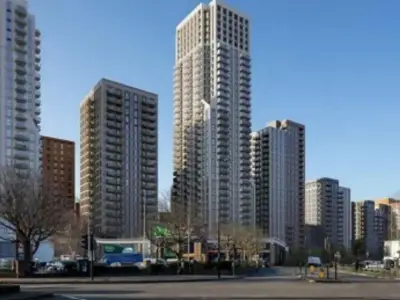
Recent public polling and visual preference surveys reveal that up to 80 percent of Londoners prefer low or medium-rise buildings with coherent designs that reflect local architectural character. This stands in sharp contrast to the current trend of random arrays of high-rise structures that many find impersonal and unappealing. The committee emphasized that this disconnect between public preference and developer proposals is creating significant opposition to new housing projects.
Committee Chair James Small-Edwards stated: "Londoners are not anti-development, they just want to be engaged early and see homes built that they find visually appealing. If we are to deliver 880,000 new homes over the next decade, we must close the gap between what Londoners want and what is getting built."
The Risk to Housing Delivery Targets
The letter warns that failing to align new development with public sentiment risks fueling opposition, increasing delays, and ultimately undermining the Mayor's ambitious target of delivering 880,000 homes over the next ten years. Assembly Members heard testimony during their investigation that Londoners generally prefer traditional buildings in form, style, and materials, rather than what they perceive as "statement" or "impersonal" architecture.
The committee points to evidence from experts like Robert Kwolek of Create Streets, who testified that architectural community preferences often diverge significantly from public taste. This misalignment has created what the committee describes as a "disconnect" between resident desires and developer proposals, despite City Hall's stated commitment five years ago to ensure "more Londoners have their say in how their city is changing."
Proposed Solutions and Successful Examples
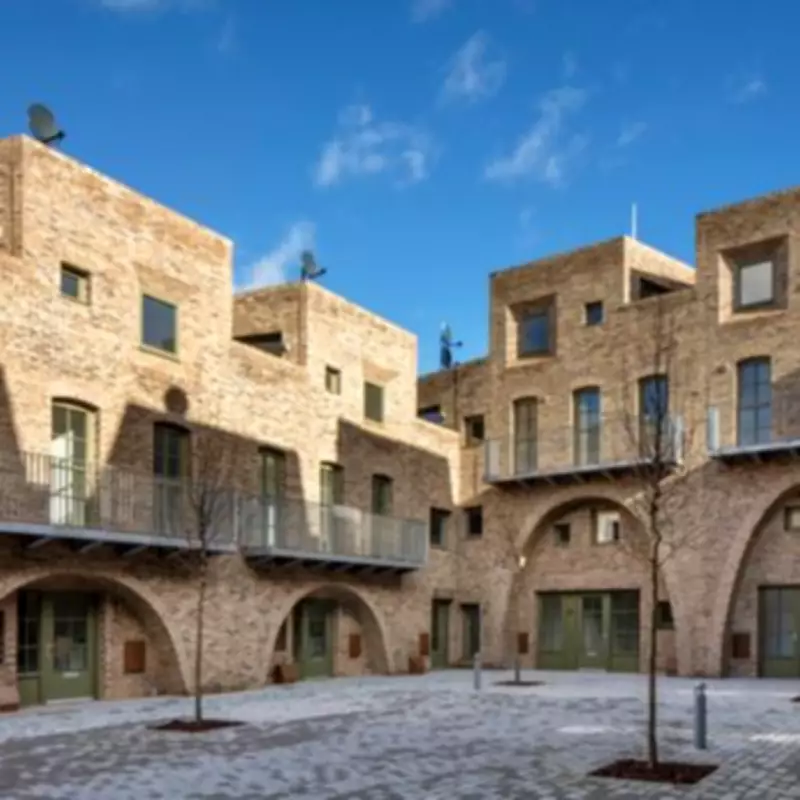
The committee advocates for modern developments that incorporate treasured traditional features, including quality materials, ornamental details, and varied patterns. They highlight two successful examples: Appleby Blue Almshouse in Bermondsey by Witherford Watson Mann, and McGrath Road in Forest Gate by Peter Barber Architects. These projects demonstrate how contemporary housing can incorporate eye-catching designs that resonate with local communities.
According to the committee, the forthcoming London Plan - expected to be published this summer and adopted next year - presents a "timely opportunity to prioritise the principles of evidence-based design." They urge the Mayor to use this planning framework to ensure buildings are designed with community-agreed principles in mind.
Industry Challenges and Mayoral Response
Architects have previously explained that repetitive designs partly result from developers knowing what is most likely to gain approval from local council planning committees. Construction costs also play a significant role, with developers often reluctant to propose designs that might introduce additional risk or expense.
A spokesperson for the Mayor of London responded: "The Mayor is committed to ensuring Londoners shape the development of their city. His Good Growth by Design programme champions the involvement of communities in decision-making. As the next London Plan is developed, we will continue working closely with partners, stakeholders and boroughs to ensure that all voices are heard, as we build a better London for everyone."
The committee concludes that embedding popular design principles and meaningful early community engagement will be essential to maintaining public confidence while delivering the substantial number of homes London desperately needs.