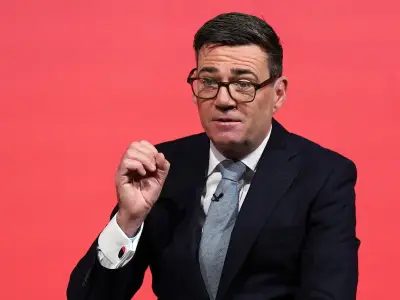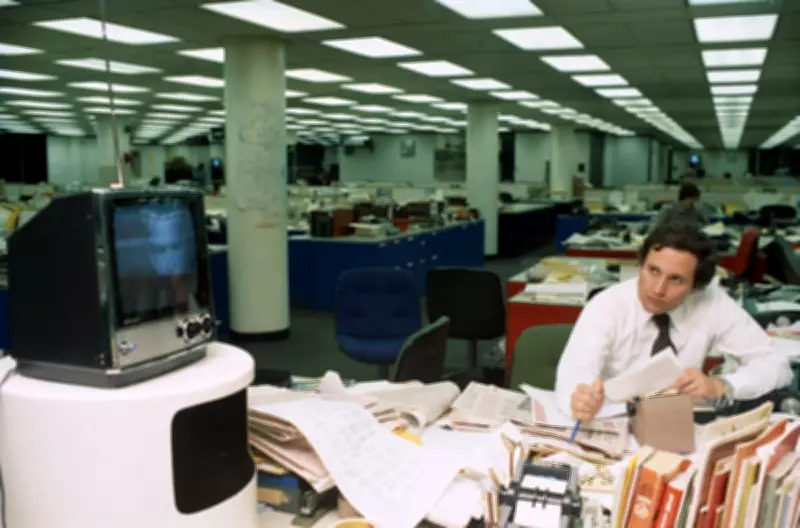
The veteran Washington Post journalist Bob Woodward has publicly declared he is "crushed" by the newspaper's devastating mass layoffs, which have seen hundreds of colleagues lose their jobs. In his first remarks on the cuts, shared via social media platform X, Woodward emphasised that both his former colleagues and the Post's readership "deserve more" than this outcome.
A Devastating Blow to Journalism
"I am crushed that so many of my beloved colleagues have lost their jobs and our readers have been given less news and sound analysis," Woodward stated. "They deserve more." His poignant comments come directly after the storied publication implemented sweeping cuts, laying off approximately a third of its staff—more than 300 journalists—in a single day.
The restructuring has led to the complete closure of the paper's sports department and the dismantling of teams dedicated to covering local news, style, and international affairs. Additionally, the audio and video departments, already weakened by previous reductions, have been eliminated, alongside significant cuts to commercial teams.
Historical Context and Current Crisis
Woodward, who famously exposed the Watergate scandal with fellow reporter Carl Bernstein—leading to President Richard Nixon's resignation in 1974 and earning the Post a Pulitzer Prize—has been a cornerstone of the newspaper for decades. He holds an honorific associate editor title and has reported on every presidency since Nixon.
Despite the current turmoil, Woodward expressed some optimism about the Post's editorial direction under executive editor Matt Murray, noting the publication has produced "many superb and excellent groundbreaking stories" and asserting, "There will be more." He pledged, "I will do everything in my power to help make sure the Washington Post thrives and survives."
Broader Implications for the Media Landscape
The layoffs have sparked grave concerns about the newspaper's future. Former editor Marty Baron told the Guardian, "The aspirations of this news organization are diminished. I think that'll translate into fewer subscribers. And I hope it's not a death spiral, but I worry that it might be."
This crisis follows a tumultuous period for the Post, which lost hundreds of thousands of subscribers in late 2024 after owner Jeff Bezos abruptly cancelled its planned endorsement of Kamala Harris for president just days before the election won by Donald Trump. Bezos also shifted the paper's opinion pages to focus more narrowly on supporting "personal liberties and free markets."
Woodward's Stance on Ownership and Direction
At the time, Woodward and Bernstein jointly criticised Bezos's decision to abandon the Harris endorsement and end the Post's tradition of endorsing presidential candidates, calling it "surprising and disappointing, especially this late in the electoral process." They argued the move "ignores the Washington Post's own overwhelming reportorial evidence on the threat Donald Trump poses to democracy."
Reflecting on Bezos's 2013 acquisition of the Post, Woodward recalled asking the billionaire why he bought the newspaper. According to the New Yorker, Bezos responded, "I finally concluded that I could provide runway—financial runway—because I don't think you can keep shrinking the business. You can be profitable and shrinking. And that's a survival strategy, but it ultimately leads to irrelevance, at best. And, at worst, it leads to extinction."
In a striking contrast, just one day after announcing the Post's drastic cuts, Amazon revealed plans to invest $200 billion in artificial intelligence and robotics over the coming year, highlighting the divergent priorities within Bezos's empire.
Woodward remains committed to the Post's journalistic mission, telling the New Yorker on Wednesday that the newspaper "lives and is doing an extraordinary reporting job on the political crisis that is Donald Trump." However, the mass layoffs represent a profound challenge to its legacy and capacity to serve the public interest.