Green Party MP Hannah Spencer has become the latest Westminster newcomer to ask a sensible question: why are so many people getting drunk in the Houses of Parliament? In an interview with PoliticsJoe that was widely shared over the weekend, Spencer said she was 'really uneasy' about the amount of drinking she has witnessed from some of her colleagues on the estate.
'I can't imagine if a cleaner did that,' she said. 'Or someone in a bank had a few drinks and then went back to work, smelling of alcohol.' Particularly troubling, in her mind, was the booze consumption that some MPs engaged in before returning to the chamber to vote on major issues facing the country.
The Historic Presence of Alcohol in Parliament
Famously, there are multiple bars in the Palace of Westminster where drinks are subsidised and conveniently located. As the nights draw out and weather grows warmer, Parliament's riverside terrace becomes crowded with legislators and staff keen to enjoy a glass of wine or cold beer in a spectacular setting. On frequent days when work stretches late into the evening, MPs might knock back the dregs and head back inside when the division bell rings.

Spencer rightly points out that this is not normal in other workplaces across the country. So how is this considered acceptable? How did Parliament end up with pubs? The Palace of Westminster is a unique workplace: enormous, busy, and very old. Booze has been served on the parliamentary estate since at least 1773, when John Bellamy, deputy housekeeper to the House of Commons, set up a refreshments stall called Bellamy's. As the building transformed over subsequent centuries, most notably after the 1834 fire, new options opened up.
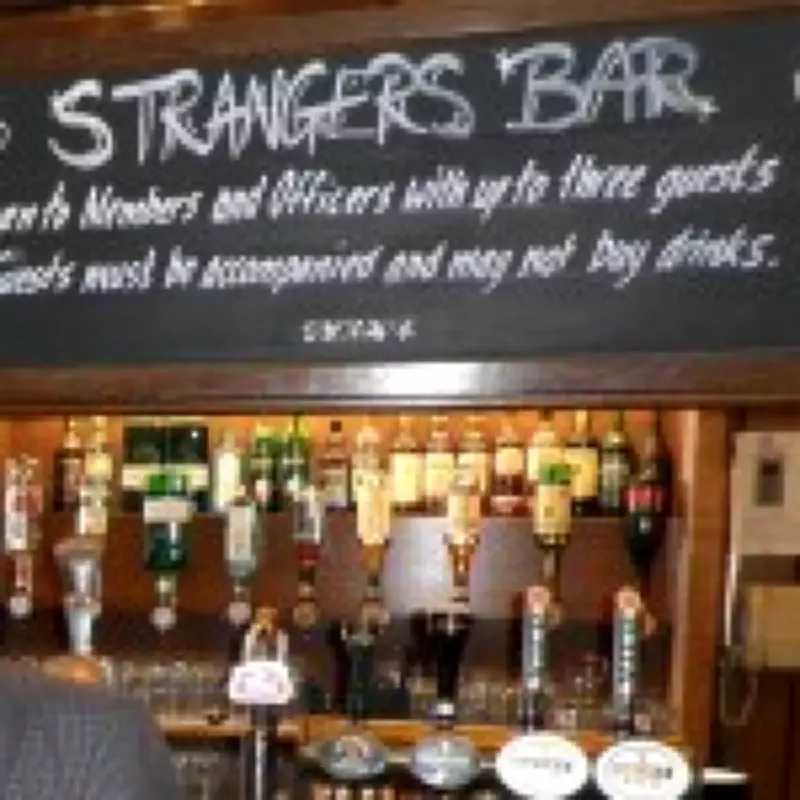
Today, the most famous pub is Strangers' Bar, with outdoor tables on the terrace overlooking the Thames. It is open to MPs, staff, guests, and journalists. Tucked away inside is the Woolpack, known until 2018 as the Sports and Social Club Bar, with closer links to the House of Lords. Elsewhere, there are more exclusive venues such as the Pugin Room, named after the architect who designed the iconic new building after the fire.
Arguments For and Against the Pubs
When asked about the pubs and Spencer's comments, MPs gave a range of responses. One veteran Tory said with arguably misplaced pride: 'If she thinks there's a lot of drinking now, she should have seen what it was like 20 years ago!' Reform leader Nigel Farage branded Spencer a 'puritan' who 'wants to ban everything'. But others noted that Strangers' Bar is an ideal setting for 'valuable political chats' or to 'just unwind after a busy day'. This may be the strongest argument for the boozers: the word 'Parliament' comes from Old French 'to speak', and where better to thrash out issues than over a pint?
However, Spencer is far from the first to question whether things have gone too far. Former SNP MP Mhairi Black cited the drinking culture as one of her biggest problems with Westminster, saying: 'Everything almost encourages it.' It may not be a coincidence that two of the top critics are young women.
Concerns Over Safety and Misconduct
Last year, Strangers' Bar was shut down for a month after a parliamentary researcher said her drink had been spiked. This was the latest in a long list of allegations concerning behaviour at the bar, including groping and sexual misconduct. In November 2024, it was reported that some MPs were encouraging Parliament's modernisation committee to curb drinking during working hours. Still, the long history of UK parliamentarians getting drunk at work is not yet over.